Engineered for Commercial, Industrial, and Utility Microgrids. Directly Sourced from Our Certified Smart Production Facility.
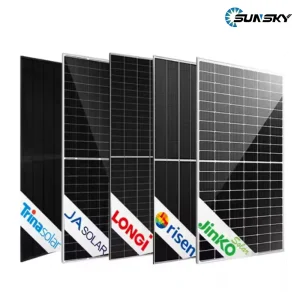
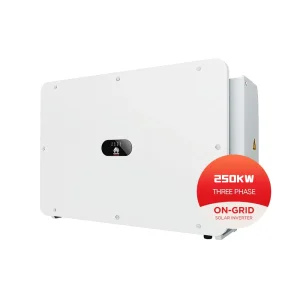
The global energy matrix is undergoing a rapid, structural transformation. Centralized power generation models are increasingly vulnerable to infrastructure aging, geopolitical instability, and escalating transmission losses. As a result, Distributed Energy Resources (DERs) have emerged as the foundational pillar for the next-generation resilient grid. By placing generation, storage, and grid-management systems directly at the point of consumption, commercial, industrial, and utility entities are dramatically reducing their Levelized Cost of Energy (LCOE).
From Building Integrated Photovoltaics (BIPV) to mega-watt scale tracking microgrids, DER systems mitigate localized power quality disruptions, facilitate peak shaving, and optimize grid injection tariffs. Wholesale procurement from verified Tier-1 Chinese manufacturers allows global installers, developers, and EPC contractors to acquire high-compliance equipment that integrates seamlessly with complex regional grid codes (including EN 50549, IEEE 1547, and UL 1741).
Global DER deployment is projected to grow at a CAGR of 14.2% through 2030, driven by the alignment of corporate ESG mandates, aggressive carbon neutrality goals, and the financial necessity for energy independence.
Deciphering technical compliance, asset longevity, and system performance benchmarks across continents.
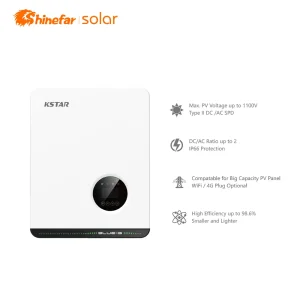
Navigating diverse regulatory frameworks like CE, TUV, UL, CSA, MCS, and CEC (California Energy Commission) is non-negotiable. Utilities require stringent anti-islanding protection, low-voltage ride-through (LVRT), and high-precision frequency response capabilities embedded in string and hybrid inverters to prevent system-wide grid collapses.
From coastal salt-mist corrosion to high-altitude UV degradation and heavy snow loading, modern DER hardware must carry IEC 61701 (Salt Mist), IEC 62716 (Ammonia), and severe wind-load test ratings (up to 2400Pa wind load / 5400Pa snow load) to secure project bankability and insurance coverage over 25+ years.
Modern C&I installations demand advanced smart energy interfaces. Interoperability using Modbus RTU/TCP, SunSpec protocols, and CAN communication allows physical assets to seamlessly link with Energy Management Systems (EMS) and local SCADA control systems, facilitating Virtual Power Plant (VPP) aggregation.
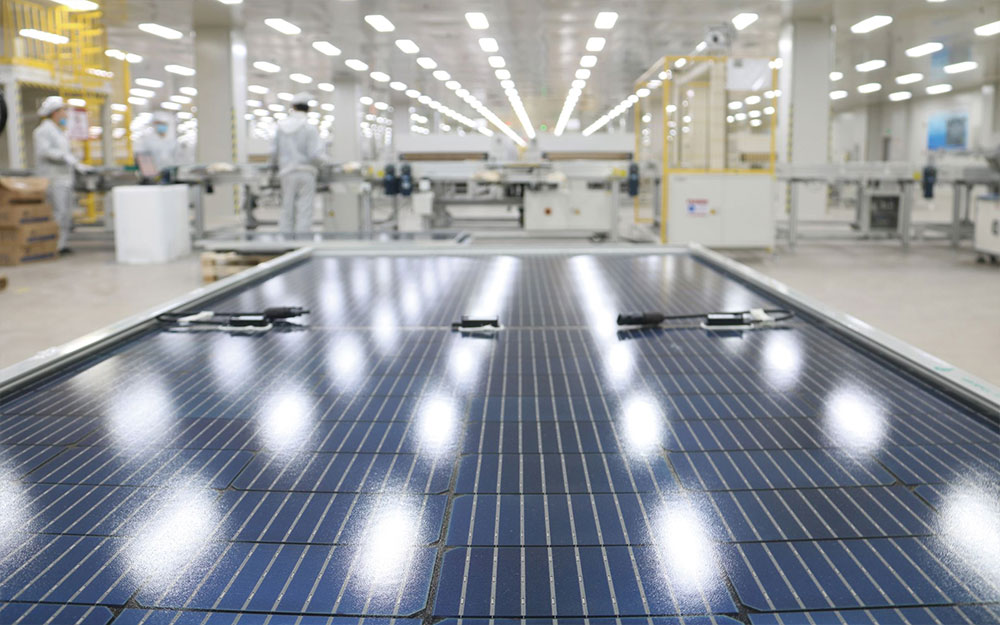
China's photovoltaic and energy storage manufacturing sector stands at the absolute pinnacle of global technology. The transition from manual labor to complete Industry 4.0 automation ensures that raw material tracking, silicon crystallization, wafer cutting, and module assembly occur within closed-loop ecosystems. This high level of vertical integration guarantees exceptional product uniformity, dramatically reducing micro-cracks and latent cell defects during processing.
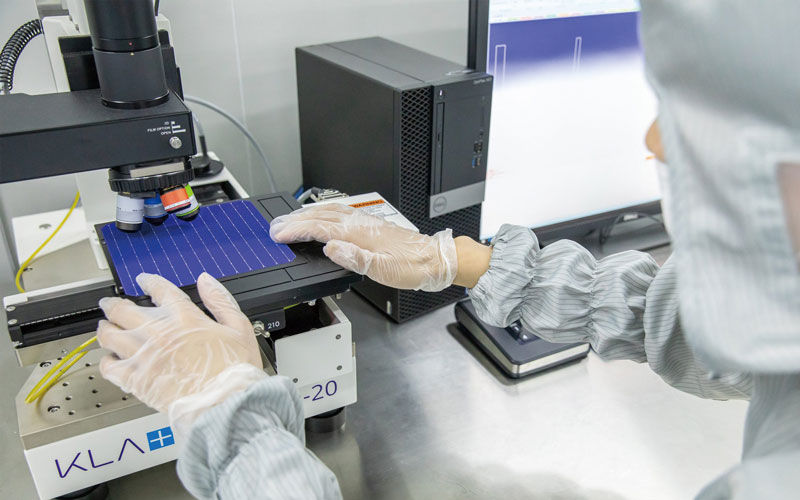
At our automated production centers, we utilize advanced EL (Electroluminescence) testing systems integrated with real-time AI computer vision. This allows us to inspect 100% of our production line output twice during processing. Furthermore, our integrated logistics systems and raw material sourcing protocols shield global buyers from sudden price shocks or component bottlenecks, offering an unbroken, predictable pipeline of solar panels, tracking systems, and core inverter architectures.
Through systematic smart manufacturing, we optimize production overhead while ensuring strict adherence to global safety and ecological metrics. This results in highly reliable energy equipment that minimizes both CAPEX and long-term OPEX for the system operator.
Pioneering clean energy solutions with global capacity, relentless R&D, and unparalleled quality standards since 2011.
As a leading solar products manufacturer, Anhui Ran Solar Co., Ltd. specializes in the research, development, production, and global sales of high-quality solar PV products. Since our establishment in 2011, Anhui Ran Solar has achieved remarkable milestones, surpassing many competitors in production capacity, innovative designs, and technological advancements. We firmly believe that innovation drives progress, and we continually pursue new technologies and higher efficiencies to empower a sustainable energy future.
Currently, Anhui Ran Solar boasts a global production capacity of 7.5 GW, serving customers across more than 80 countries with premium products and professional services. By the end of 2023, over 15 GW of our solar modules have been deployed worldwide, powering residential, commercial, and utility-scale projects.
Innovation is at the core of Anhui Ran Solar’s strategy. We provide a full spectrum of advanced renewable energy technologies to meet the unique needs of every customer, whether utilities, commercial enterprises, or industrial clients. Our dedicated R&D team continuously explores next-generation solar solutions, including high-efficiency modules, bifacial technologies, and smart energy solutions. We invest heavily in state-of-the-art laboratory equipment and recruit top-tier engineering talent, ensuring our products remain at the cutting edge of the industry.
At Anhui Ran Solar, our modularized, fully automated production lines enable rapid delivery, optimized costs, and consistent quality. We have segmented the production process into closely coordinated, automated sectors to maximize efficiency and minimize human error. Over 40 patented technologies have been implemented to optimize production processes, covering every stage from raw material inspection to final packaging. Each step is monitored and recorded in real time, ensuring traceability, precision, and reliability.
Stringent quality control is the cornerstone of our operations. Anhui Ran Solar invests continuously in advanced testing equipment and professional employee training to maintain these high standards. Our products have achieved certifications for Quality Management System (ISO 9001:2015), Environmental Management System (ISO 14001:2015), and Occupational Health and Safety Management System (ISO 45001:2018) from both DNV GL and GZCC, reflecting our commitment to excellence, sustainability, and workplace safety.
Adapting clean tech systems to diverse geological, structural, and electrical landscapes.
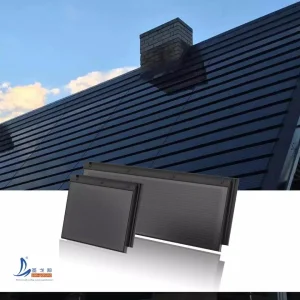
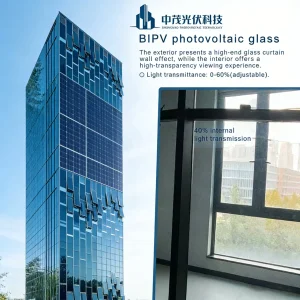
Modern commercial buildings in urban environments present massive vertical surface areas underutilized for power generation. Traditional PV systems are structurally unsuitable for vertical surfaces due to weight limits and wind shears. Our CdTe (Cadmium Telluride) BIPV Solar Glass Curtain Walls resolve this issue by integrating thermal insulation, soundproofing, and clean energy generation directly into the building envelope. This technology dramatically lowers corporate HVAC costs while converting the facade into a continuous generator of peak-shaving power.
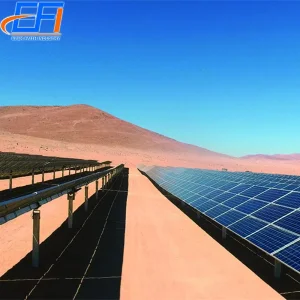
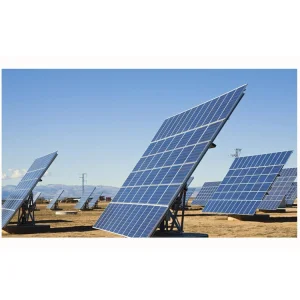
Flat-roof or fixed-tilt solar installations fail to extract maximum daily solar yield, losing valuable generation hours during mornings and late afternoons. For high-capacity regional microgrids, our dual-axis and single-axis automatic solar tracking systems dynamically track the sun's trajectory. Built with real-time astronomical algorithms and robust wind-load protection mechanisms, these systems increase raw generation output by up to 25%–35% compared to static mounting systems, even in highly challenging geographical terrains.
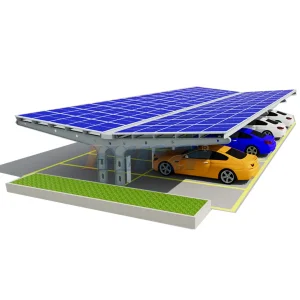
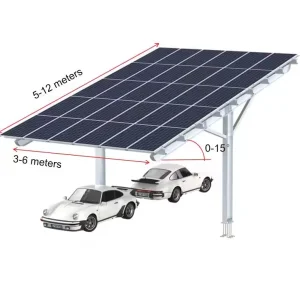
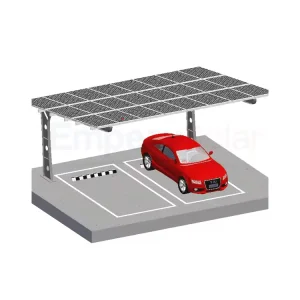
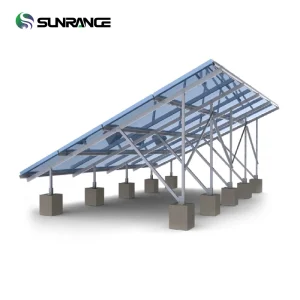
Logistics depots, retail parking structures, and large corporate headquarters present optimal deployment areas for clean energy infrastructure. Using high-load, hot-dip galvanized or anodized aluminum solar carports, enterprises can transform vast parking spaces into reliable power generators. By designing these structures with modular, fast-assembly framing, projects achieve structural safety against severe wind loadings while creating a visual statement of corporate sustainability.
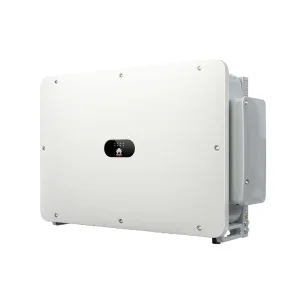
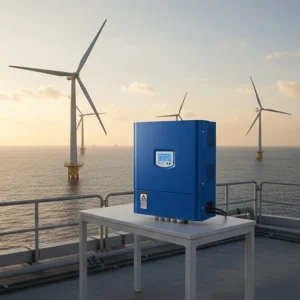
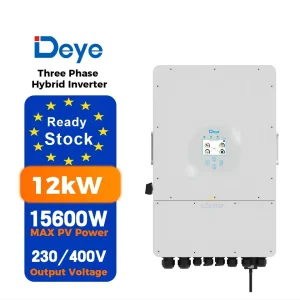
For remote industrial complexes, mining fields, or island grids, relying solely on solar energy introduces generation gaps during nighttime or inclement weather. Incorporating a multi-energy strategy using high-efficiency MPPT wind turbine controllers coupled with high-capacity hybrid string inverters creates a redundant, secure, and reliable energy loop. Excess power generated during peak times is safely stored in industrial battery packs, guaranteeing continuous 24/7 power availability.
Technical and logistics questions answered by our engineering and export compliance specialists.
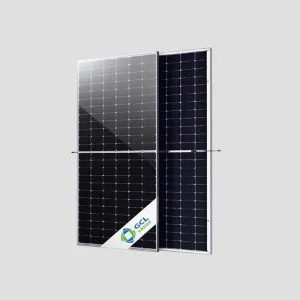
N-Type cell architectures (like TOPCon and HJT) exhibit zero Light-Induced Degradation (LID) and have a significantly lower temperature coefficient (-0.30%/°C) compared to traditional P-type cells. This translates to higher power generation in high-temperature environments. Additionally, N-Type modules offer a higher bifaciality factor (up to 80-85%), generating up to 10-25% more power from the rear side depending on ground albedo.
Cadmium Telluride (CdTe) thin-film glass is optimized for low-light performance, shadow tolerance, and high temperatures. Unlike crystalline silicon panels, CdTe exhibits a superior spectral response in humid or cloudy environments and can generate energy even when installed at 90-degree vertical angles. It also replaces standard building glass, providing thermal insulation and structure-integrated power generation.
Our automatic single and dual-axis solar trackers are equipped with digital anemometers and structural smart stow algorithms. When wind speeds exceed predefined safety thresholds (typically 18-22 m/s), the controller overrides the solar tracking mode to lock the solar tables at a horizontal, low-profile angle (usually 0° or 45° depending on wind direction) to minimize mechanical wind load and structural stress.
Our production infrastructure and facility operations conform to the highest global standards. We maintain certified Quality Management System (ISO 9001:2015), Environmental Management System (ISO 14001:2015), and Occupational Health and Safety Management System (ISO 45001:2018) verifications. All major certification pathways are thoroughly audited by accredited bodies including DNV GL and GZCC.
Maximize energy yields and build resilient solar structures with our industrial tracking and mounting technologies.
 Ran Solar