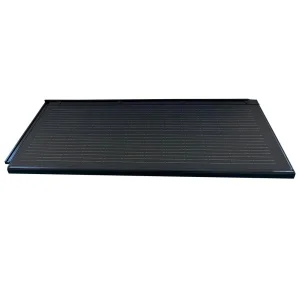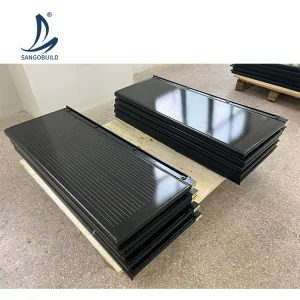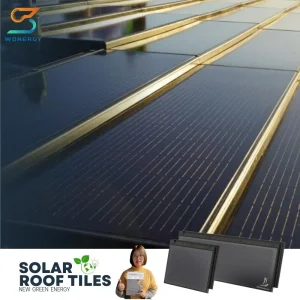
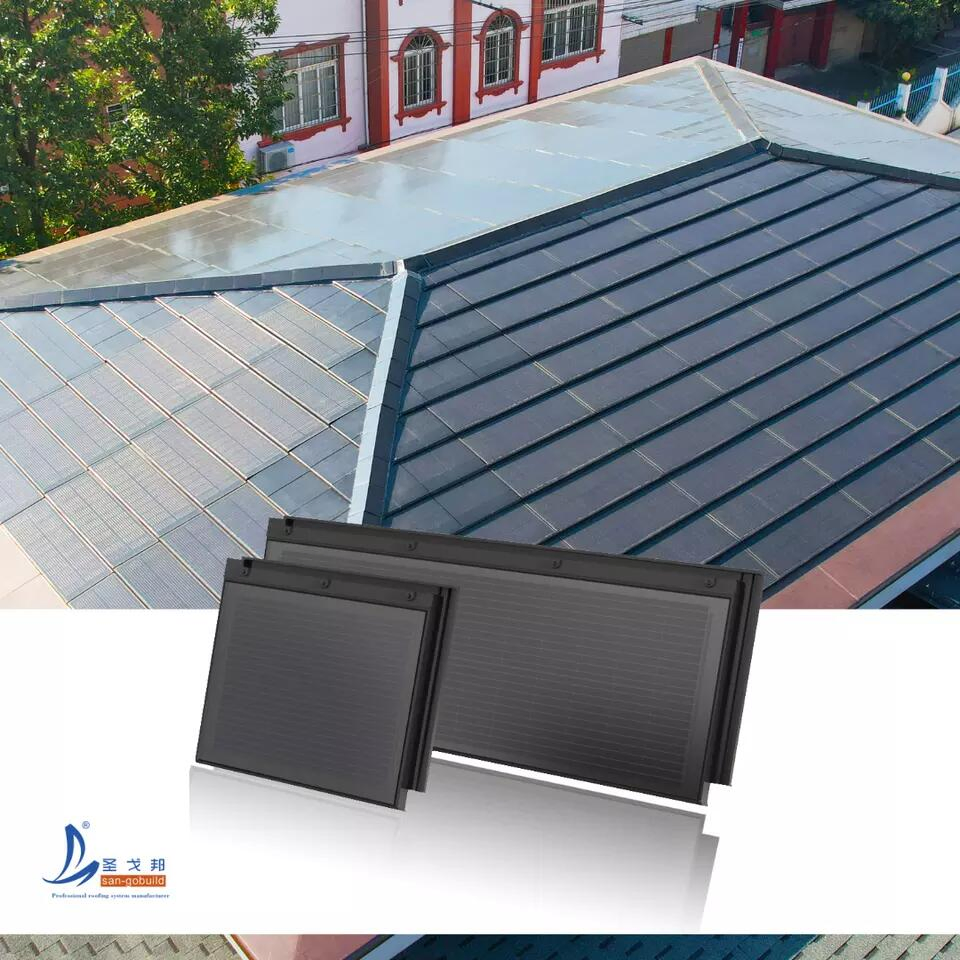
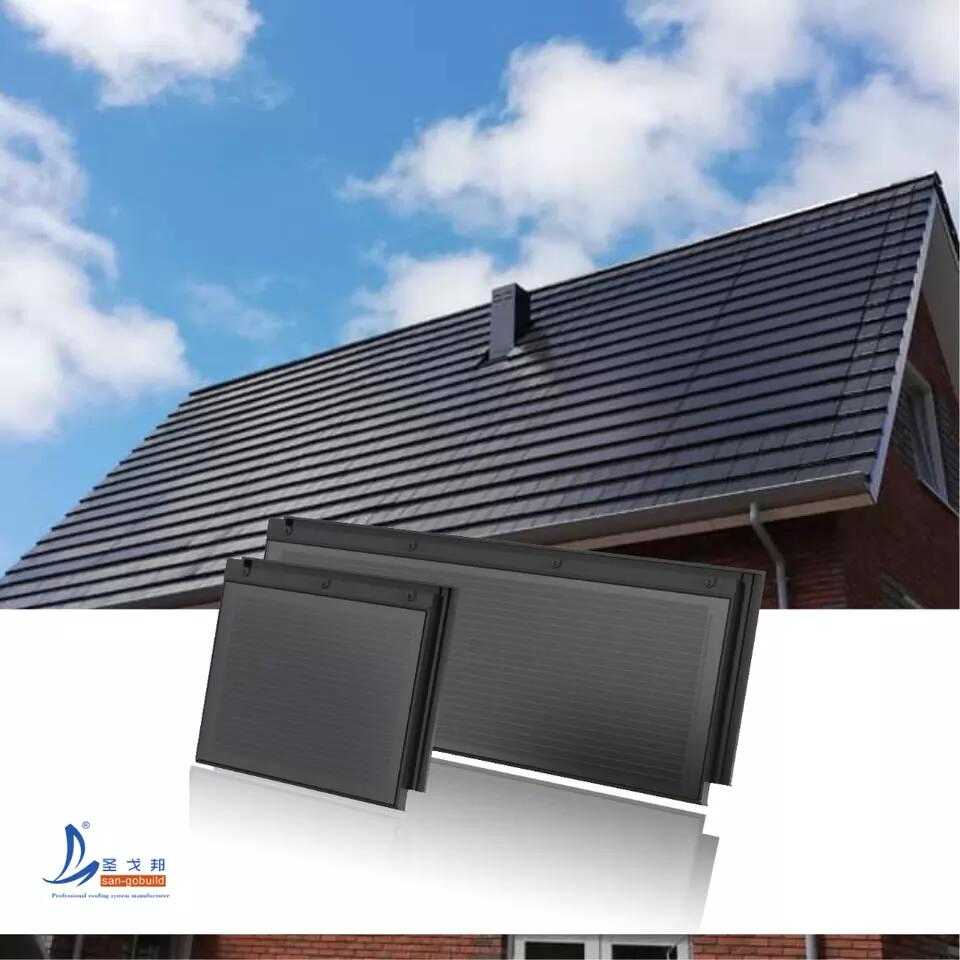
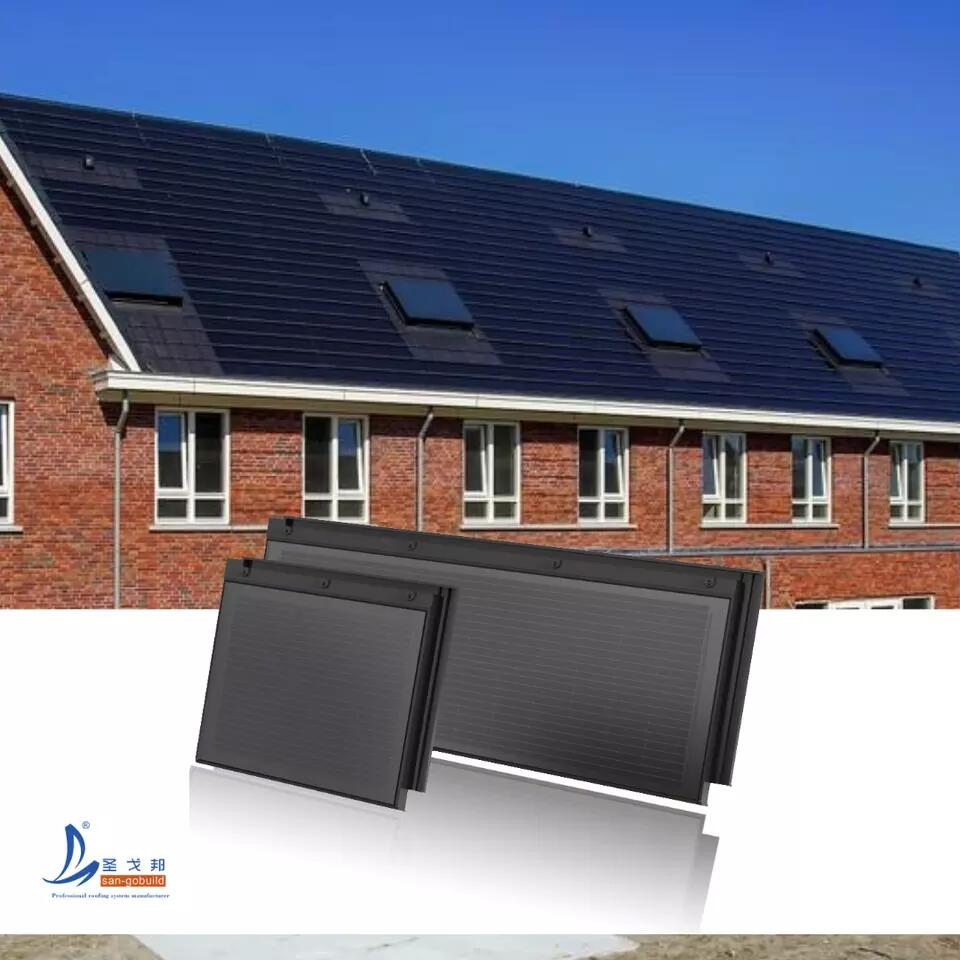
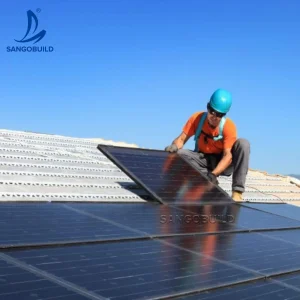
Australia Cheaper Solar Tile BIPV Integrated Solar Panel Roof Tiles

Still deciding? Get samples of $ !
Order Sample

Product Description

Basic Information
Model NO.
Solar Tile
Certification
ISO, CE, Msc, IEC
Application
Home, Industrial, Commercial
Specification
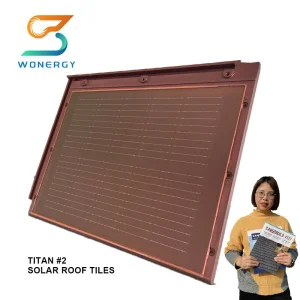
1260*480mm/630*480mm, Monocrystalline Silicon
Weight
16.5kg/9kg
Panel Efficiency
18.4%
Power Output
87W/35W
HS Code
85414300
Product Description
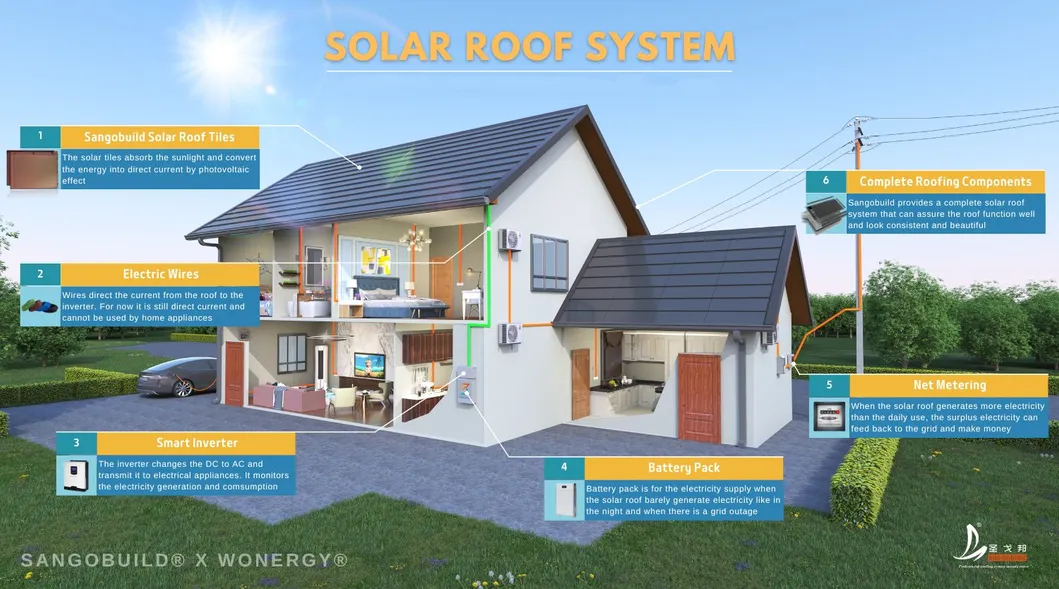
Solar Tile BIPV Structures

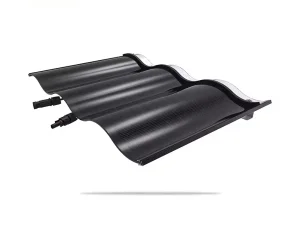
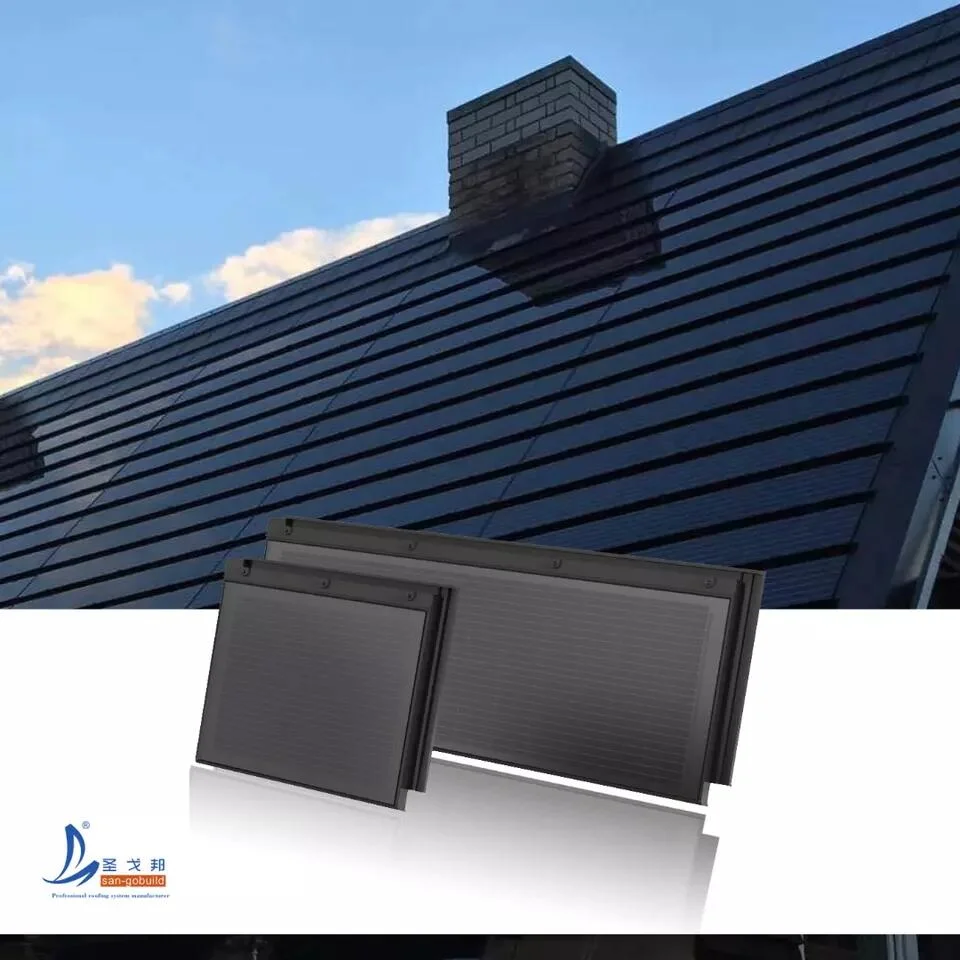
Solar Roof Tiles (BIPV) Structures: Glass / glass solar panels are the most commonly used technology in energy generating buildings. This technology so far has the highest durability rate against harsh environmental conditions and longer lifespan.
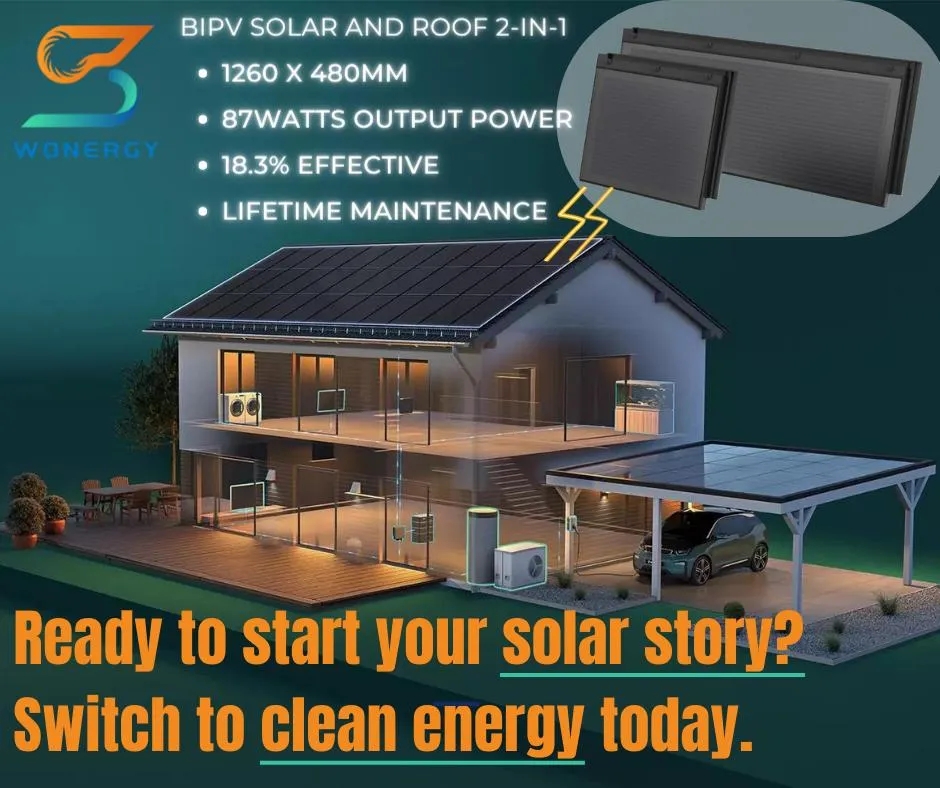
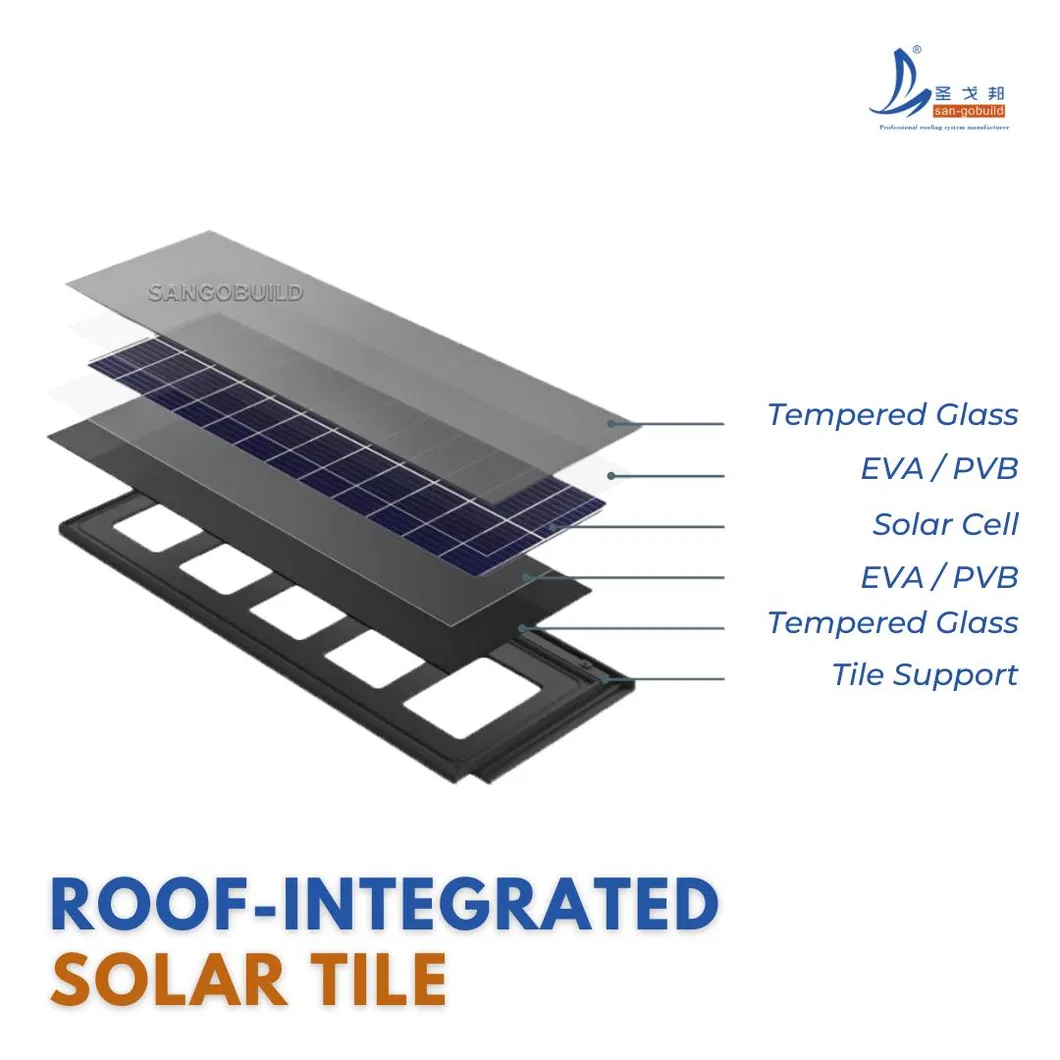
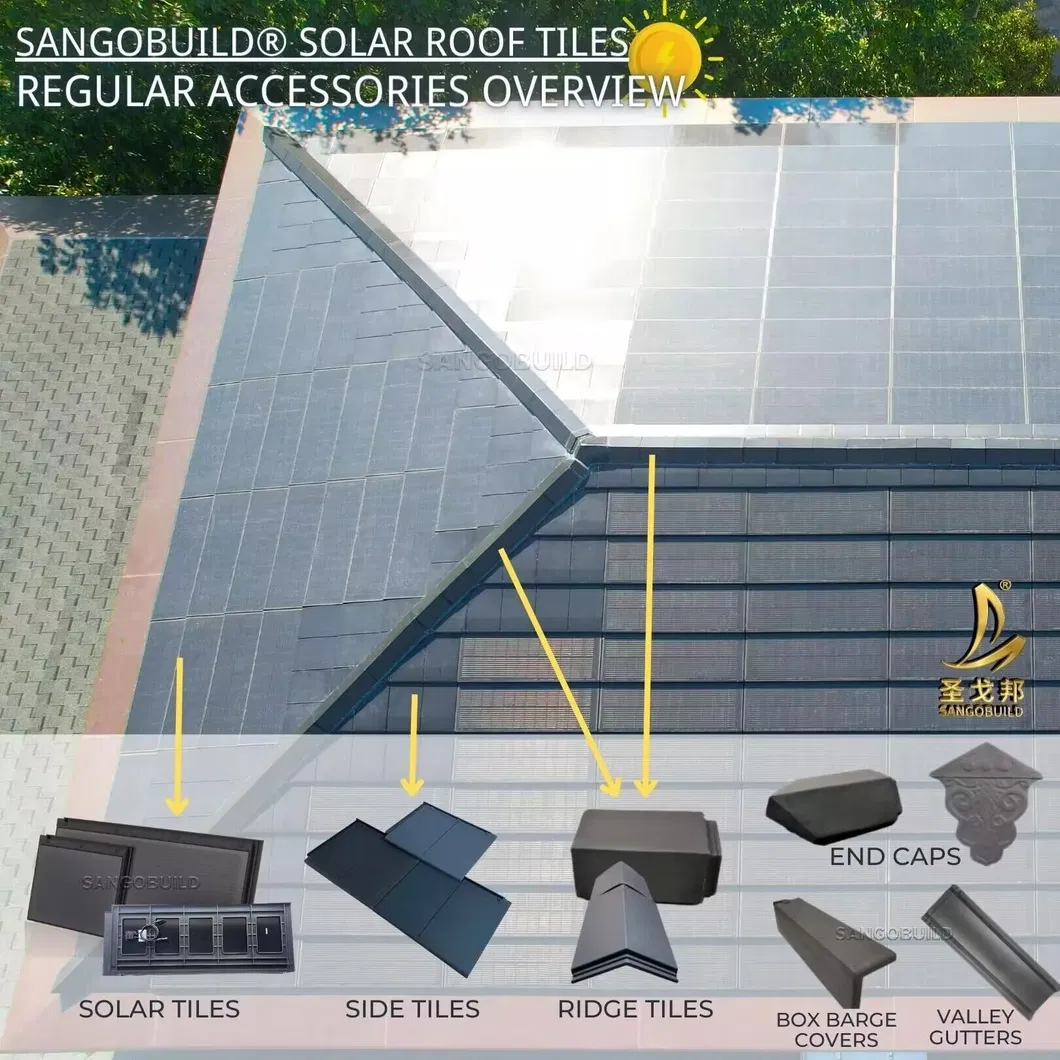
Solar Tile Structure
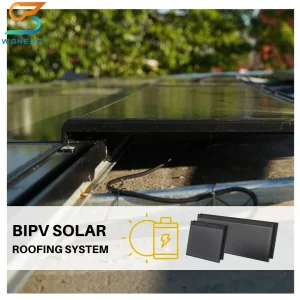
BIPV Structure
MODEL S-1 (Small Size) S-2
SIZE630*480mm1260*480mm
Weight9kg16.5kg
GLASSLow-iron tempered glass/3.2mmLow-iron tempered glass/3.2mm
Battery Size182*91mm (2*5)182*91mm (5*12)
Junction Box≥IP67≥IP67
Cable Type450mm / 4mm²900mm / 4mm²
Lifespan>30 years>30 years
Power output35W87W
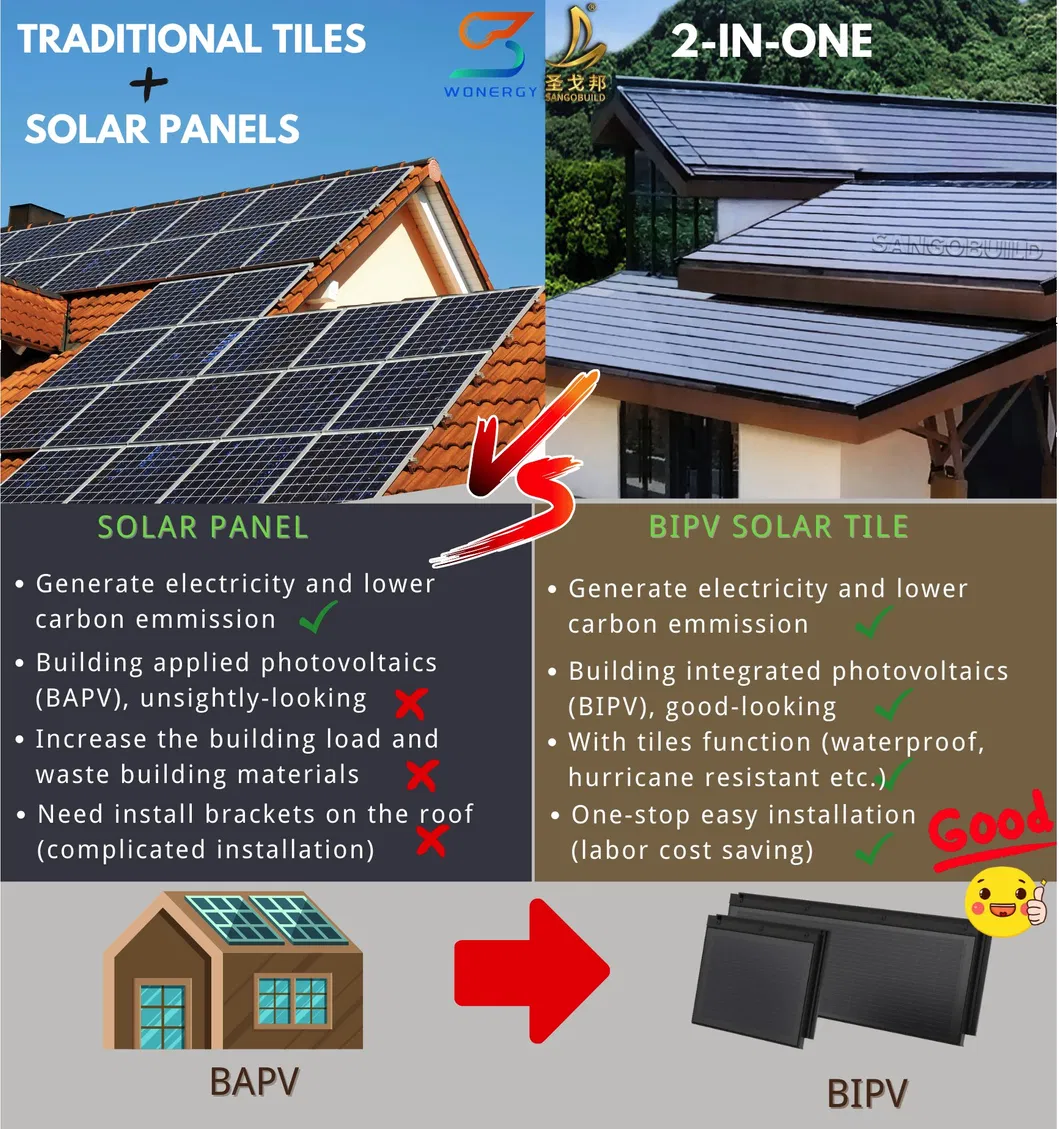
BIPV VS BAPV Comparison
Feature BIPV (Integrated) BAPV (Applied)
InstallationMaterials incorporating solar modulesFitting modules to existing surfaces
FunctionPart of the integral building skinPower generation without structural change
AppearanceBeautiful, simple and elegantMessy roof, poor integrity
Lifespan60+ Years20 Years
WaterproofPremium waterproofing resistanceHigher leakage risk
Comparison Diagram
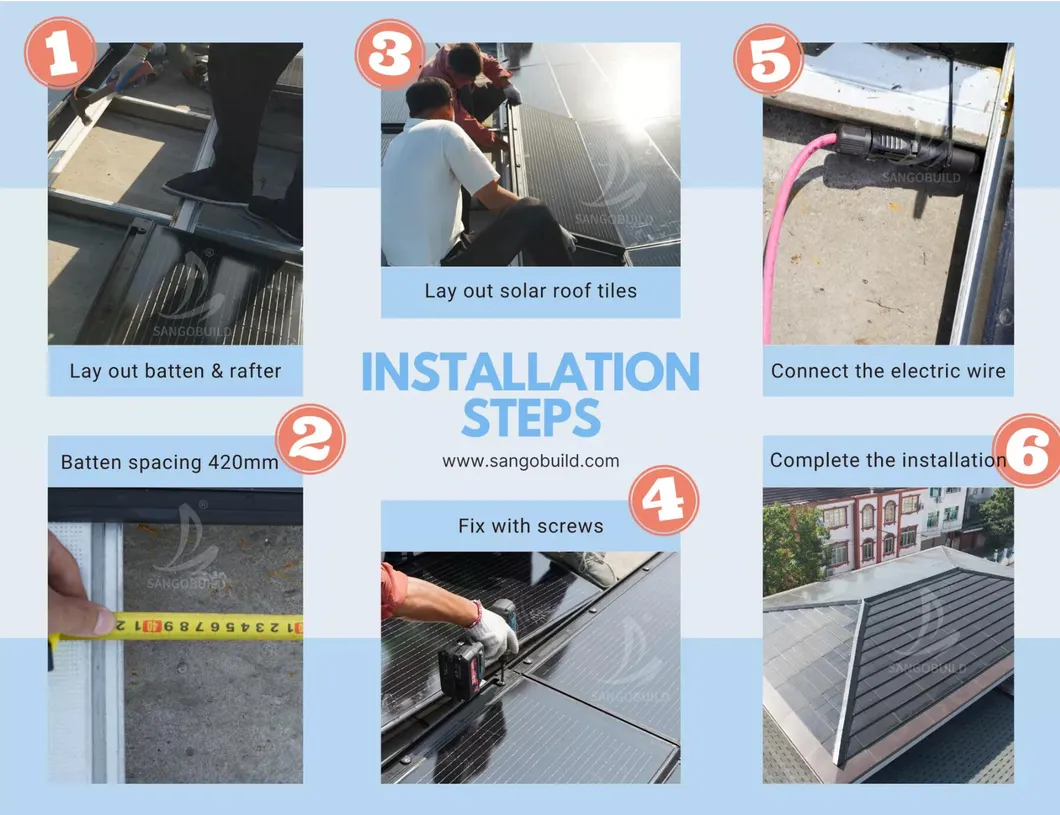
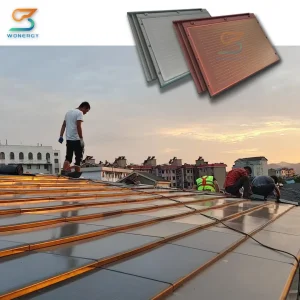
Installation Guide
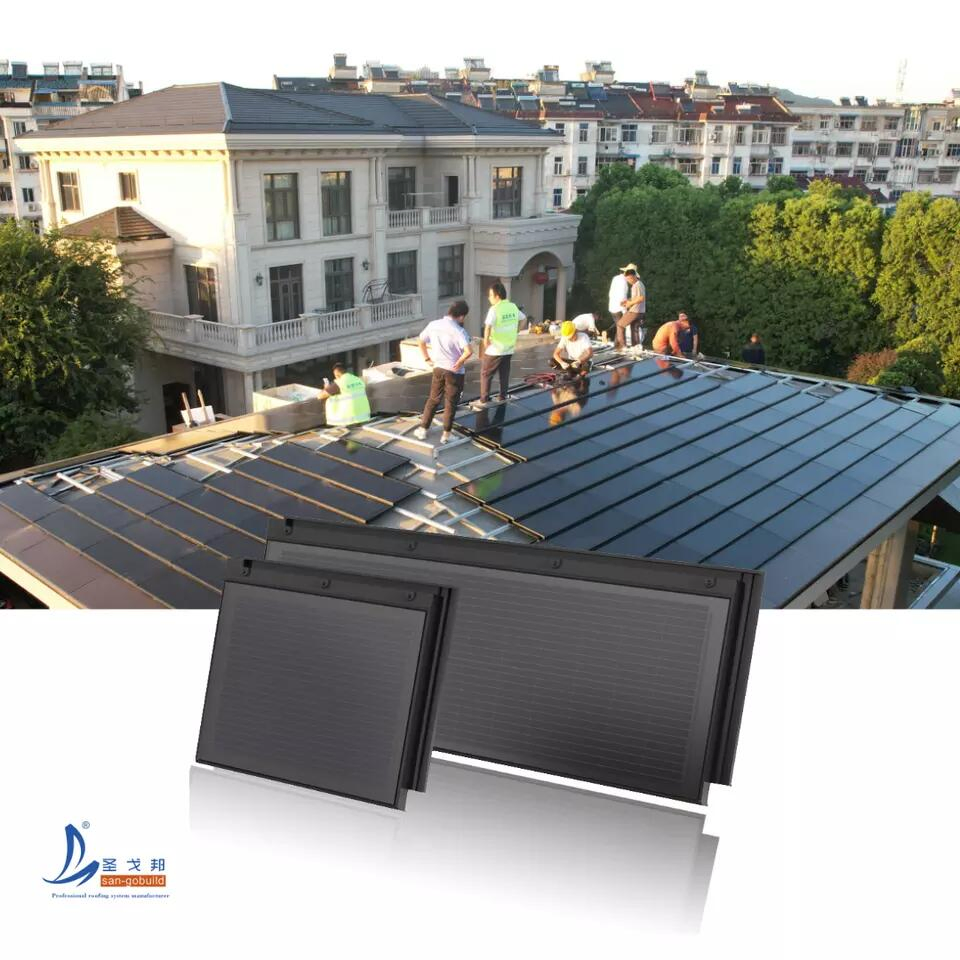
Installation Process 1
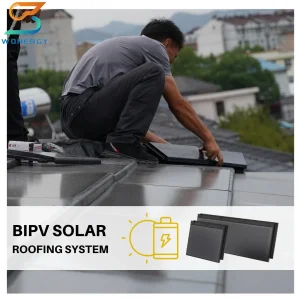
Installation Process 2
Test & Certification

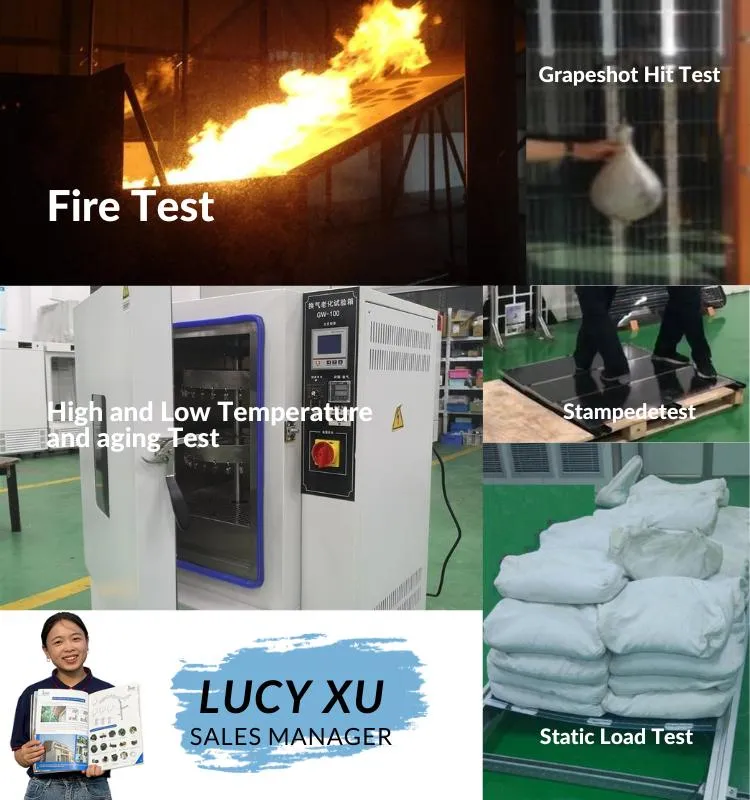
Rigorous Testing: Stampede Test, Grapeshot Hit Test, Fire Test, Temperature and Aging Test, Static Load Test.
Certification 1
Certification 2
Certification 3

Certificates: CE: IEC 61215, IEC 61730, 3C, ISO 9001:2015, ISO 14001:2015, ISO 45001: 2018. Obtained dual certification of TUV and CTC building materials.

Why Choose Our Solutions

Quality Advantage

Approved by ISO9001, CE, CCC. More than ten years of R&D experience in smart buildings and energy.

Technology Advantage

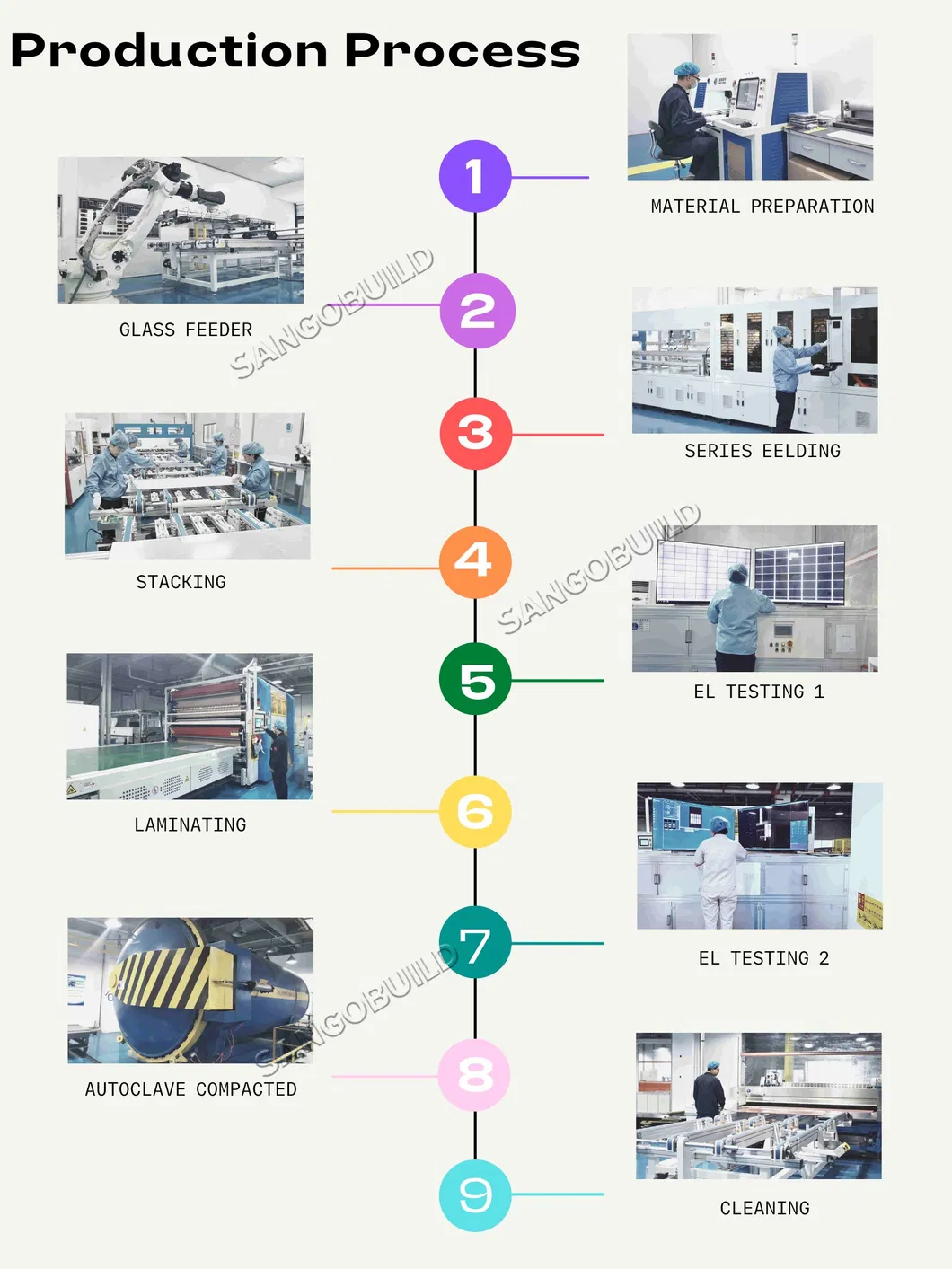
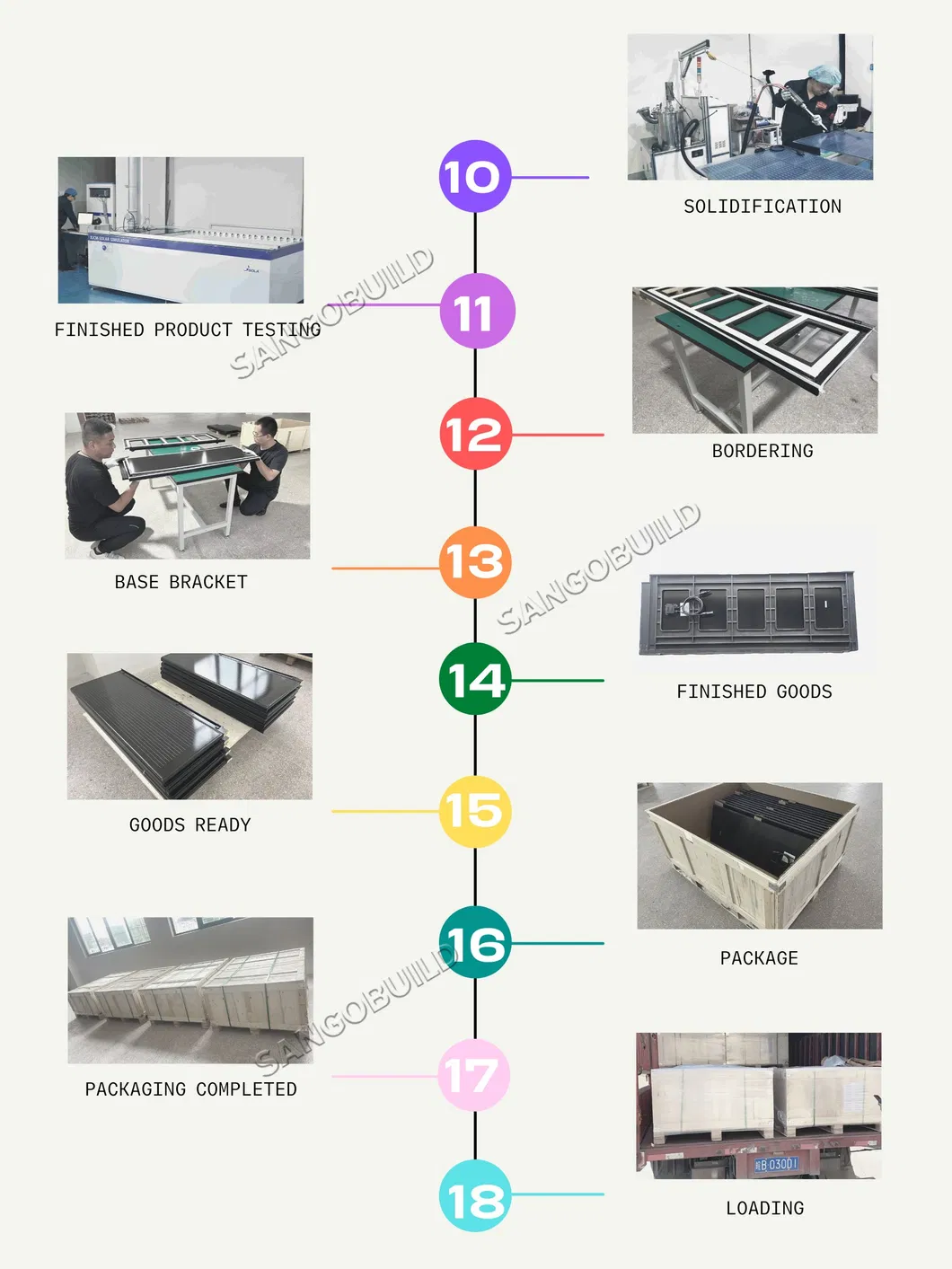
Independent R&D institutions, EL Test, Lamination machine, Autoclave and Laminated Furnace. 138 BIPV patents.
Technology Advantage
? Frequently Asked Questions
1. Where Can You Install Building Integrated Photovoltaics (BIPV)?
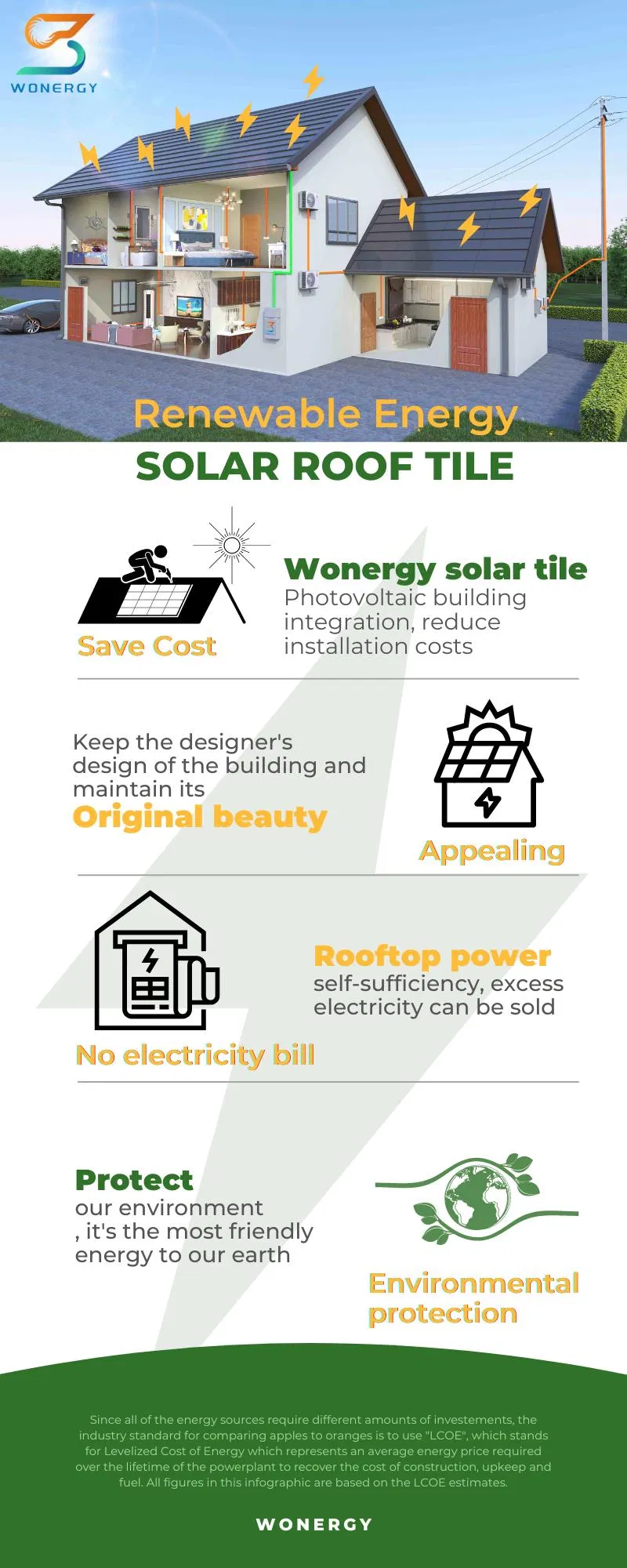
Essentially, anywhere that sunlight directly hits the exterior surface of your home. They can be part of standard building components such as façades, roofs, or windows.
2. What Types of BIPV Can You Buy?
BIPV products include panels, tiles, or shingles that replace traditional roofing. They conversion solar energy into electricity while providing weather protection, thermal insulation, and noise protection.
3. How Much Energy Can BIPVs Produce?
The amount depends on environmental factors: solar radiation (kWh/m2/day), climate conditions, and shading conditions like nearby trees or buildings.
4. Are BIPV Systems Worth the Investment?
Yes, they serve a double function. They provide renewable energy while acting as the building's protective skin, effectively discounting the cost of traditional roofing or facade materials.
5. How Long Do Solar Tiles Last?
Most solar shingles and tiles are designed to last 25-30 years with only a small drop in efficiency, making them more durable than many traditional asphalt systems.
6. What is the difference between a Solar Shingle and a Solar Panel?
Solar shingles are mini solar panels designed to look like and function as conventional roofing materials, offering a more traditional aesthetic than conspicuous solar panels.

Related Products