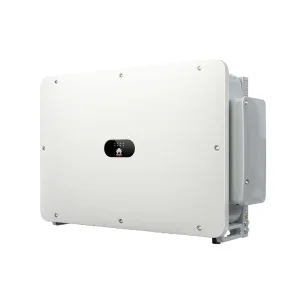
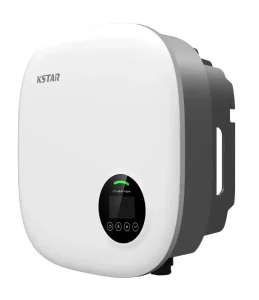
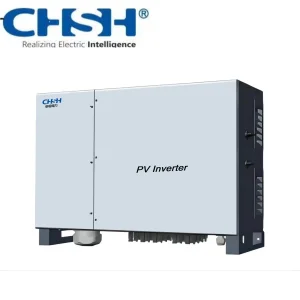
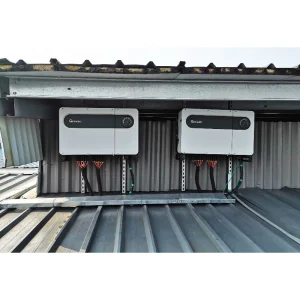
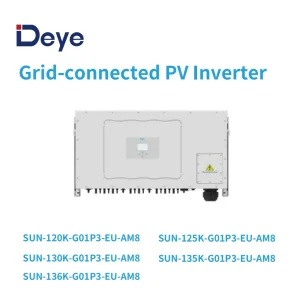
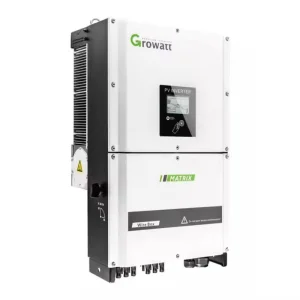
High-efficiency string inverters engineered to withstand the demanding electrical environments and climate of Central Africa.
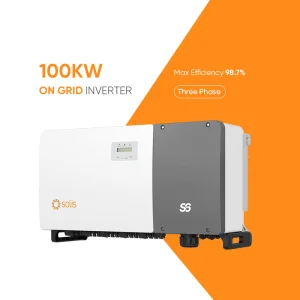
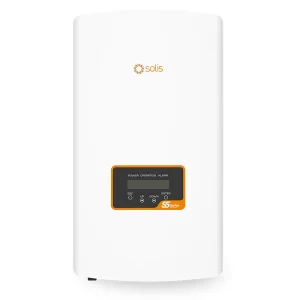
The Democratic Republic of the Congo (DRC) stands at a pivotal point in its energy transition. Despite holding some of the world’s largest reserves of critical minerals like copper and cobalt—essential for the global energy transition—the nation faces a persistent energy deficit. With localized electricity grids often unstable or non-existent in mining and rural regions, the deployment of robust solar PV systems has evolved from a progressive alternative to an absolute industrial and commercial necessity.
Unstable grids require inverters with excellent active voltage regulation, reactive power support, and robust anti-islanding mechanisms to ensure steady plant operations.
Integrating diesel generator sets with utility-scale PV string inverters allows mining operators to reduce fossil fuel dependency by up to 60%, drastically cutting operating costs.
Our solutions feature IP66 enclosures, smart convective cooling, and C5 anti-corrosion ratings, built to resist high heat, intense humidity, and severe mineral dust.
In remote regions like Katanga, Lualaba, and North Kivu, high-efficiency string inverters act as the technological cornerstone of decentralized solar microgrids and off-grid configurations. By distributing the conversion process across multiple independent strings, these systems prevent single-point failures from halting entire operations—a critical consideration for capital-intensive mining facilities operating around the clock.
As a leading solar products manufacturer, Anhui Ran Solar Co., Ltd. specializes in the research, development, production, and global sales of high-quality solar PV products. Since our establishment in 2011, Anhui Ran Solar has achieved remarkable milestones, surpassing many competitors in production capacity, innovative designs, and technological advancements. We firmly believe that innovation drives progress, and we continually pursue new technologies and higher efficiencies to empower a sustainable energy future.
Currently, Anhui Ran Solar boasts a global production capacity of 7.5 GW, serving customers across more than 80 countries with premium products and professional services. By the end of 2023, over 15 GW of our solar modules and system components have been deployed worldwide, powering residential, commercial, and utility-scale projects in diverse climates ranging from dry deserts to tropical rainforests.
By exporting cutting-edge inverter technologies directly to the DR Congo, Anhui Ran Solar bridges the gap between premium global manufacturing standards and local infrastructure requirements.
Contact Our DRC Desk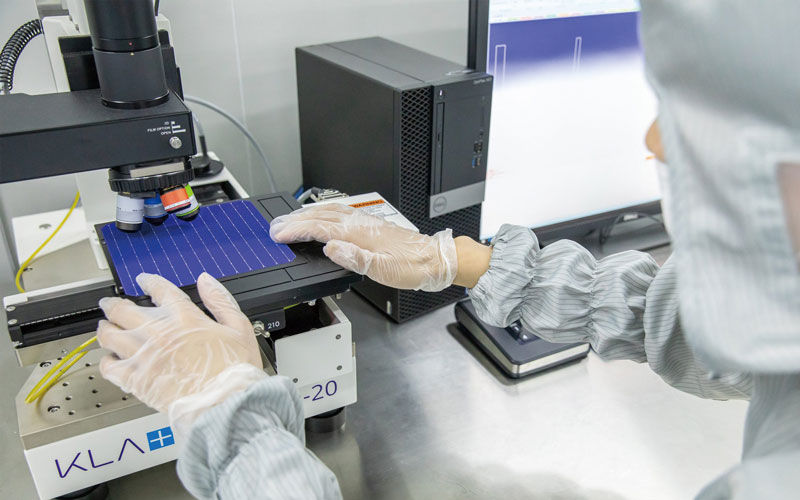
Modern solar design in the Democratic Republic of the Congo has transitioned rapidly from old central inverter topologies to advanced multi-MPPT string inverters. The reasons are rooted in operational resilience, logistics, and localized energy yield optimization.
Tropical weather in the DRC causes rapid cloud formation and local shading. String inverters with multiple Maximum Power Point Trackers (MPPT) isolate affected PV strings, keeping the remaining system working at peak performance.
If a central inverter fails, the entire solar field goes offline. With string inverters, a fault only affects a small portion of the plant. A single local technician can quickly swap out a modular unit, keeping downtime to a minimum.
Heavy central inverters require specialized cranes and logistics to transport over challenging DRC roads. String inverters can be easily transported via standard commercial vehicles and installed without heavy machinery.
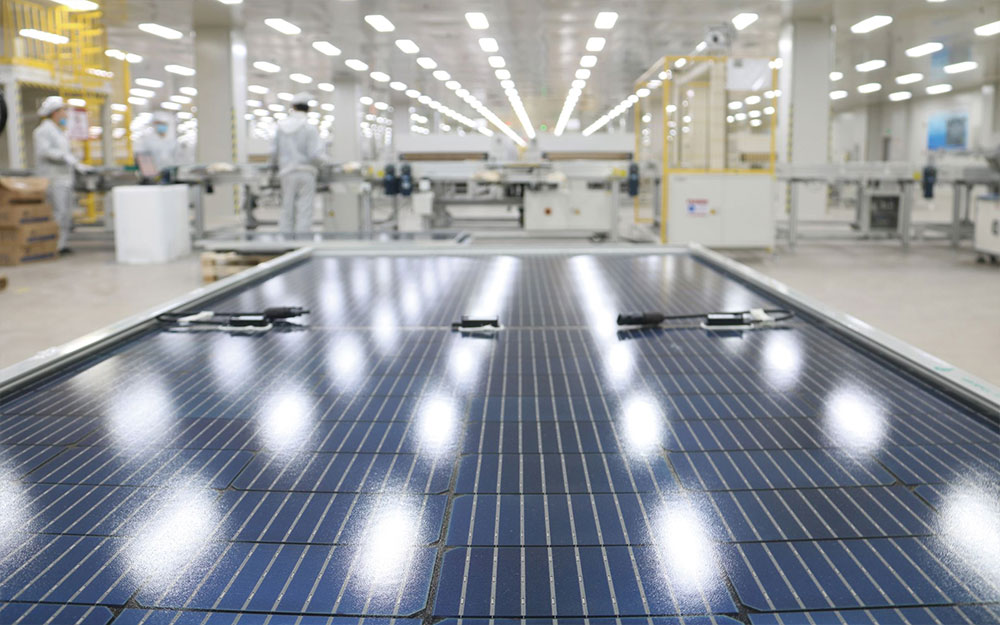
At Anhui Ran Solar, our modularized, fully automated production lines enable rapid delivery, optimized costs, and consistent quality. We have segmented the production process into closely coordinated, automated sectors to maximize efficiency and minimize human error. Over 40 patented technologies have been implemented to optimize production processes, covering every stage from raw material inspection to final packaging. Each step is monitored and recorded in real time, ensuring traceability, precision, and reliability across our manufacturing operations.
Stringent quality control is the cornerstone of our operations. Our customers expect—and receive—uncompromising quality and performance, even in the most extreme conditions. Anhui Ran Solar invests continuously in advanced testing equipment and professional employee training to maintain these high standards. Our products have achieved certifications for Quality Management System (ISO 9001:2015), Environmental Management System (ISO 14001:2015), and Occupational Health and Safety Management System (ISO 45001:2018) from both DNV GL and GZCC, reflecting our commitment to excellence, sustainability, and workplace safety.
Industrial operations in the DRC require solar systems that are more than just assemblies of panels and inverters. They demand complete, end-to-end engineered energy solutions. Anhui Ran Solar provides complete hardware, monitoring software, and system designs to ensure smooth operation.
Our high-capacity string inverters feature advanced grid-forming and grid-following algorithms, allowing them to integrate with Battery Energy Storage Systems (BESS) and diesel generators to maintain grid stability without relying on a central utility grid.
Equipped with AI-powered Arc Fault Circuit Interrupters (AFCI), our string inverters actively detect electrical arcs in milliseconds and shut down the affected system, preventing potential fires at critical mining and industrial sites.
Our software provides complete visibility over remote installations in the DRC, tracking generation metrics and offering automated troubleshooting tools that reduce the need for on-site engineering support.
Entering the DR Congo energy market requires strong engineering capability combined with strict regulatory compliance. All our string inverters comply with international grid connection standards (IEC 61727, IEC 62116) and undergo rigorous testing to meet local import regulations, including Pre-Export Verification of Conformity (PVoC) standards.
To support our clients in Kinshasa, Lubumbashi, Kolwezi, and Kisangani, Anhui Ran Solar offers comprehensive project assistance:
We assist clients with shipping documentation, customs clearance, and road freight routes from major African ports like Mombasa, Dar es Salaam, or Durban directly to your project site.
Our remote engineering support and local partner networks assist with system start-up, grid parameter configuration, and site acceptance testing (SAT).
We provide standard warranties of 5 to 10 years, with options for extensions, backed by dedicated replacement logistics and spare parts management.
The future of solar energy in the DR Congo depends on technological innovation. Anhui Ran Solar is at the forefront of this evolution, developing next-generation technologies designed for high performance and reliability.
Moving from 1000V to 1500V DC system designs reduces overall system costs by minimizing cable requirements, balance of system (BOS) components, and installation times for large utility projects.
Integrating next-generation Silicon Carbide components improves inverter efficiency, reduces thermal stress, and allows for compact, lightweight systems that perform exceptionally in high temperatures.
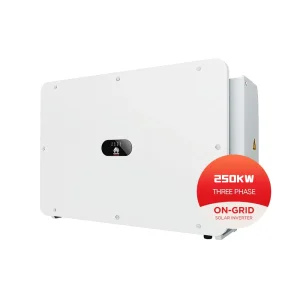
Explore our range of single-phase and three-phase solar inverters designed for residential, commercial, and industrial applications in the DRC.
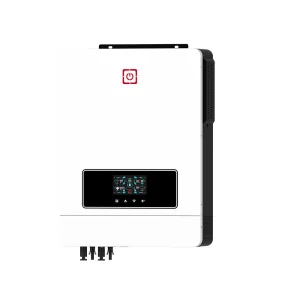
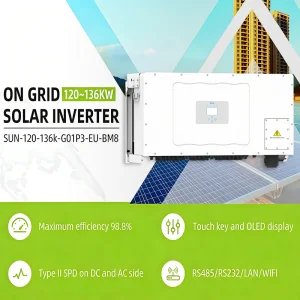
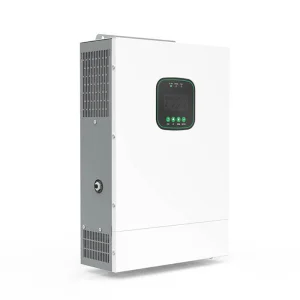
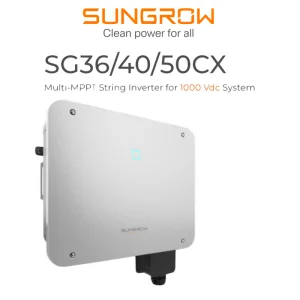
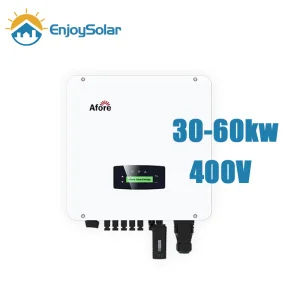
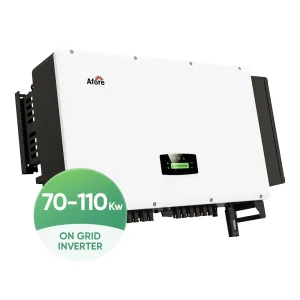
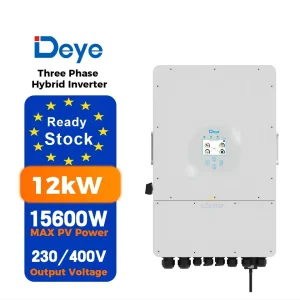
High-capacity hybrid models and customized string inverters supporting integrated battery systems for off-grid industrial mining operations.
Essential technical and logistics information for engineering and procurement managers in the Democratic Republic of the Congo.
 Ran Solar