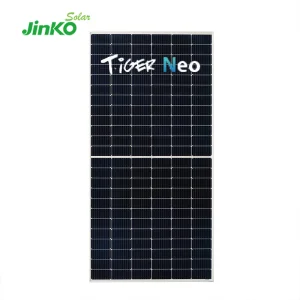
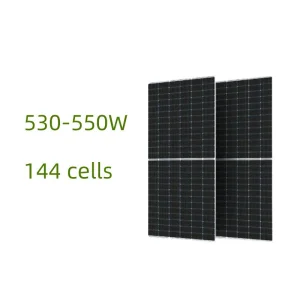
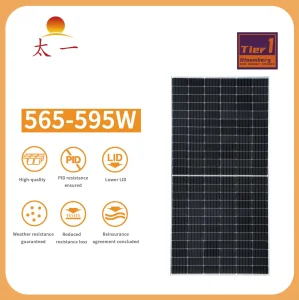
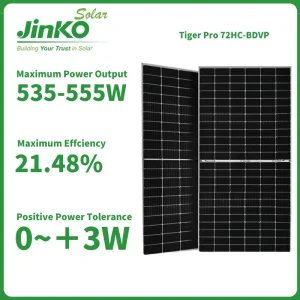
The Republic of the Marshall Islands (RMI) faces unique energy challenges, including total dependence on imported fossil fuels and vulnerability to rising sea levels. With the National Energy Roadmap targeting 100% renewable energy by 2050, monocrystalline solar modules have become the backbone of decentralized power systems across Majuro, Kwajalein, and outer atolls.
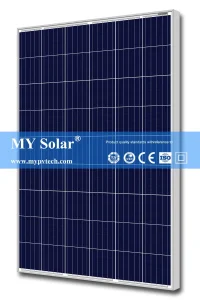
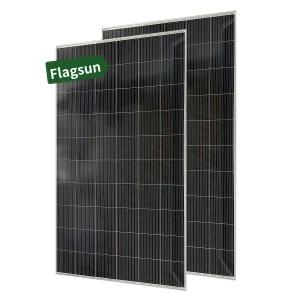
Standard PV panels often fail in the RMI due to extreme salt mist corrosion. Our export-grade monocrystalline modules feature enhanced anti-corrosion frames and POE encapsulation, specifically tested to IEC 61701 standards, ensuring 25+ years of performance in the most demanding Pacific maritime environments.
As a leading supplier, Anhui Ran Solar integrates the latest PV advancements to maximize "Information Gain" for our Marshallese clients.
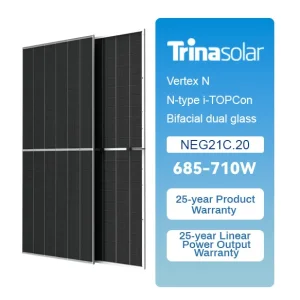
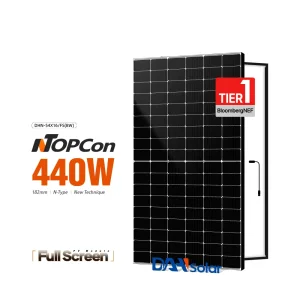
Transitioning from P-type to N-type TOPCon technology offers lower LID (Light Induced Degradation) and a better temperature coefficient, which is critical in the constant 30°C+ temperatures of the Marshall Islands.
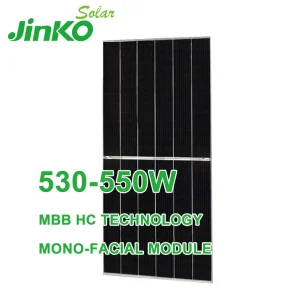
Bifacial modules capture reflected sunlight from the bright white coral sands of atolls, increasing energy yield by up to 15-25% compared to monofacial panels.
The future of RMI energy lies in coupling high-efficiency monocrystalline modules with BESS (Battery Energy Storage Systems) to stabilize atoll-wide microgrids during cloud cover.
Annual Production Capacity
Global Deployment
Countries Served
Patented Technologies
As a leading solar products manufacturer, Anhui Ran Solar Co., Ltd. specializes in the research, development, production, and global sales of high-quality solar PV products. Since our establishment in 2011, Anhui Ran Solar has achieved remarkable milestones, surpassing many competitors in production capacity, innovative designs, and technological advancements. We firmly believe that innovation drives progress, and we continually pursue new technologies and higher efficiencies to empower a sustainable energy future.
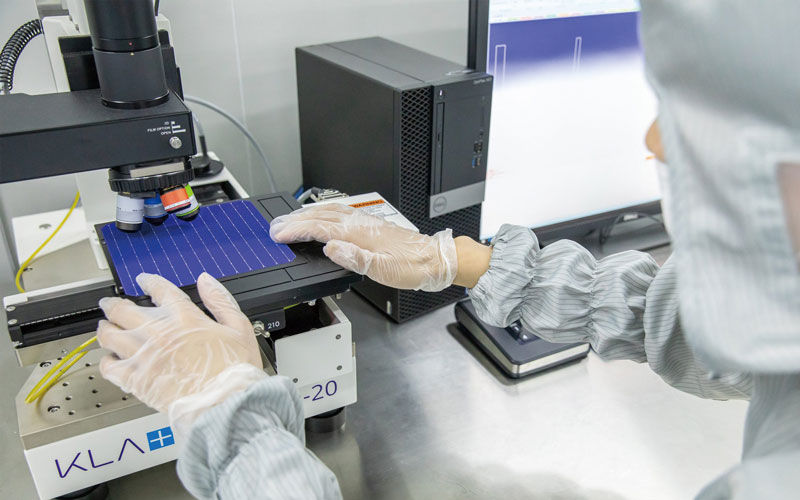
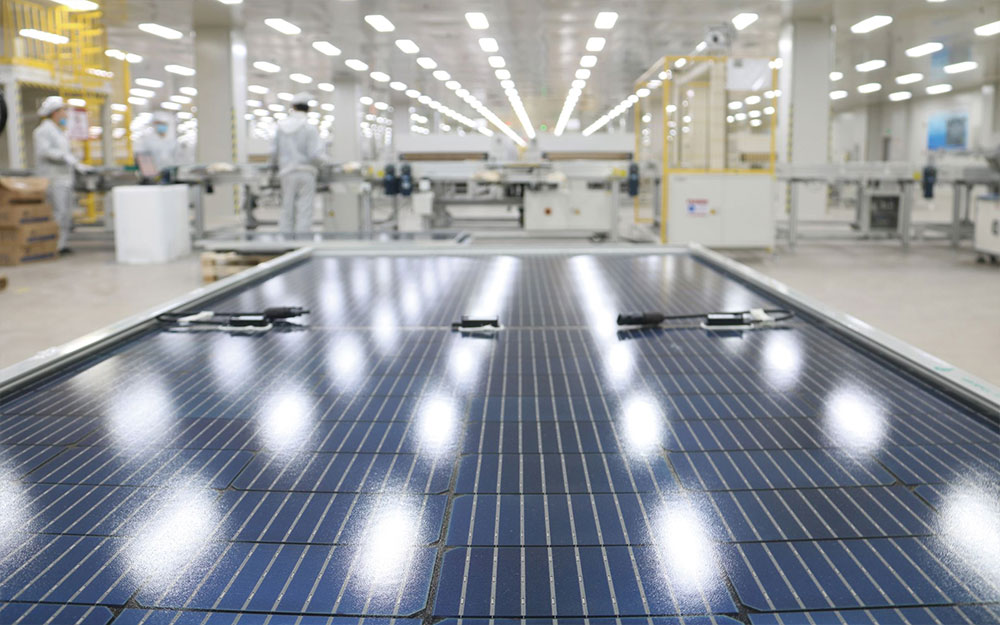
Our smart manufacturing facility utilizes modularized, fully automated production lines to enable rapid delivery and optimized costs. Every stage, from raw material inspection to final packaging, is recorded in real-time, ensuring the reliability expected by industrial and utility-scale clients in the Marshall Islands.
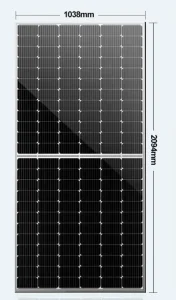
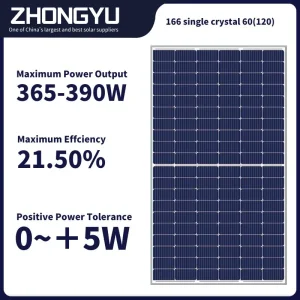
Large-scale solar farms designed for Majuro's limited land area, utilizing high-density 700W+ modules to maximize Wp per square meter.
Reliable solar energy solutions for the fishing industry in RMI, ensuring consistent power for cold storage and processing plants via robust monocrystalline arrays.
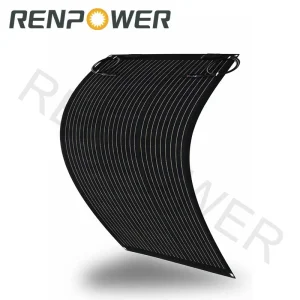
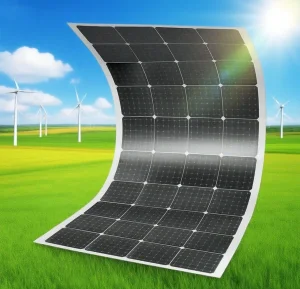
Lightweight, high-efficiency kits for outer islands, designed for easy transport via sea vessel and simple installation with minimal maintenance.
Our products have achieved certifications for ISO 9001:2015, ISO 14001:2015, and ISO 45001:2018 from DNV GL and GZCC. For the Marshall Islands market, we provide additional assurance through TUV-certified salt mist and ammonia resistance testing, ensuring long-term durability against the corrosive Pacific sea air.
A: Monocrystalline modules offer significantly higher efficiency and better performance in low-light and high-heat conditions. Given the limited land area on atolls like Majuro, getting more power from a smaller footprint is essential.
A: We use double-glass designs and specialized anti-corrosive treatments on the aluminum frames. Our modules pass Level 6 Salt Mist Corrosion testing, the highest standard for maritime environments.
A: We have a robust logistics network for the Pacific region. Shipping typically involves transit through regional hubs like Guam or direct shipping routes depending on the order volume. Total lead time usually ranges from 4-6 weeks.
A: Yes, we provide comprehensive technical documentation, remote commissioning support, and training materials for local engineering teams to ensure optimal system design and installation.
Looking for a specialized quote for your Pacific project?
Send Inquiry Now Ran Solar