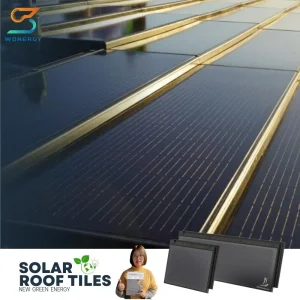
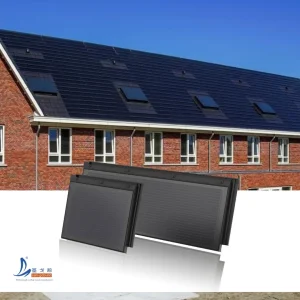
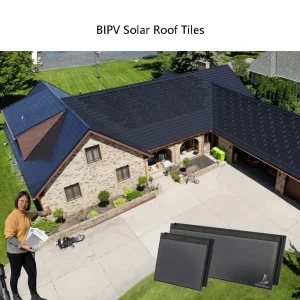
Engineered to withstand the extreme humidity, maritime salt-mist, and high thermal indexes of Equatorial Guinea.
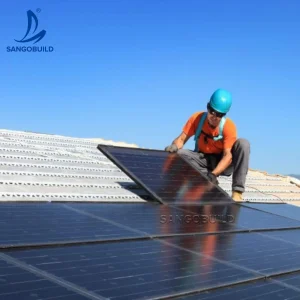
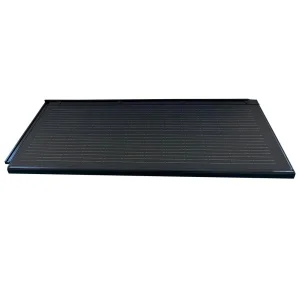
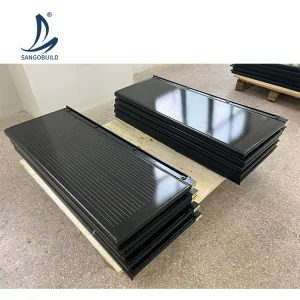
Equatorial Guinea is standing at a critical juncture of infrastructure modernization. As one of Central Africa's primary oil-producing nations, the government is actively steering its National Development Strategy toward economic diversification and sustainable energy infrastructure. BIPV (Building-Integrated Photovoltaics) represents a structural evolution from traditional architectural materials to active power generators. The implementation of integrated solar roofing in high-density urban areas like Malabo II and coastal Bata resolves the dual challenges of localized power generation and tropical roof decay.
Equatorial Guinea possesses a distinctive tropical maritime climate, characterized by constant high humidity (averaging over 80-90%), consistent rainfall patterns, and elevated ambient temperatures. Conventional steel roofing, widely used in commercial complexes and warehouses across Bata, suffers from accelerated electrochemical corrosion due to saline marine environments. On the other hand, traditional clay or concrete roofing tiles absorb excessive solar heat load, driving up air conditioning energy demands.
By replacing conventional cladding materials with double-tempered glass BIPV solar tiles, developers can mitigate these thermodynamic issues. BIPV provides structural waterproofing, dynamic thermal insulation, and exceptional chemical resistance, effectively shielding building structures from salt-mist deterioration while generating clean energy directly at the point of consumption.
As the epicenter of the global solar supply chain, Chinese manufacturing centers like Anhui Ran Solar Co., Ltd. represent the pinnacle of PV technology, scaling, and cost efficiency. The advantages of procuring BIPV roofing from Chinese smart factories go far beyond initial capital expenditure reductions:
| Parameters | Standard PV Roof Add-on | Anhui Ran Solar BIPV Roofing |
|---|---|---|
| Structural Function | Dual layer (roofing material + mounting + panels) | Single structural layer (Replaces roof tiles directly) |
| Wind Load Rating | Vulnerable to high winds at fixing points | Integrated structural layout, aerodynamic profiles |
| Corrosion Resistance | Mounting structure susceptible to sea-spray oxidation | Fully glass-encapsulated, zero exposed metals |
| Thermal Insulation | Heat trapped between panel and roof layer | Reflective backsheets & air-cavity cooling designs |
| Warranty Lifecycle | 10-15 Years for typical sub-structures | 30-Year structural and power output warranty |
Implementing integrated solar roofing in Equatorial Guinea calls for tailor-made engineering approaches depending on the building typology:
1. Coastal Commercial Centers & Supermarkets: High-traffic commercial malls in Bata require immense electrical cooling loads. Integrating BIPV panels into glass curtain walls and glass skylights generates stable daytime power, which shaves peak power demands and lowers operational overhead.
2. Eco-Resorts and Off-grid Island Infrastructure: For remote locations on Bioko Island or Corisco, transporting diesel is costly and hazardous. BIPV roofing tiles transform luxury bungalows into self-sustaining power stations, providing silent, reliable energy without compromising the visual harmony of nature resorts.
3. Government & Administrative Buildings: Malabo II’s governmental quarters present clean surfaces for large-scale BIPV retrofitting, setting a national benchmark for sustainable development policies and carbon neutrality commitments.
Get BIPV Engineering ConsultationAs a leading solar products manufacturer, Anhui Ran Solar Co., Ltd. specializes in the research, development, production, and global sales of high-quality solar PV products. Since our establishment in 2011, Anhui Ran Solar has achieved remarkable milestones, surpassing many competitors in production capacity, innovative designs, and technological advancements. We firmly believe that innovation drives progress, and we continually pursue new technologies and higher efficiencies to empower a sustainable energy future.
Currently, Anhui Ran Solar boasts a global production capacity of 7.5 GW, serving customers across more than 80 countries with premium products and professional services. By the end of 2023, over 15 GW of our solar modules have been deployed worldwide, powering residential, commercial, and utility-scale projects.
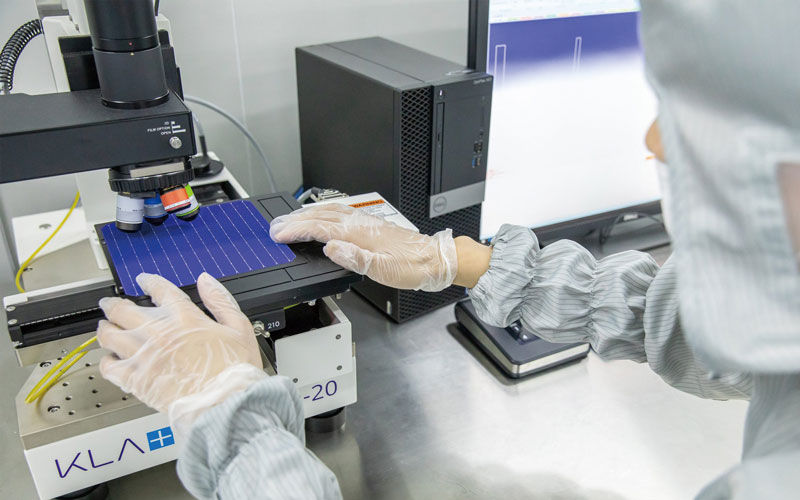
Innovation is at the core of Anhui Ran Solar’s strategy. We provide a full spectrum of advanced renewable energy technologies to meet the unique needs of every customer, whether utilities, commercial enterprises, or industrial clients. Our dedicated R&D team continuously explores next-generation solar solutions, including high-efficiency modules, bifacial technologies, and smart energy solutions.
We invest heavily in state-of-the-art laboratory equipment and recruit top-tier engineering talent, ensuring that our products remain at the cutting edge of the renewable energy industry. This relentless pursuit of technological innovation enables our customers to achieve higher performance, reduced costs, and superior reliability in their solar installations.
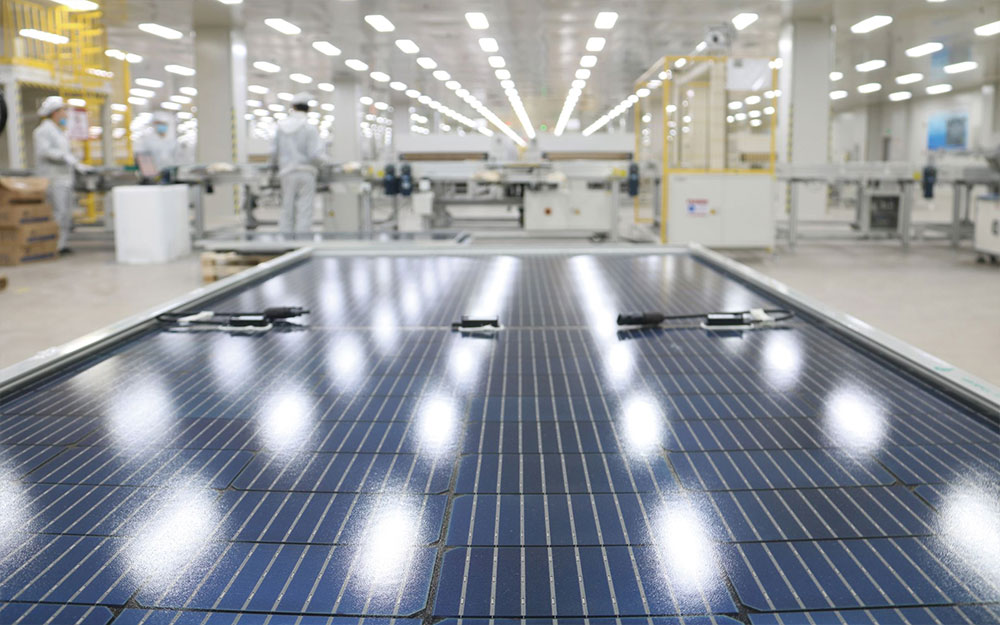
At Anhui Ran Solar, our modularized, fully automated production lines enable rapid delivery, optimized costs, and consistent quality. We have segmented the production process into closely coordinated, automated sectors to maximize efficiency and minimize human error.
Over 40 patented technologies have been implemented to optimize production processes, covering every stage from raw material inspection to final packaging. Each step is monitored and recorded in real time, ensuring traceability, precision, and reliability across our manufacturing operations.
Stringent quality control is the cornerstone of our operations. Our customers expect—and receive—uncompromising quality and performance, even in the most extreme conditions.
Anhui Ran Solar invests continuously in advanced testing equipment and professional employee training to maintain these high standards. Our products have achieved certifications for Quality Management System (ISO 9001:2015), Environmental Management System (ISO 14001:2015), and Occupational Health and Safety Management System (ISO 45001:2018) from both DNV GL and GZCC, reflecting our commitment to excellence, sustainability, and workplace safety.
Global Vision: Anhui Ran Solar is committed to accelerating the global energy transition. By providing innovative, reliable, and efficient solar solutions, we aim to empower communities, businesses, and governments worldwide to harness the power of the sun for a cleaner, greener future.
Explore our complete range of high-efficiency architectural glass, shingles, and integrated systems designed for modern builders.
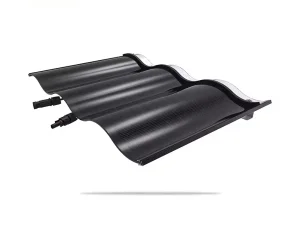
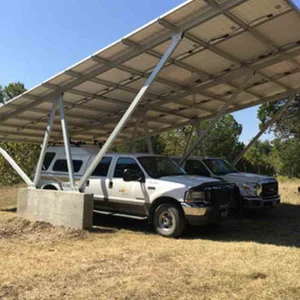
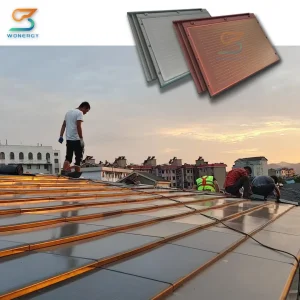
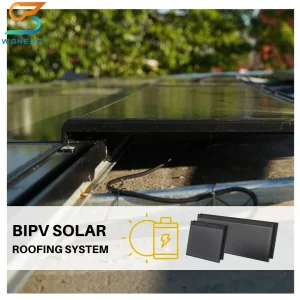
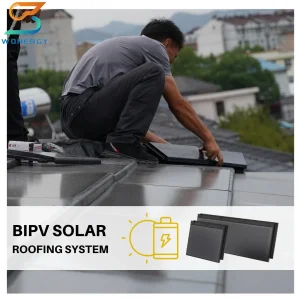
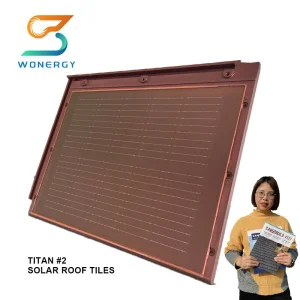
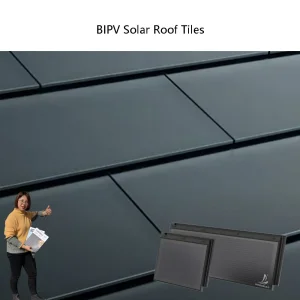
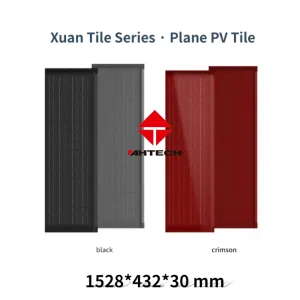
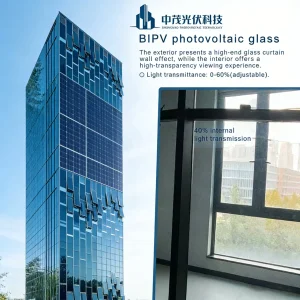
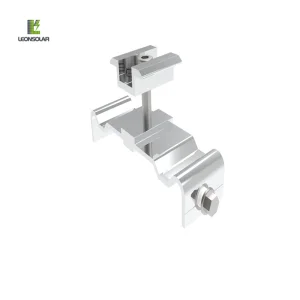
Detailed technical insights regarding Building Integrated Photovoltaic (BIPV) systems procurement and application in West Africa.
Partner with Anhui Ran Solar to bring cutting-edge, certified, and climate-resilient BIPV technology to your next construction project in Equatorial Guinea or globally.
Send Inquiry Now Ran Solar