Germany Double Glass 4mm Thick Roofing BIPV Solar Panel Glass Facade Integrated Photovoltaics Roofing Tiles for Building

Still deciding? Get samples of $ !
Order Sample

Product Description

Basic Information
Model NO.
Solar Tile
Power Density
174 W/M2
Cable
PV 4 mm2
Cell Size
182*91mm
Glass
Tempered/3.2mm
Type
Perc, Half Cell, Bifacial, Double-Glass, BIPV
Certification
ISO, CE, Mcs, Cec, CQC, CCC
Warranty
30 Years
HS Code
85414300
Production Capacity
100000 Per Week
Product Description
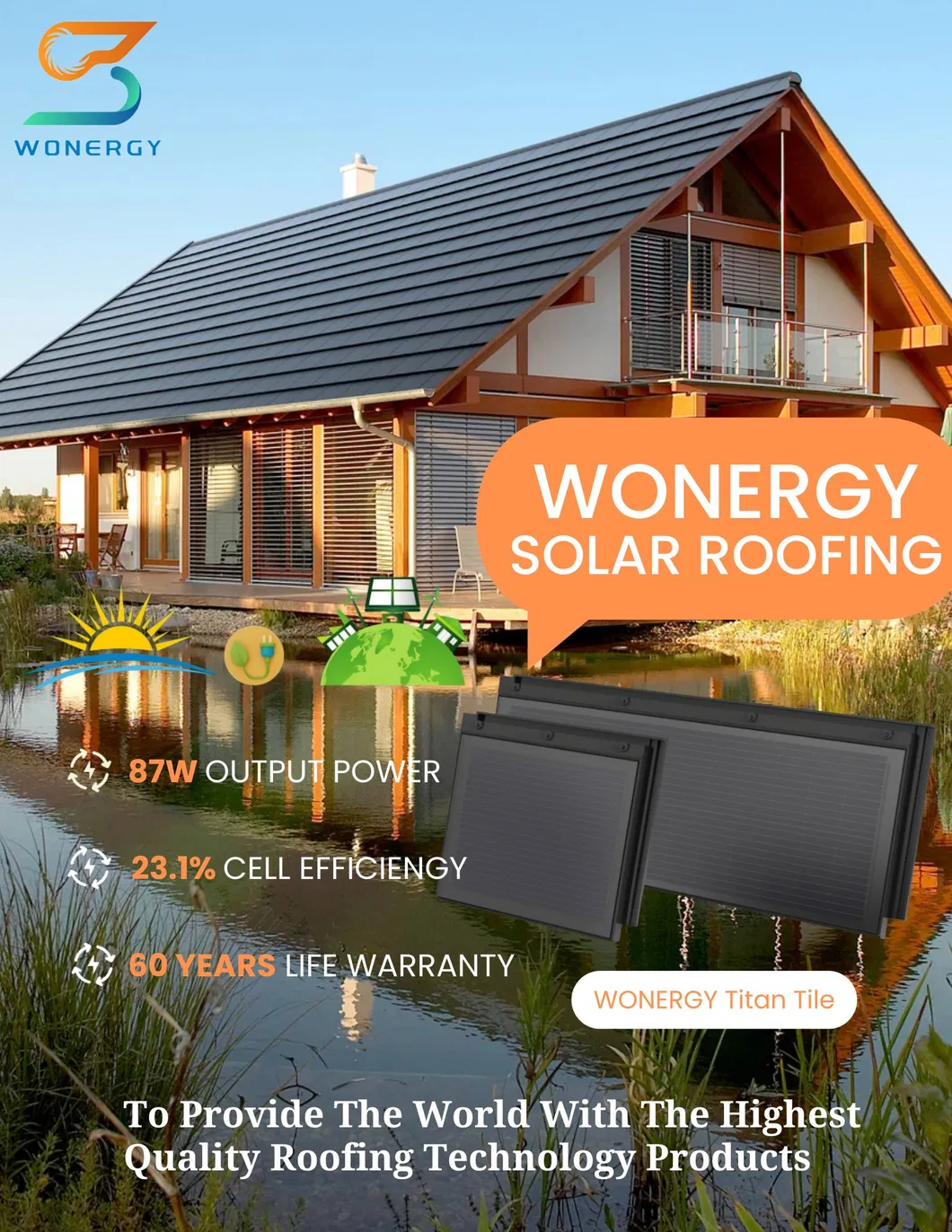
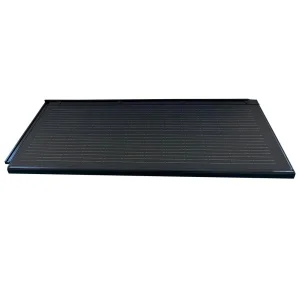
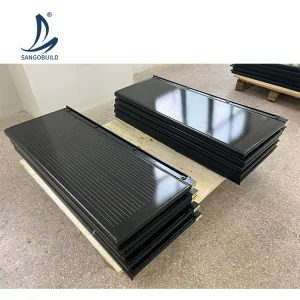
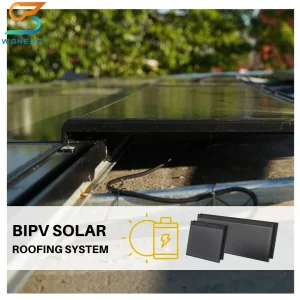
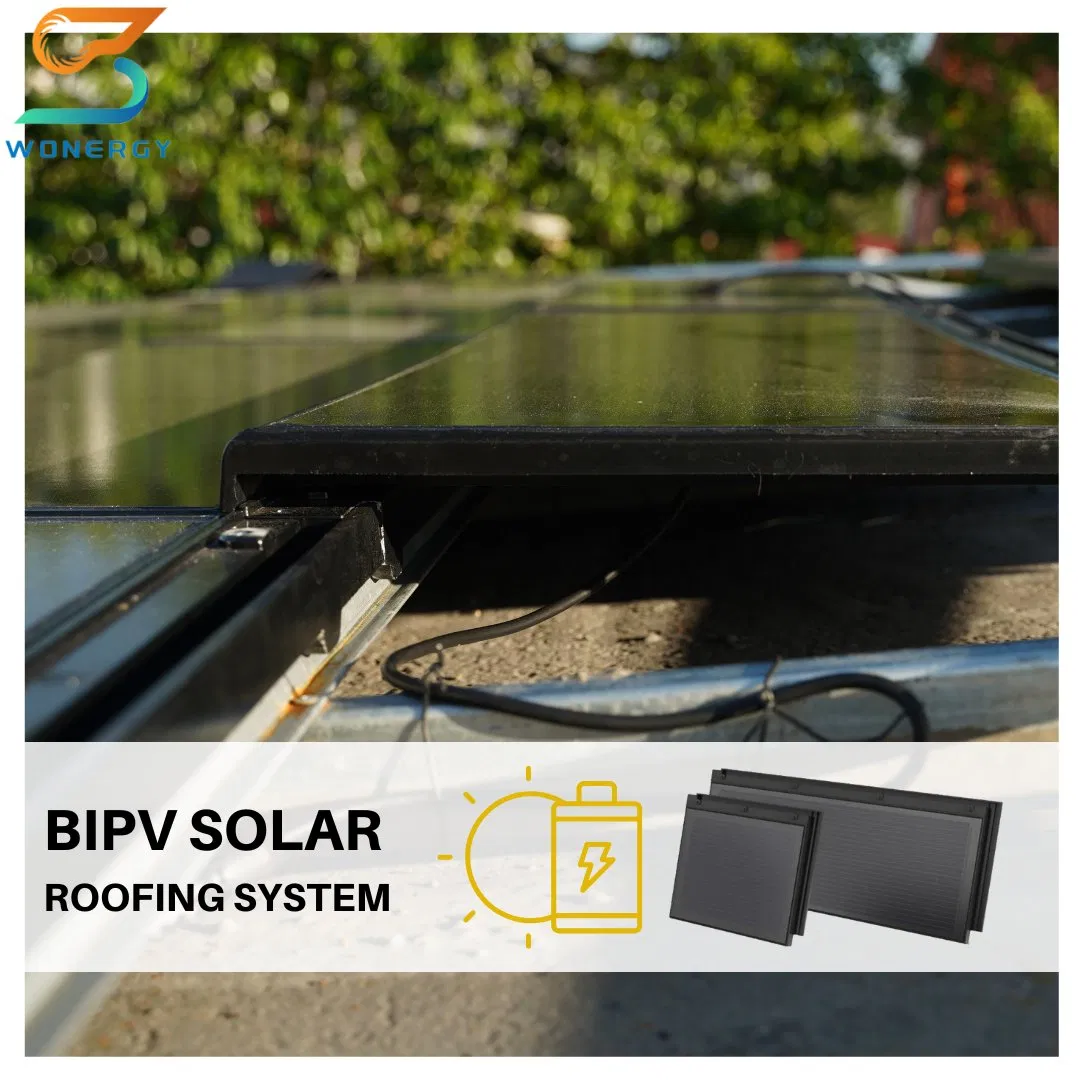
BIPV Solar Panel
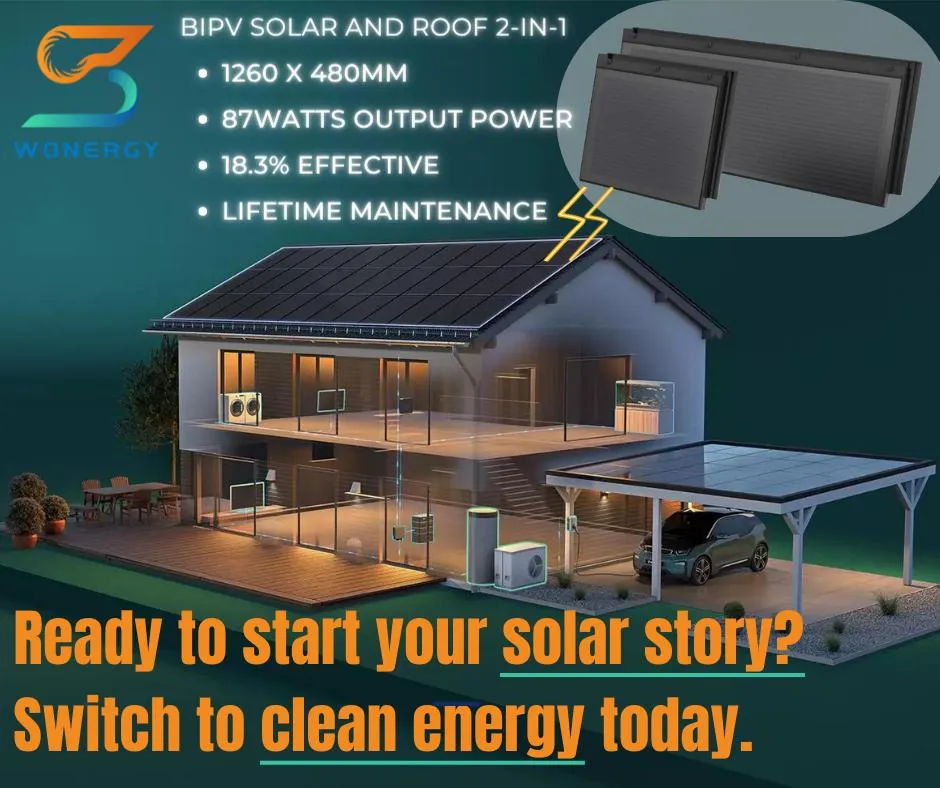
Specifications S-1 (Small Size) S-2 (Standard)
Size630*480mm1260*480mm
Weight9kg16.5kg
Glass Thickness3.2mm Tempered3.2mm Tempered
Battery Size182*91mm (2*5)182*91mm (5*12)
Power Output35W87W
Fire RatingClass AClass A
Lifespan>30 years>30 years
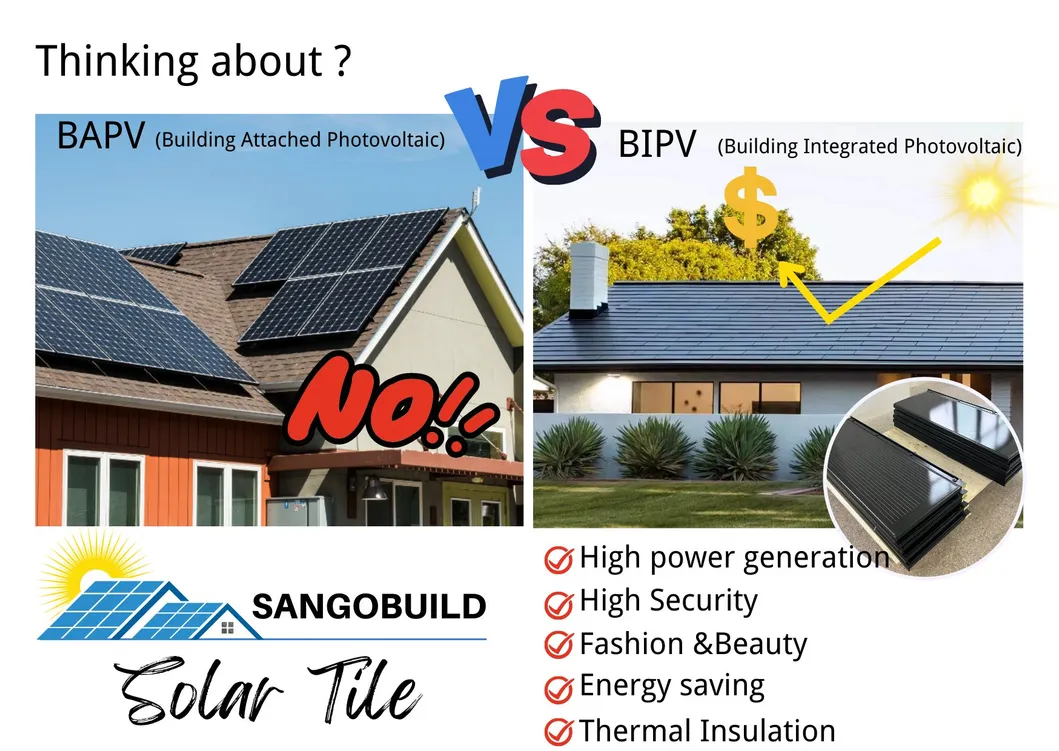
BAPV VS BIPV Comparison
Feature BAPV (Applied) BIPV (Integrated)
MethodFitting modules to existing surfacesReplacement of traditional materials
AppearanceMessy, poor integrityBeautiful, modern, elegant
Lifespan20 Years50+ Years
WaterproofHigher leakage riskPremium waterproofing resistance
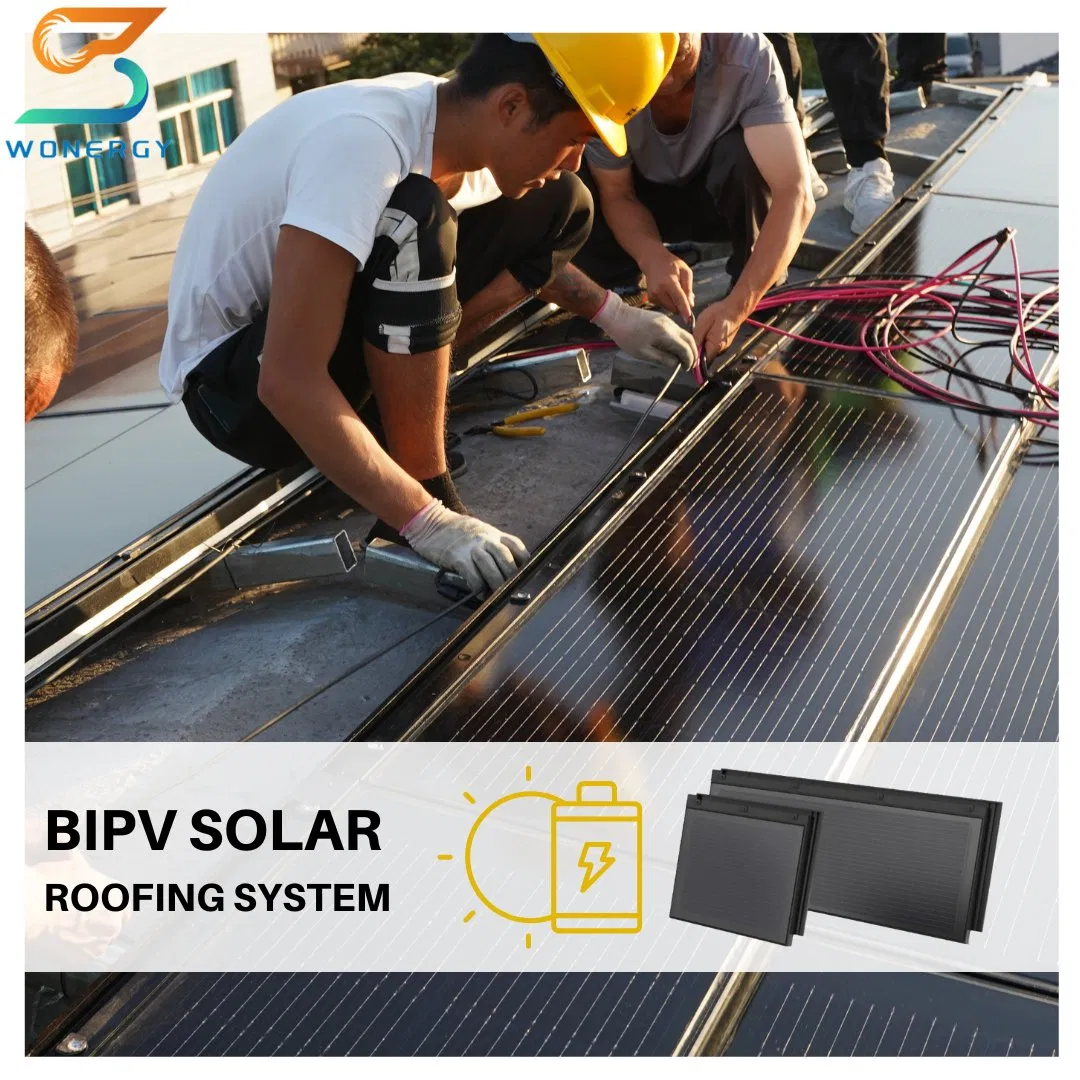
InstallationTwo phases, long periodEasy construction, fast installation
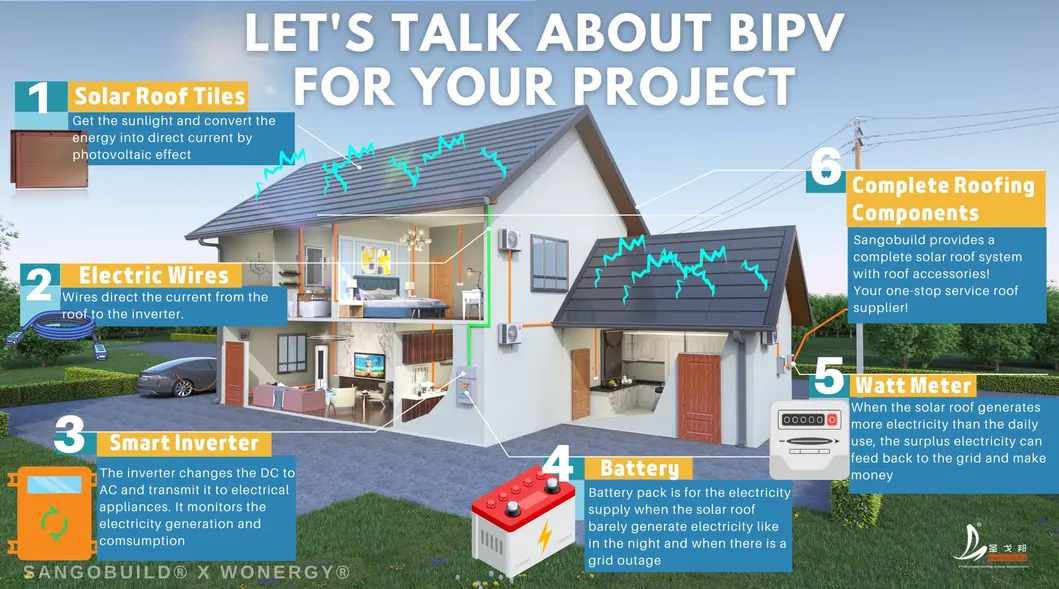
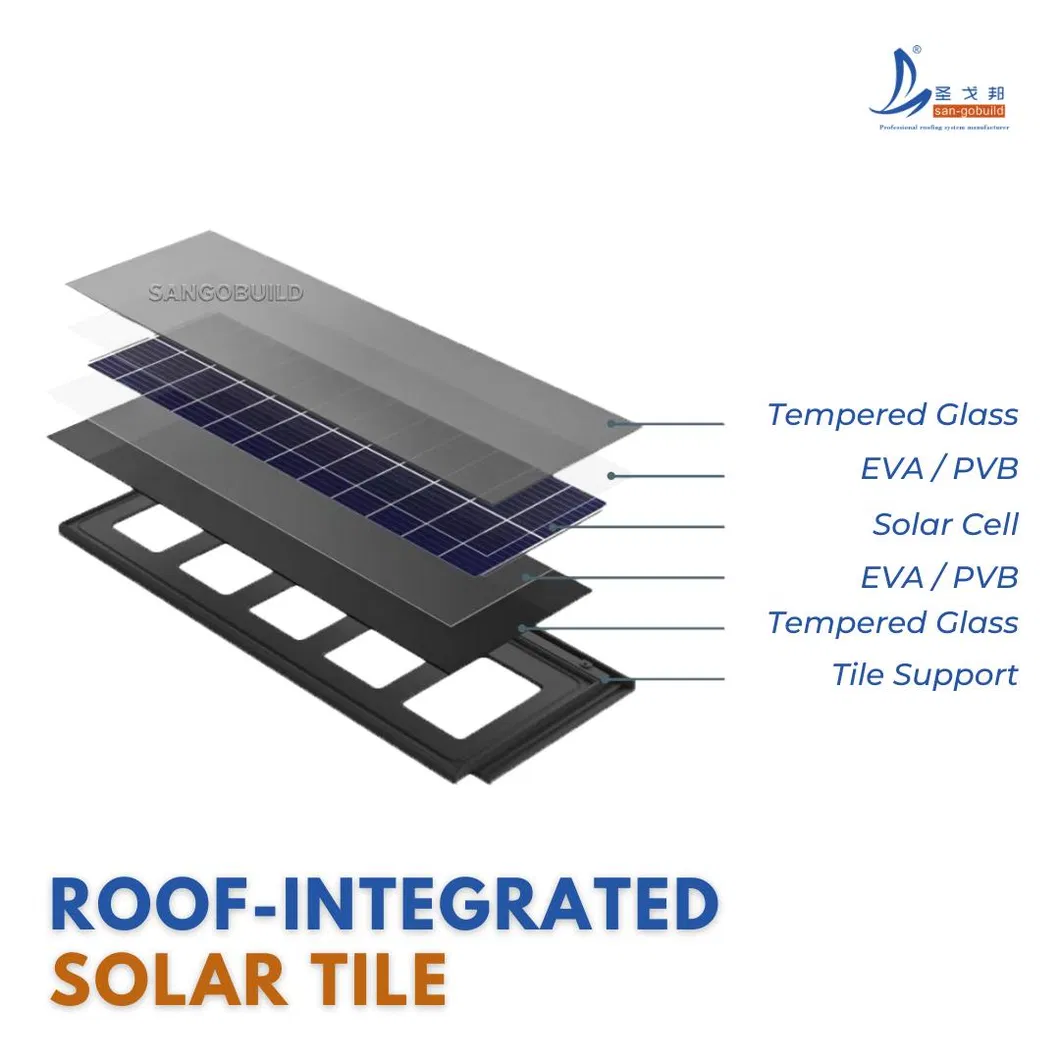
BIPV Structure
Comparison View
Why Choose Solar Roof Tiles?

IT'S A ROOFING MATERIAL!

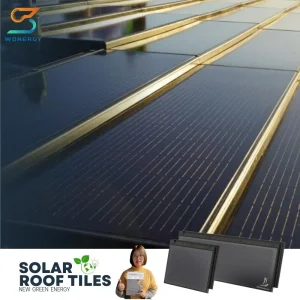
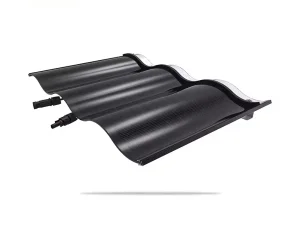
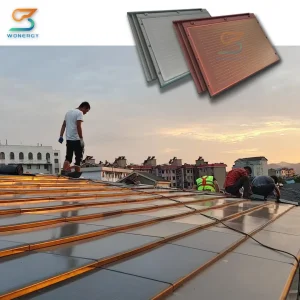
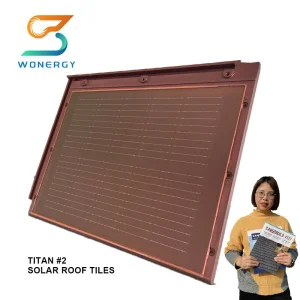
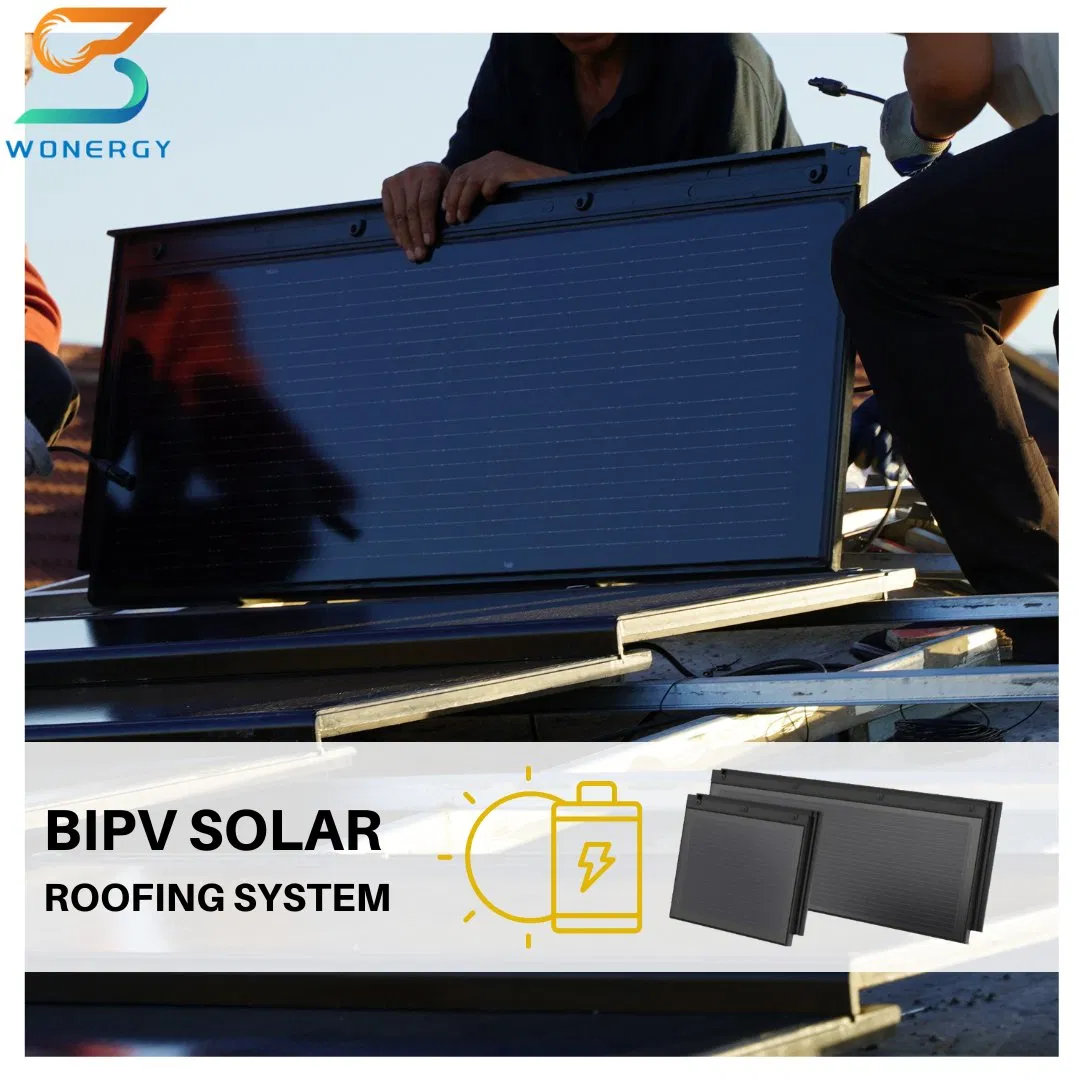
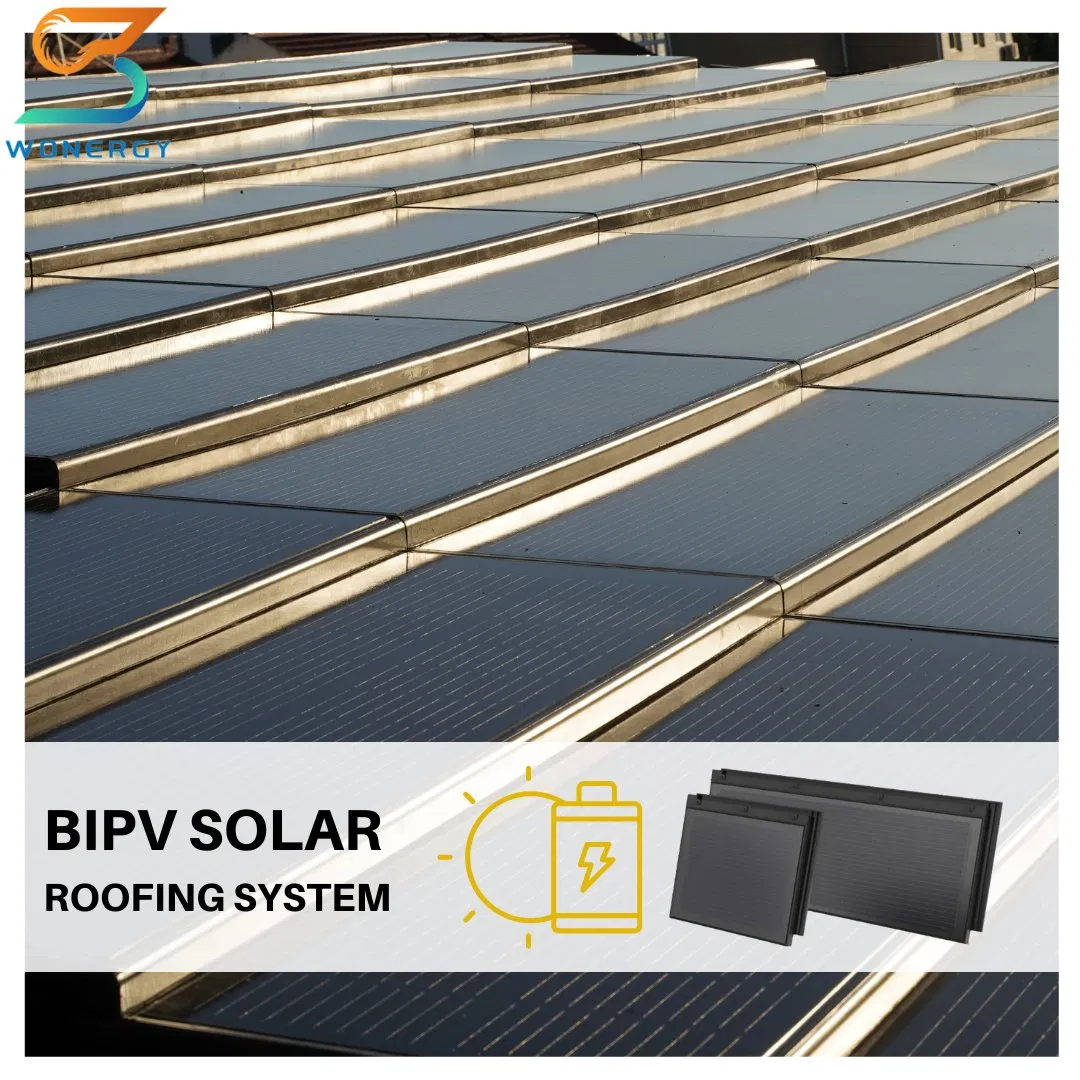
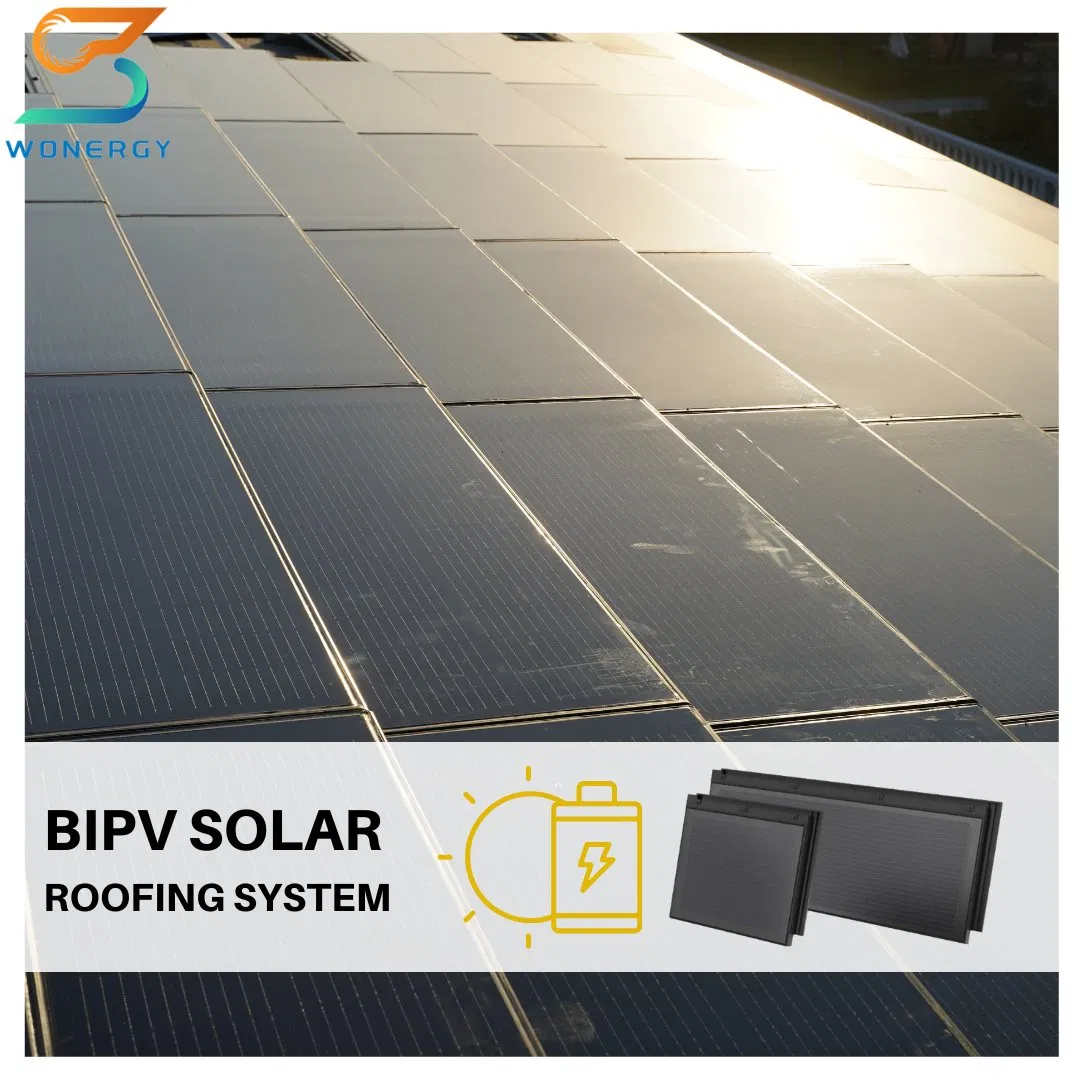
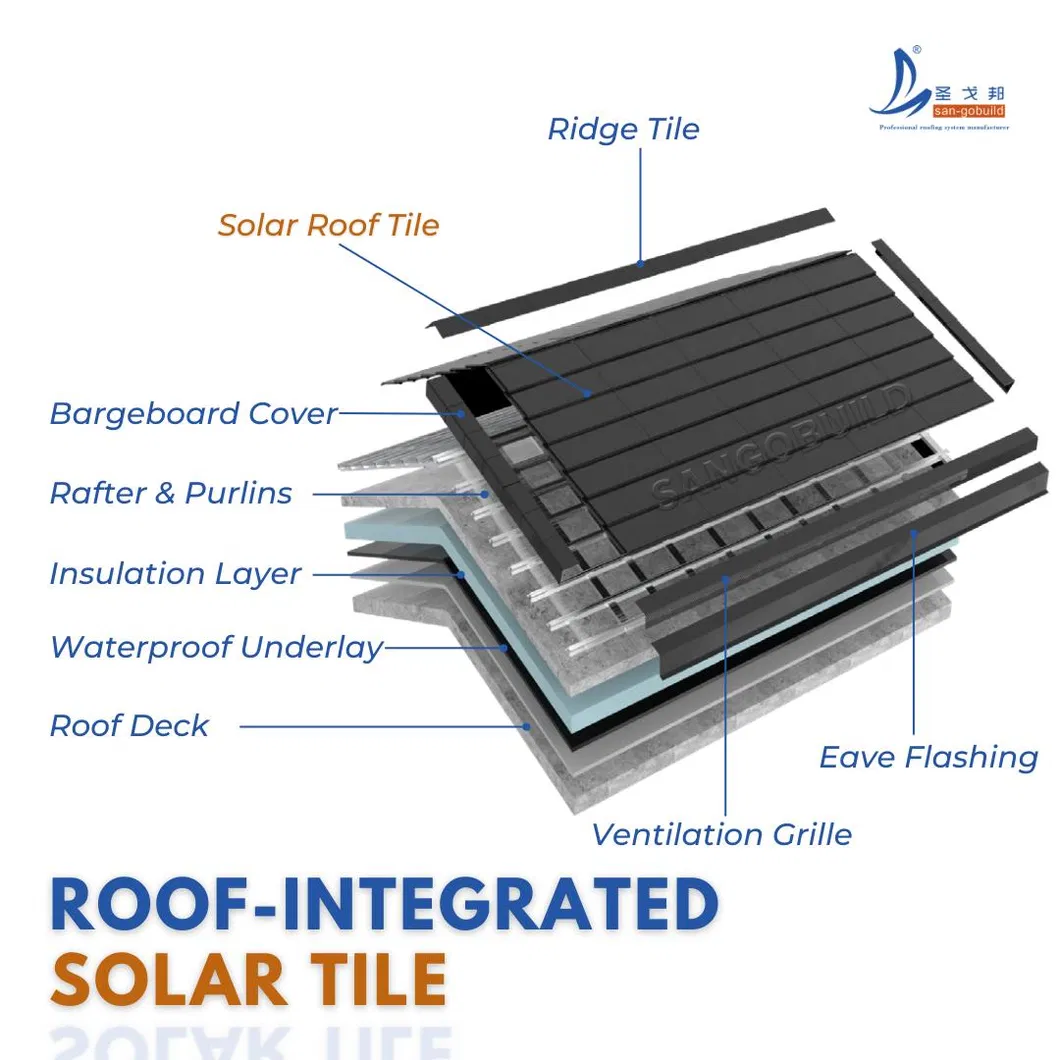
Solar Roof Tile is a kind of roofing material just like conventional roof tiles. It not only generates power but also acts as a protective cover against rain, wind, and hail.
  • High efficient whole roof covering
  • Class A waterproofing & Fire Rating
  • Hail and Wind Resistant
  • More than 60 years lifespan
  • Aesthetically appealing modern design
Solar Structure
Roofing System
Energy Flow
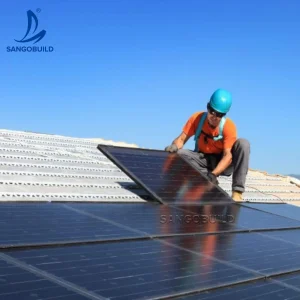
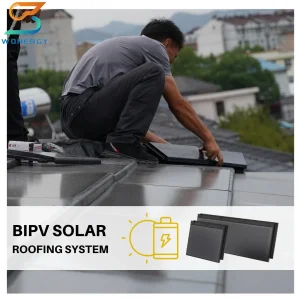
Application & Installation
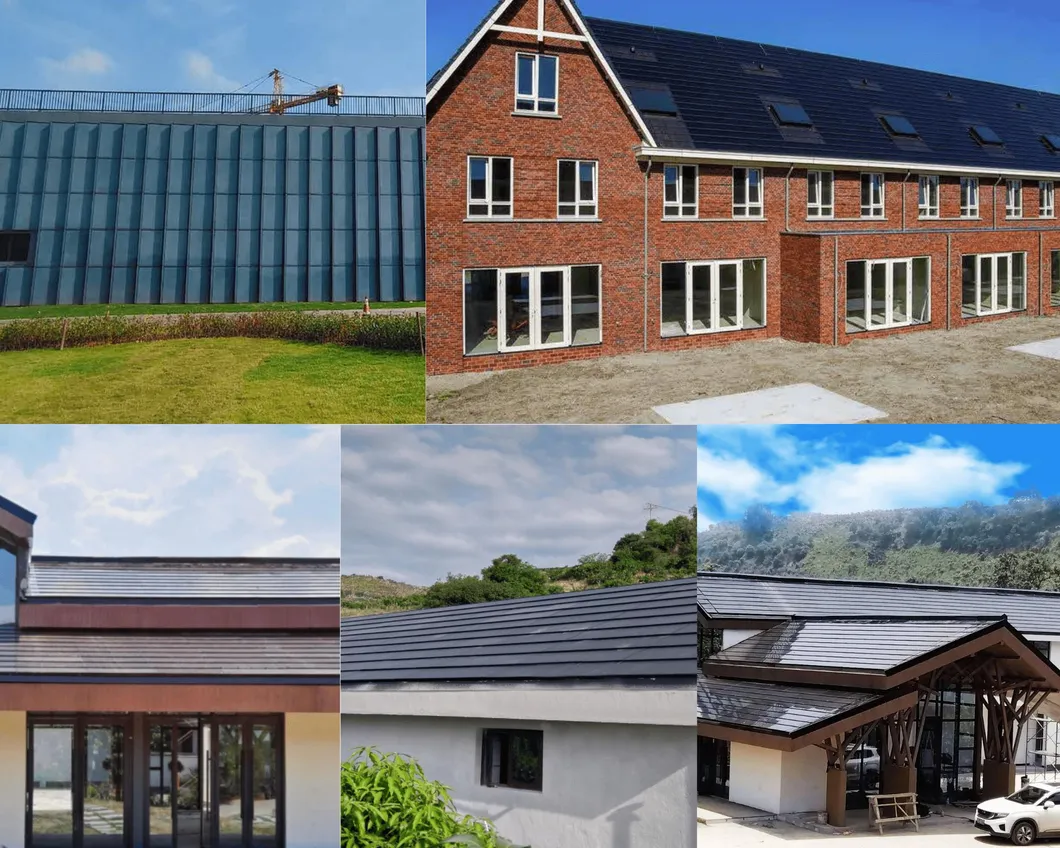
Application 1
Application 2
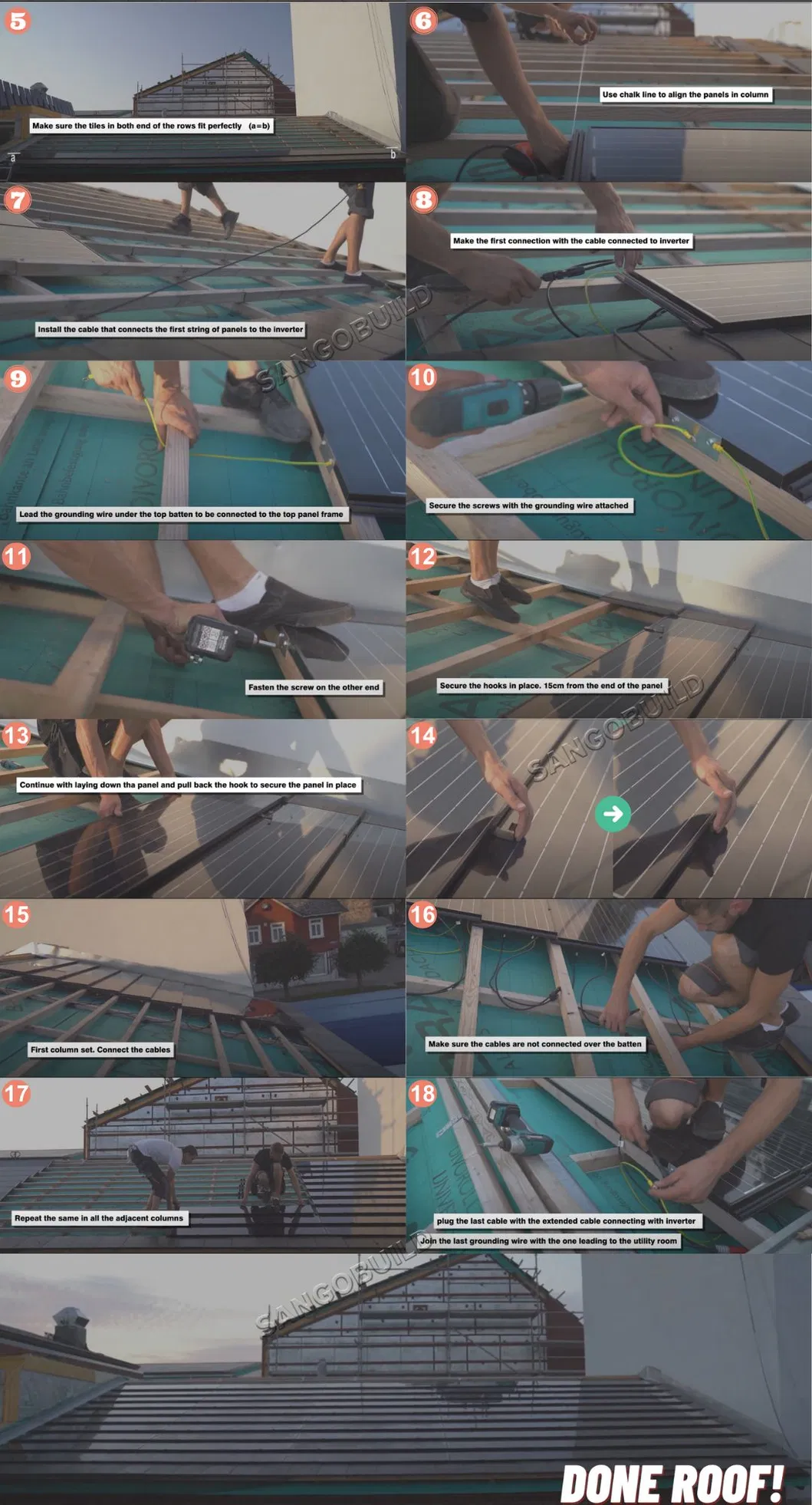
Install 1
Install 2
Install 3
Frequently Asked Questions
1. Where Can You Install Building Integrated Photovoltaics (BIPV)?
Essentially anywhere sunlight directly hits the exterior surface of your home. BIPV products can be integrated into façades, roofs, or windows as part of the building envelope.
2. What are the main benefits of BIPV?
BIPV serves a dual purpose: it provides renewable energy while functioning as a structural building element. This reduces installation costs by replacing traditional materials like asphalt shingles or glass facades.
3. How much energy can BIPV produce?
The output depends on solar radiation (kWh/m2/day), climate conditions, and shading. Modern BIPV systems are designed to maximize efficiency even in urban environments.
4. How long do BIPV solar tiles last?
BIPV systems are highly durable. Solar tiles typically last 25-30 years, often outlasting the traditional roofing materials they replace, such as asphalt shingles which may only last 15 years.
5. Are they resistant to extreme weather?
Yes. Quality solar roofing is designed with a Class A fire rating, high wind ratings (ASTM D3161), and hail ratings (ANSI FM 4473) to ensure safety and longevity.
6. What is a solar shingle?
Solar shingles are mini solar panels designed to resemble and function like conventional roofing materials, such as slate or asphalt, while generating clean electricity.

Related Products