In the current global economic landscape, "Electrification" is no longer just a buzzword; it is a critical survival strategy for factories and exporters. As nations strive for Net-Zero emissions by 2050, the industrial sector—responsible for over 30% of global CO2 emissions—is under immense pressure to decarbonize. Electrification strategies involve replacing fossil-fuel-dependent processes with high-efficiency electric alternatives powered by renewable energy like solar PV.
Global corporations are now prioritizing ESG (Environmental, Social, and Governance) metrics in their procurement processes. For an exporter, having a carbon-neutral manufacturing facility isn't just about ethics; it's a competitive advantage that unlocks access to premium markets in Europe and North America.
Replacing gas-fired boilers with industrial heat pumps and electric steam generators. This reduces direct on-site emissions by up to 90% when paired with solar energy.
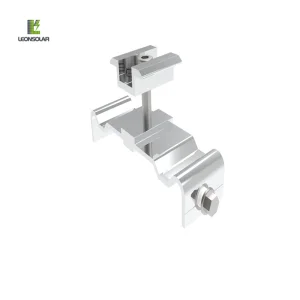
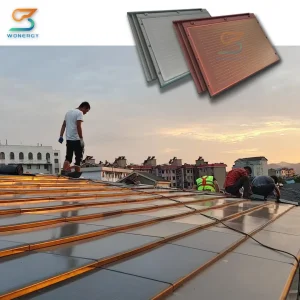
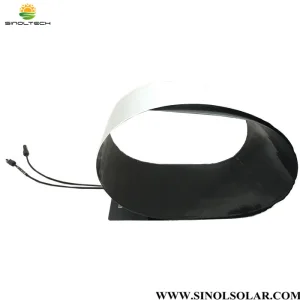
Utilizing Building Integrated Photovoltaics (BIPV) to turn factory roofs and facades into active power plants, optimizing space and reducing utility costs.
Implementing Battery Energy Storage Systems to manage "peak shaving," ensuring factories avoid high demand charges and have backup power during grid outages.
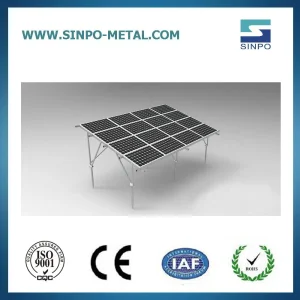
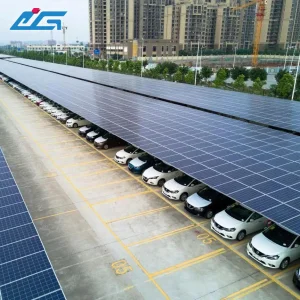
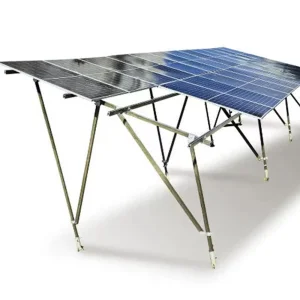
Converting internal logistics and employee transport to EVs, supported by Solar Carport structures that charge vehicles using clean energy.
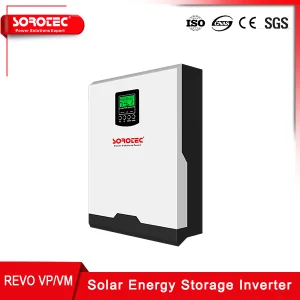
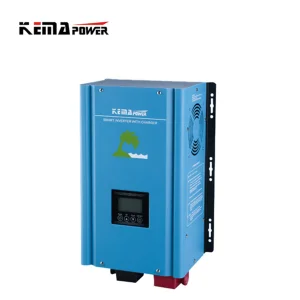
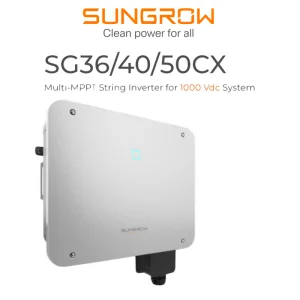
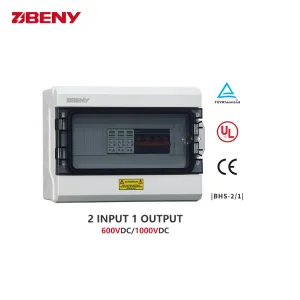
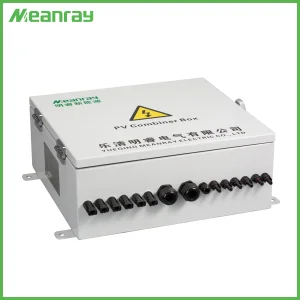
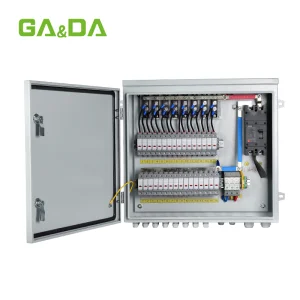
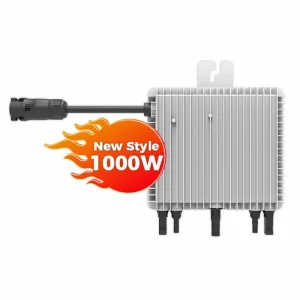
Using AI to balance load demand with solar generation. Smart inverters and combiner boxes provide the data needed for real-time energy optimization.
Capturing low-grade waste heat from industrial processes and using electric heat pumps to upgrade it for other manufacturing needs.
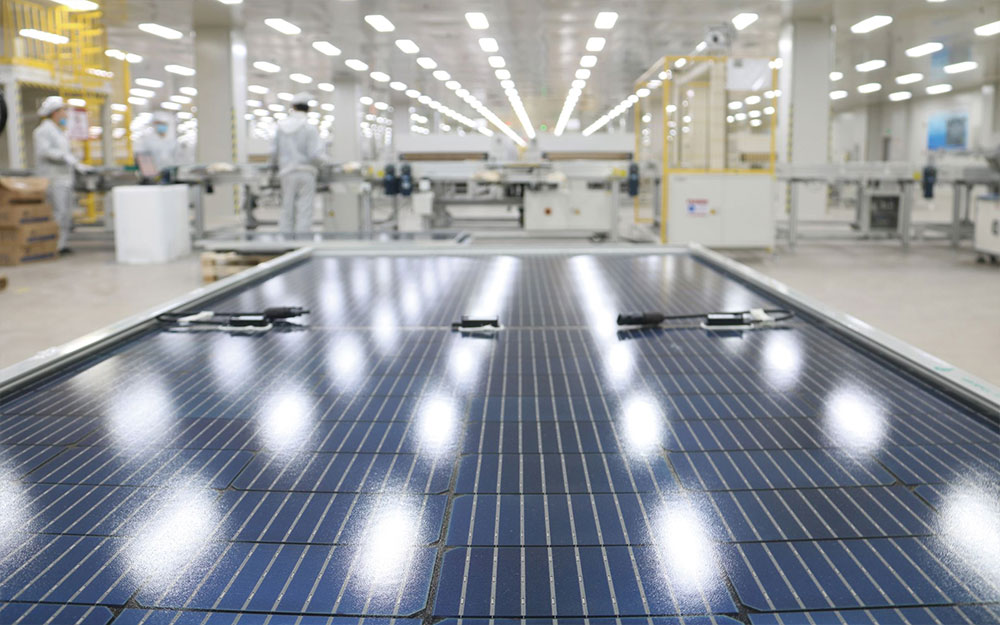
Switching to modular, fully electric automated lines (like those at Anhui Ran Solar) to improve precision and energy efficiency compared to traditional pneumatic systems.
Creating a digital replica of the factory’s energy system to simulate and find the most efficient electrification pathways before physical implementation.
Participating in grid services where factories adjust their electricity usage in exchange for financial incentives, made possible by smart PV controls.
Exporters must demand electrification from their suppliers to ensure the final product has a low "embodied carbon" footprint, essential for global trade.
As a leading solar products manufacturer, Anhui Ran Solar Co., Ltd. specializes in the research, development, production, and global sales of high-quality solar PV products. Since our establishment in 2011, Anhui Ran Solar has achieved remarkable milestones, surpassing many competitors in production capacity, innovative designs, and technological advancements.
Currently, Anhui Ran Solar boasts a global production capacity of 7.5 GW, serving customers across more than 80 countries. By the end of 2023, over 15 GW of our solar modules have been deployed worldwide, powering residential, commercial, and utility-scale projects.
Innovation is at the core of Anhui Ran Solar’s strategy. We provide a full spectrum of advanced renewable energy technologies to meet the unique needs of every customer. Our dedicated R&D team continuously explores next-generation solar solutions, including high-efficiency modules, bifacial technologies, and smart energy solutions.
We invest heavily in state-of-the-art laboratory equipment and recruit top-tier engineering talent, ensuring that our products remain at the cutting edge. This enables our customers to achieve higher performance and reduced costs.
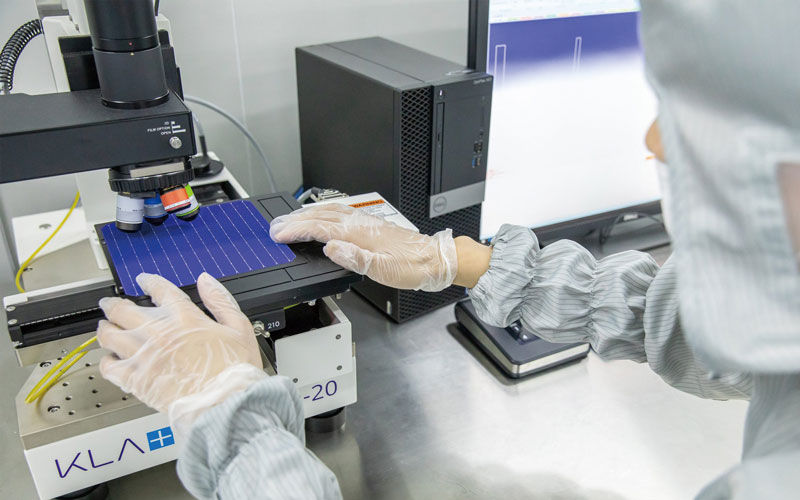
Our modularized, fully automated production lines enable rapid delivery, optimized costs, and consistent quality. Over 40 patented technologies have been implemented to optimize production processes from raw material inspection to final packaging.
China's integrated industrial clusters allow us to source components and scale production faster than any other region, ensuring your projects stay on schedule.
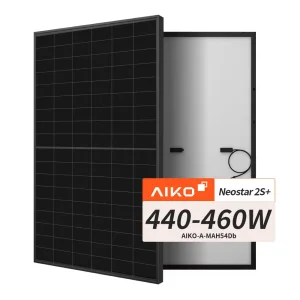
Economies of scale in our 7.5GW facility allow us to offer premium technology like N-Type ABC Bifacial panels at a price point that maximizes your ROI.
Our products carry ISO 9001, ISO 14001, and ISO 45001 certifications from DNV GL, meeting the most stringent quality and safety standards globally.
 Ran Solar