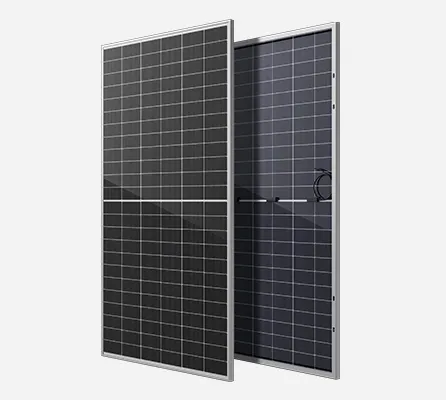
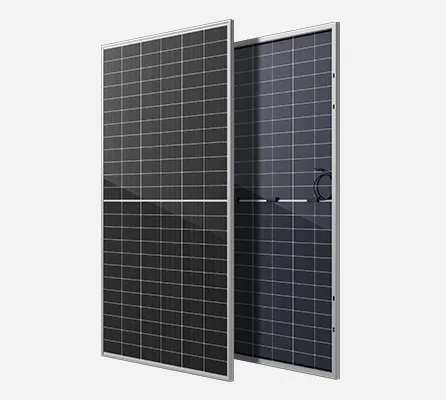
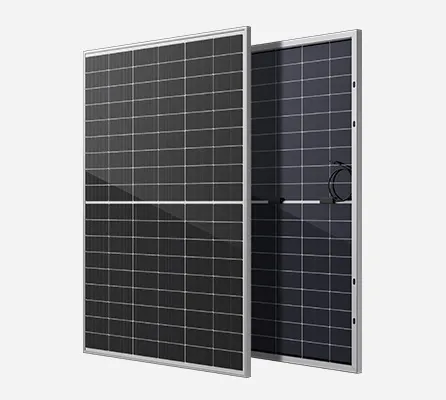
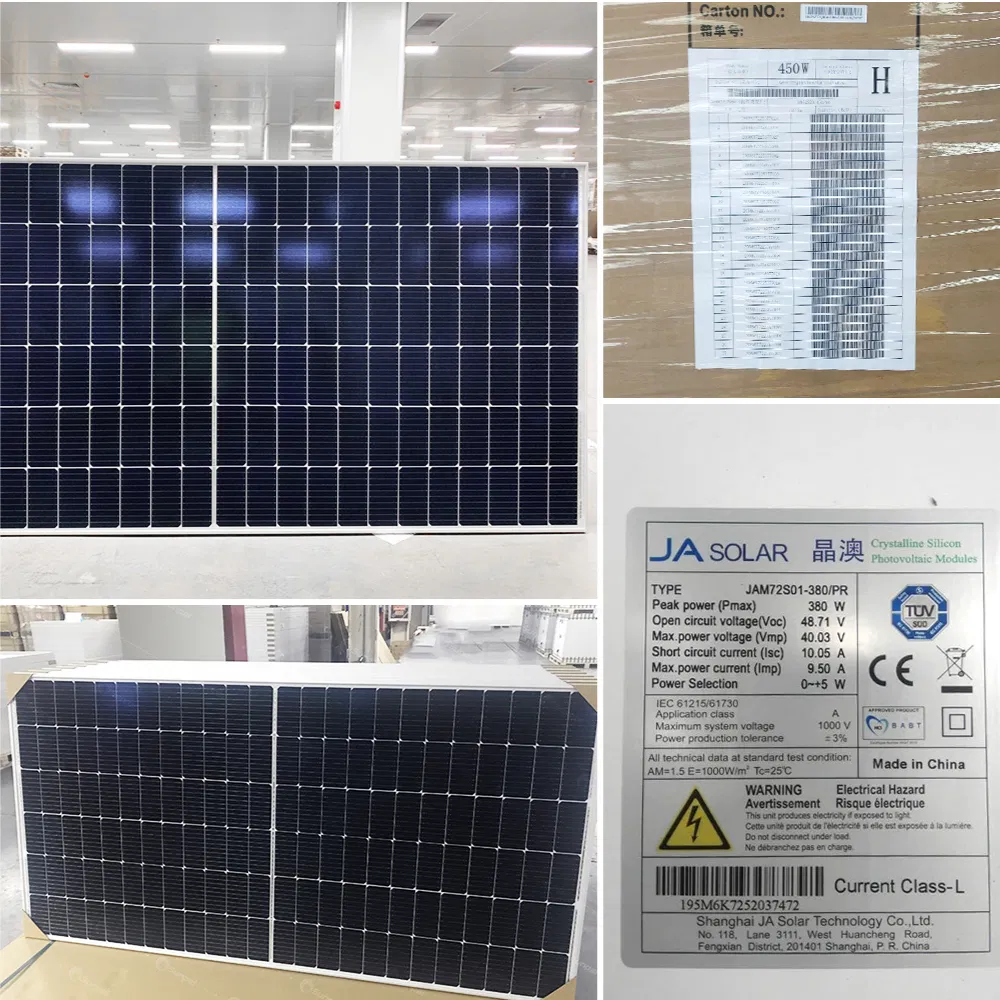
🚀 Deep Blue 4.0 & 4.0Pro Series
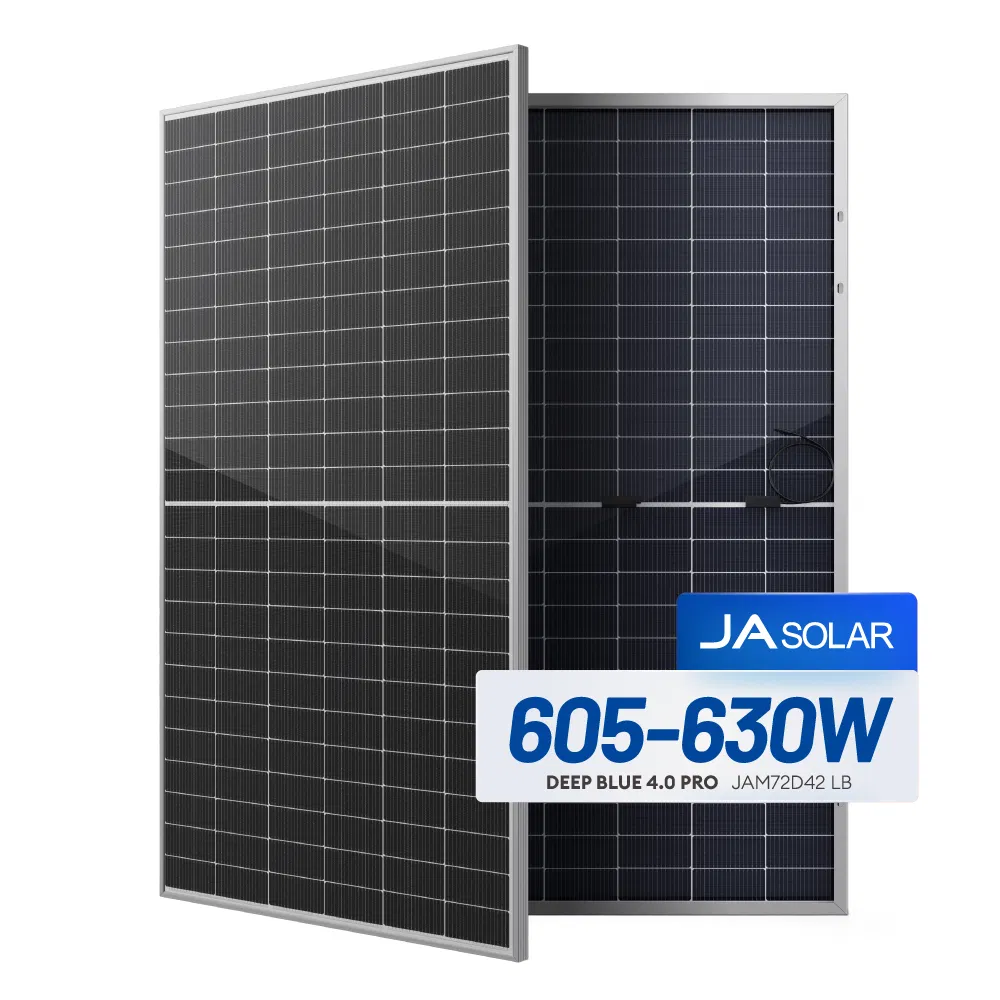
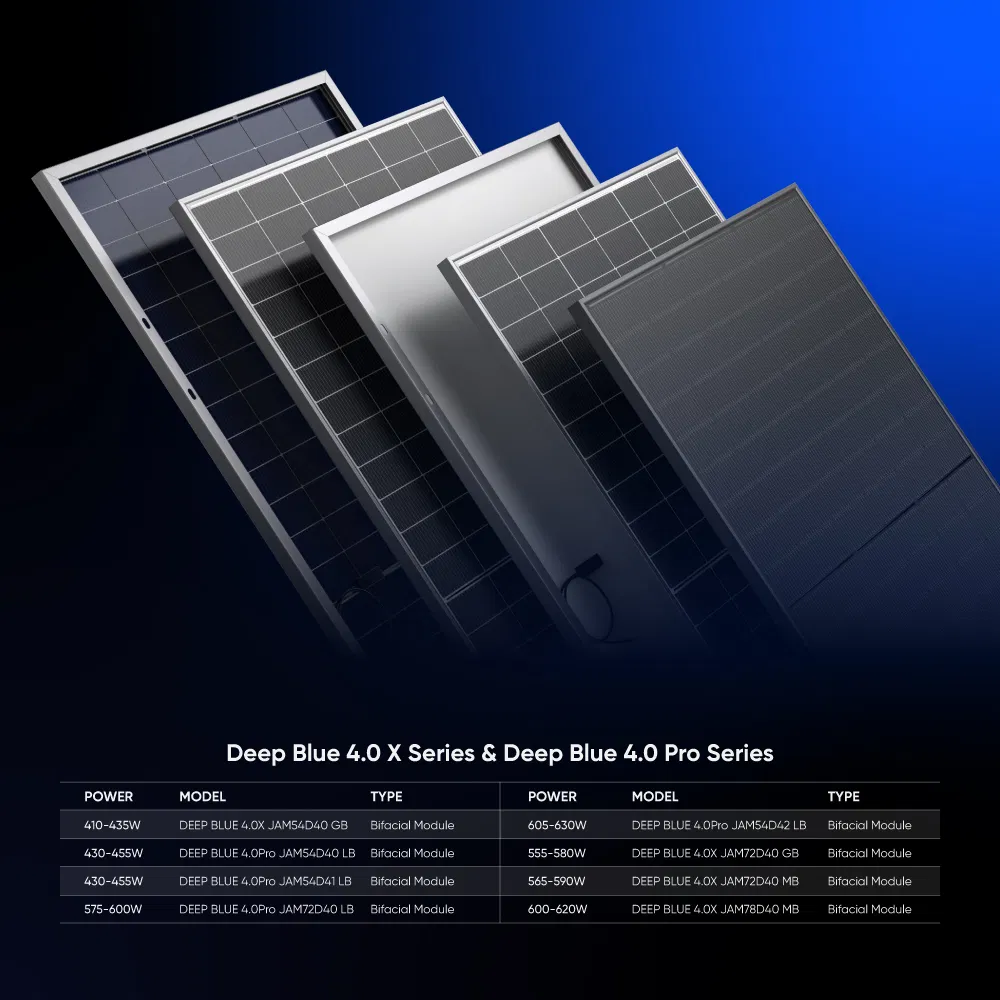
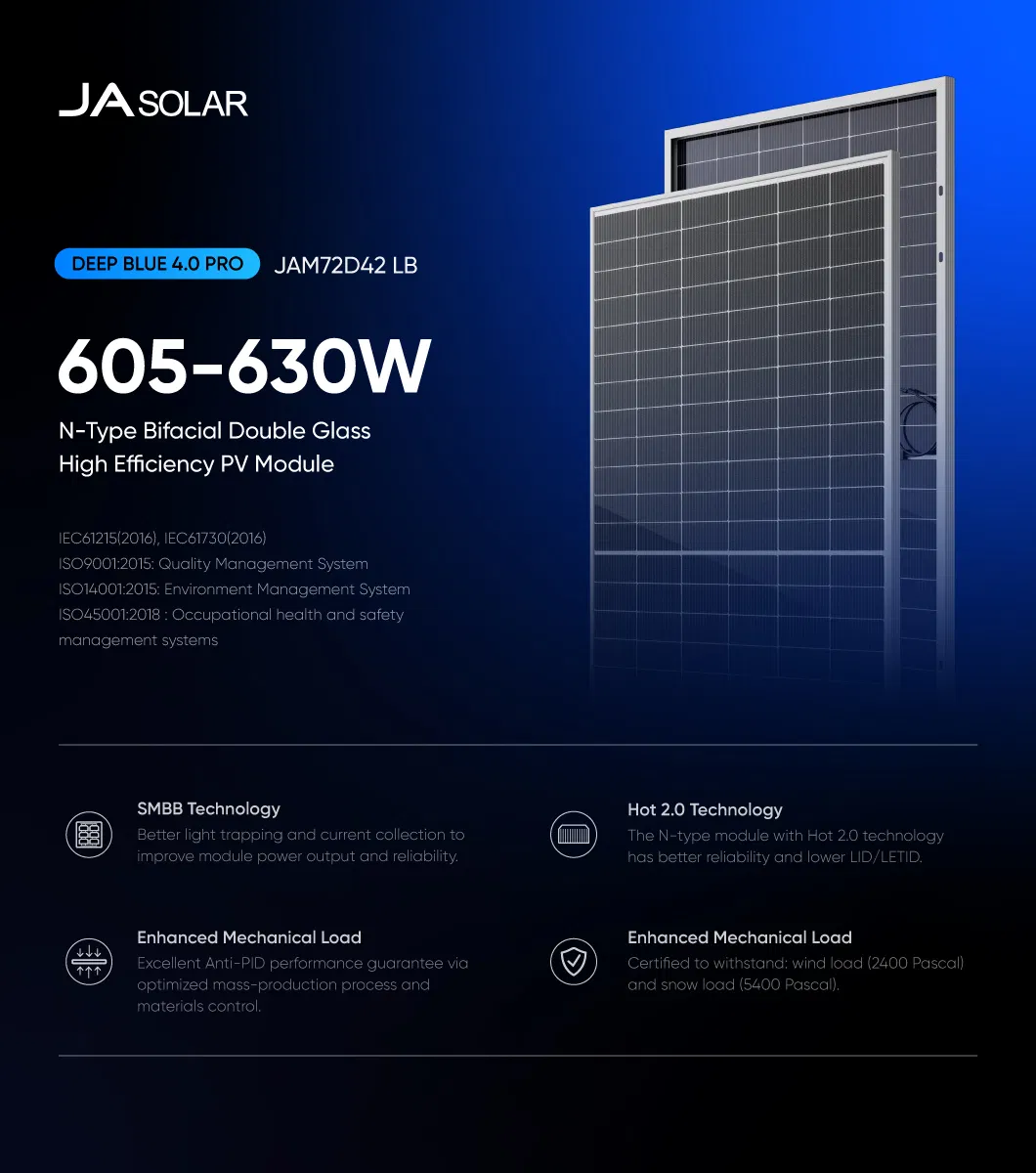
605~630W Bifacial
JAM72D42 LB
Cells Layout: 144 Half Cells(6x24)
Dimensions: 2465x1134x35mm
Weight: 34.6kg
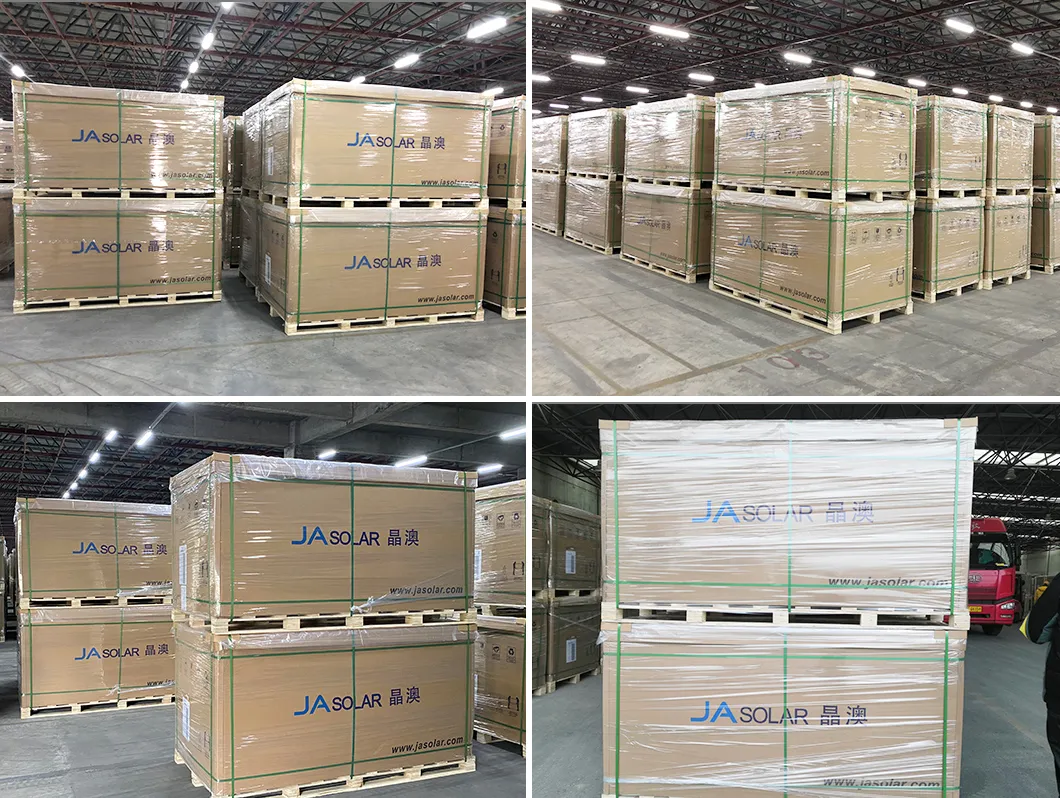
Modules per box: 31pcs
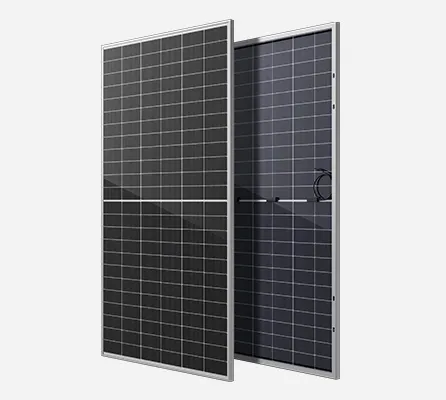
600~625W Bifacial
JAM78D42 MB
Cells Layout: 144 Half Cells(6x24)
Dimensions: 2465x1134x35mm
Weight: 34.6kg
Modules per box: 31pcs
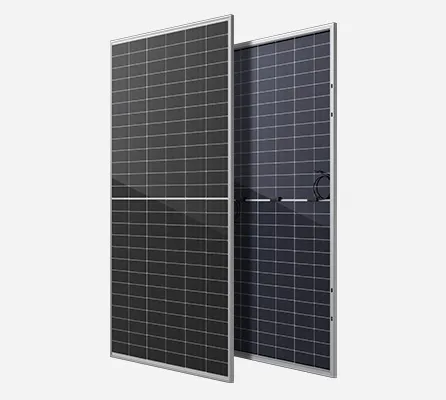
575~600W Bifacial
JAM72D40 LB
Cells Layout: 144 Half Cells(6x24)
Dimensions: 2333x1134x30mm
Weight: 32.5kg
Modules per box: 36pcs
565~590W Bifacial
JAM72D40 MB
Cells Layout: 144 Half Cells(6x24)
Dimensions: 2278x1134x30mm
Weight: 31.8kg
Modules per box: 36pcs
430~455W Bifacial
JAM54D40 LB
Cells Layout: 108 Half Cells(6x18)
Dimensions: 1762x1134x30mm
Weight: 32.0kg
Modules per box: 36pcs
❓ Frequently Asked Questions
What are the advantages of N-type Bifacial modules?
N-type modules offer higher efficiency, lower LID (Light Induced Degradation), and better performance in low-light conditions compared to traditional P-type modules. Bifacial design allows power generation from both sides, increasing total energy yield.
How does the double glass structure benefit the solar panel?
Double glass construction provides superior protection against environmental factors like moisture, salt spray, and ammonia. It enhances the mechanical durability and extends the service life of the module.
What is the significance of the 144 Half-Cell layout?
The half-cell design reduces internal resistance and shading losses. By splitting the cells, the panel generates less heat and maintains higher output even when partially shaded.
What kind of maintenance is required for these modules?
Solar panels generally require minimal maintenance. Periodic cleaning to remove dust, leaves, or debris and regular inspections of the mounting system and electrical connections are recommended to ensure optimal performance.
Are these panels compatible with standard mounting systems?
Yes, the anodized aluminum alloy frame is designed to be compatible with most residential and commercial mounting structures, supporting standard wind and snow loads.
What certifications do these solar modules hold?
These modules are certified by international standards including ISO, CB, CE, and EST, ensuring they meet rigorous safety and quality requirements for global deployment.
 Ran Solar