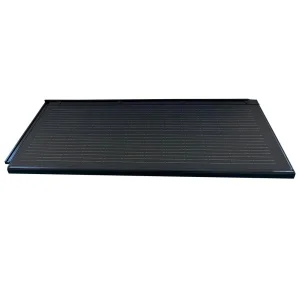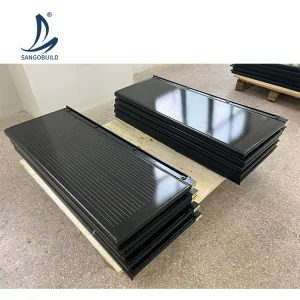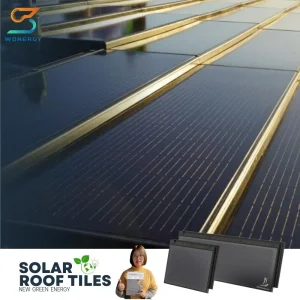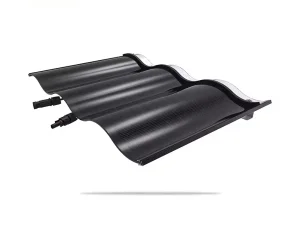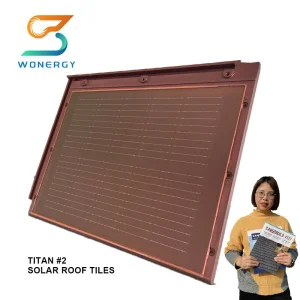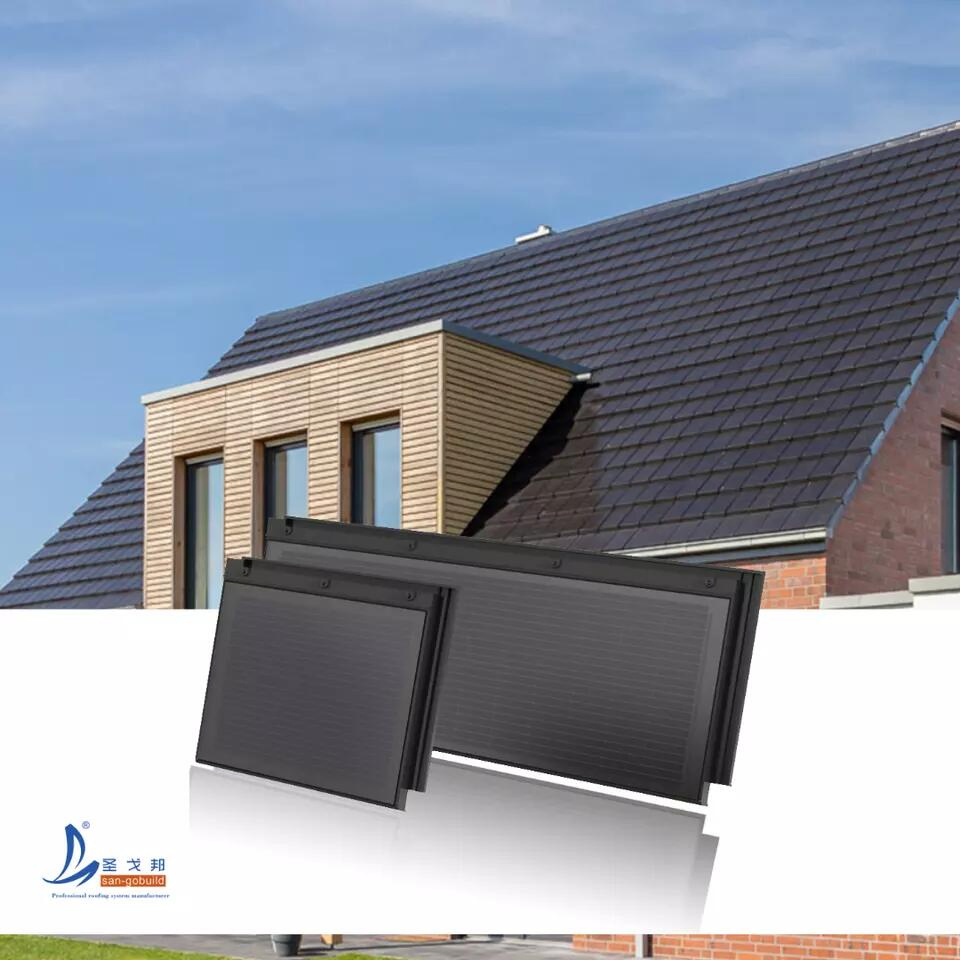
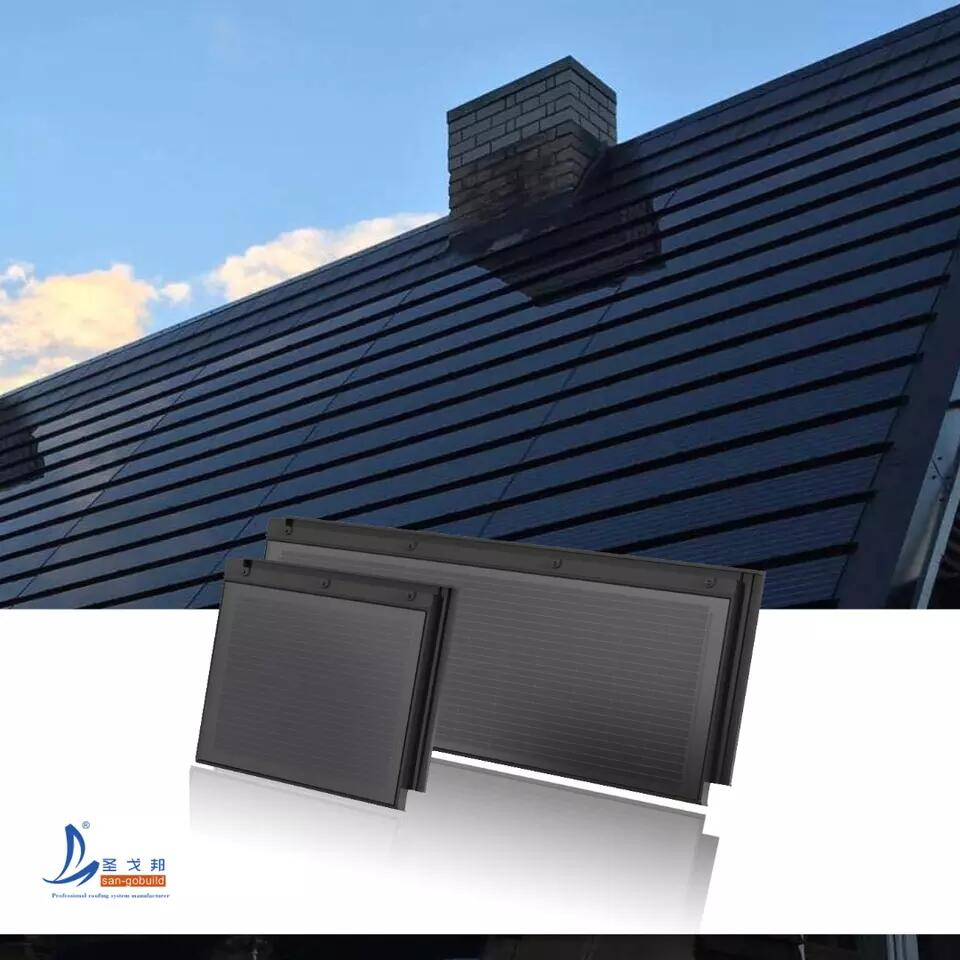
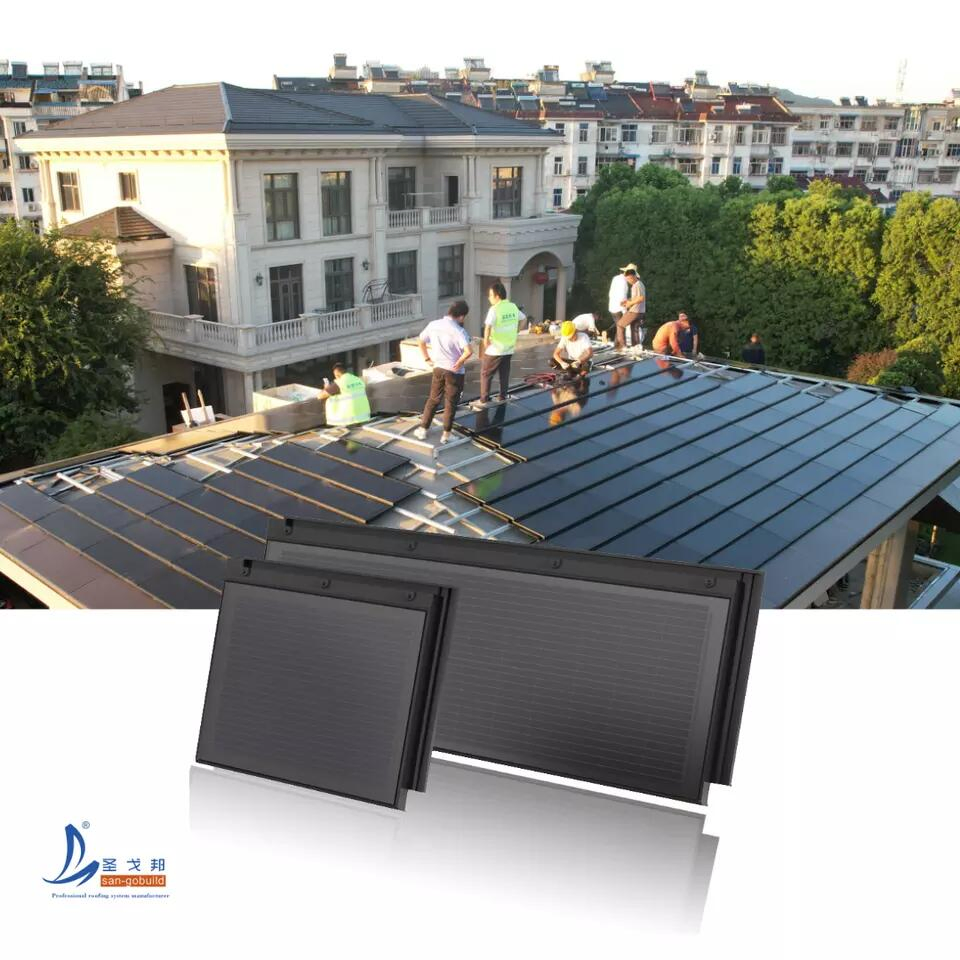
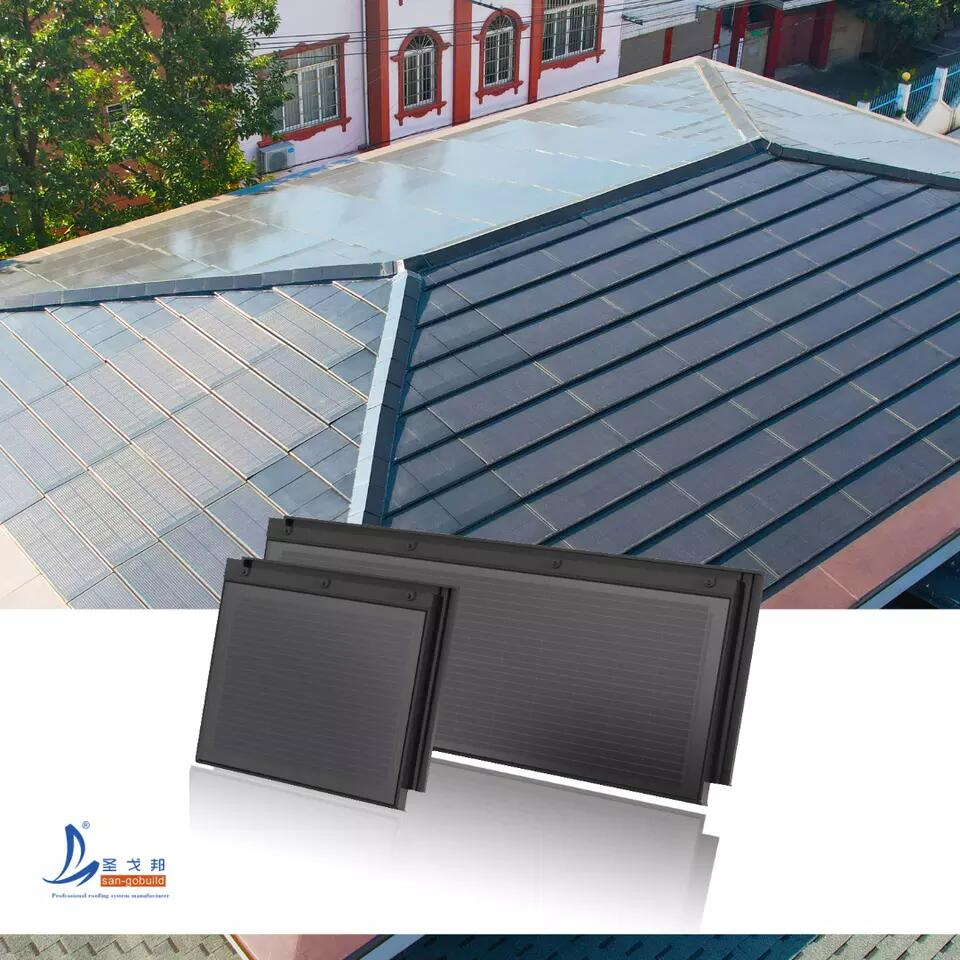
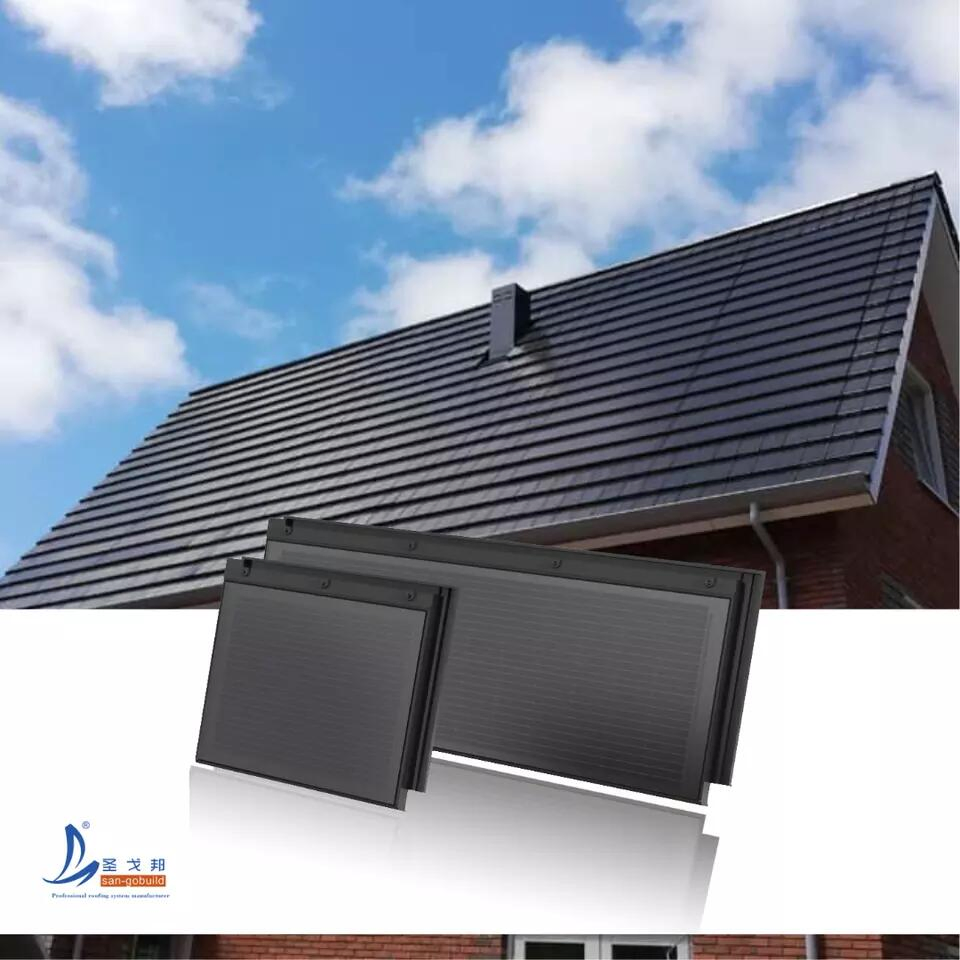
EEG Germany BIPV Solar Module Integrated & Roof Tile 2 in 1 Solar Roof Tiles

Still deciding? Get samples of $ !
Request Sample

Product Description

Basic Info
Model NO.
Solar Tile
Certification
ISO, CE, Msc, IEC
Application
Home, Industrial, Commercial
Specification
1260*480mm/630*480mm
Weight
16.5kg/9kg
Panel Efficiency
18.4%
Power Output
87W/35W
Material
Tempered Glass, PVB/EVA, Solar Cell
Product Description
Solar Roof Tile Overview
Solar Roof Tiles (BIPV) Structures

Glass / glass solar panels are the most commonly used technology in energy generating buildings. This technology so far has the highest durability rate against harsh environmental conditions and longer lifespan.
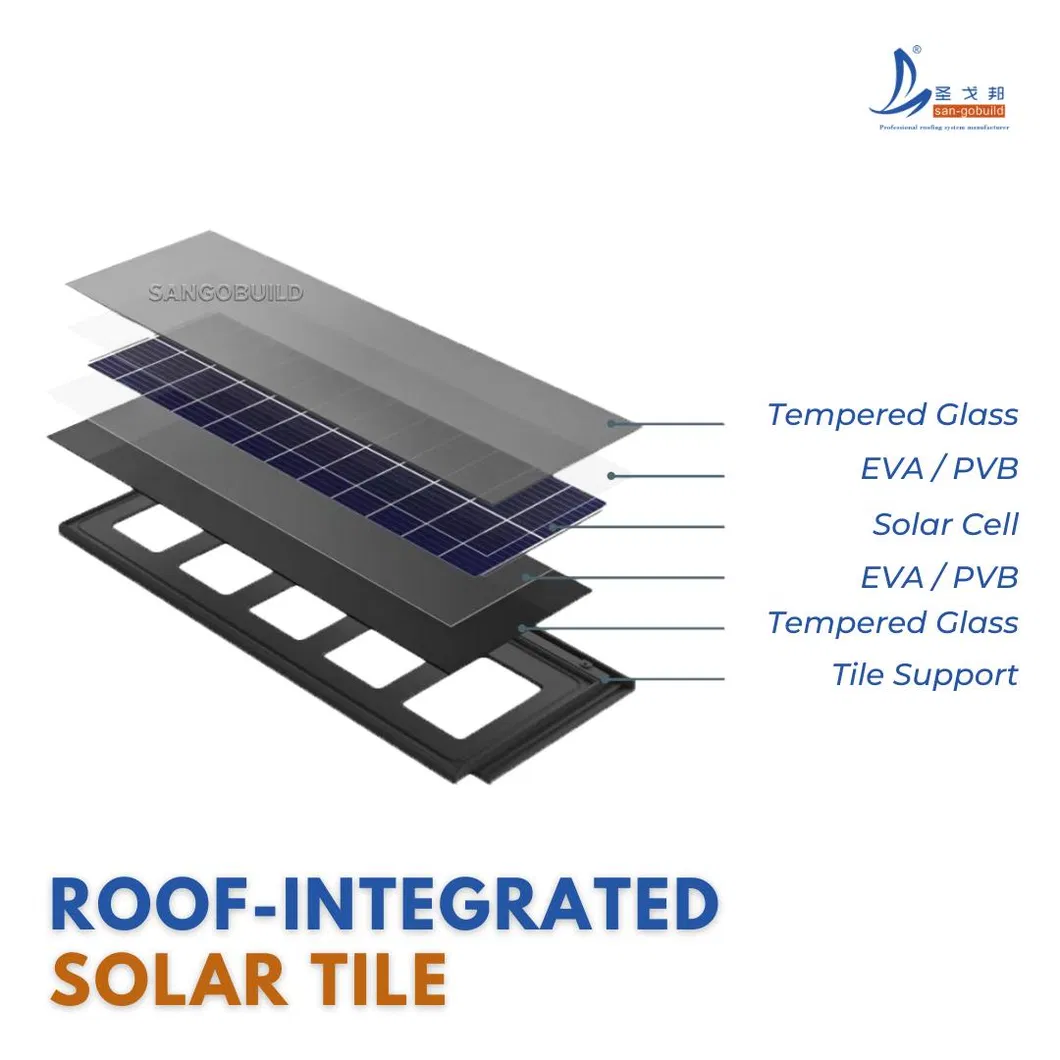
BIPV Structure Solar Tile Layer
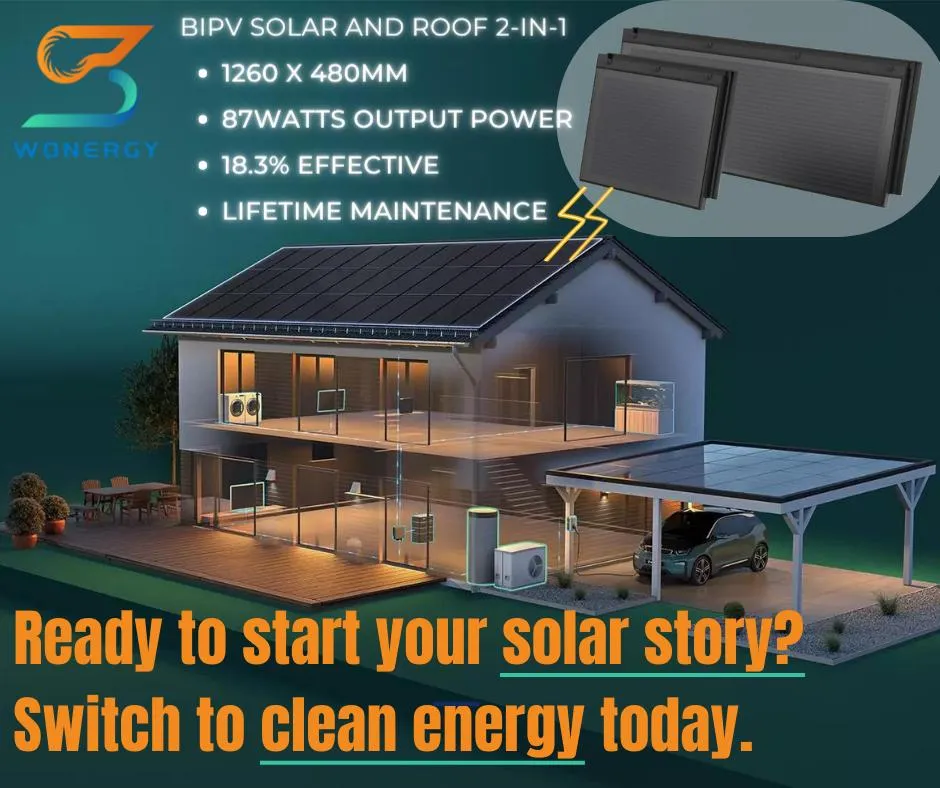
MODEL S-1 (Small Size) S-2 (Standard)
SIZE630*480mm1260*480mm
Weight9kg16.5kg
GLASS3.2mm Low-iron tempered3.2mm Low-iron tempered
Battery Size182*91mm (2*5)182*91mm (5*12)
Junction Box≥IP67≥IP67
Lifespan>30 years>30 years
Power Output35W87W
Fire RatingClass AClass A
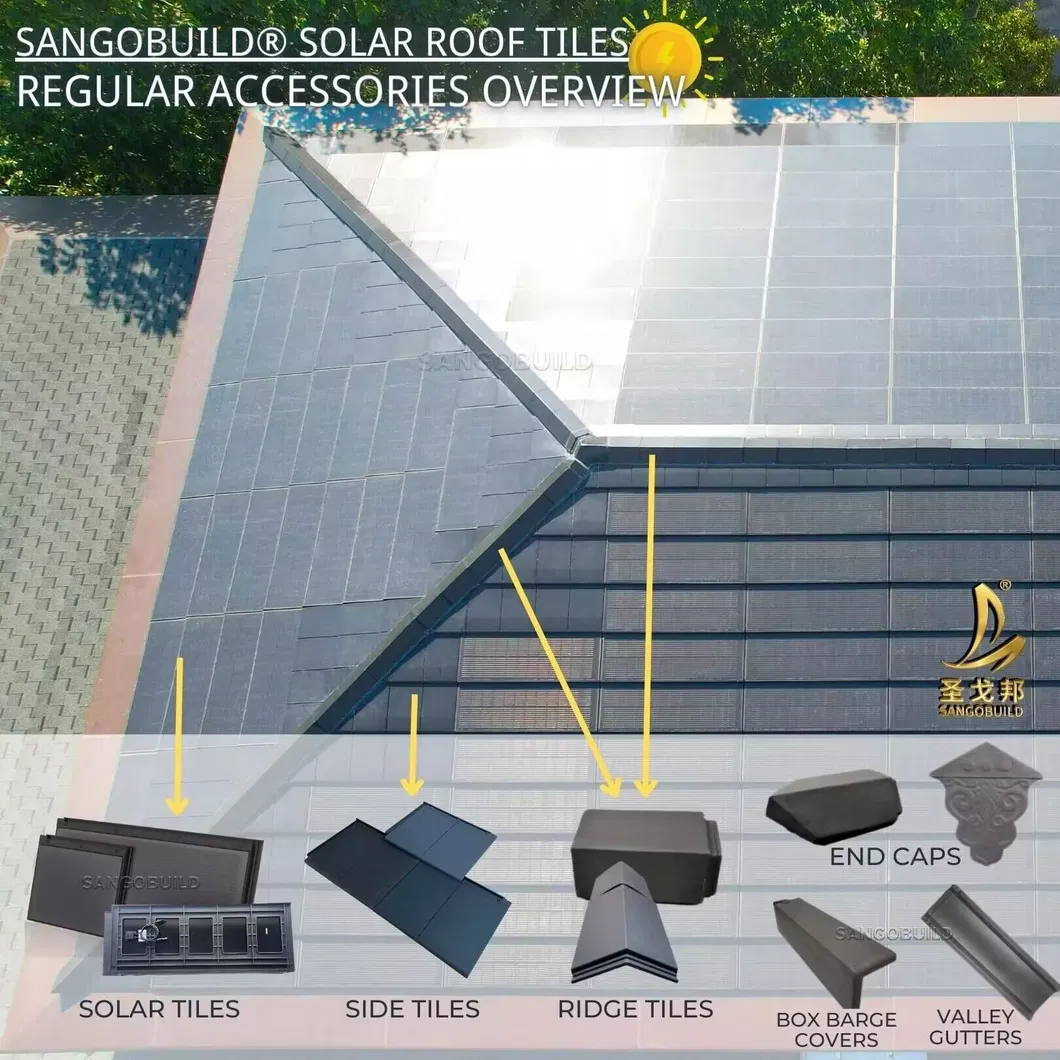
Roofing Solution

The roofing system includes accessories like ridge, valley, and barge board cover to form a full system roofing system without water leakage. It is not limited to Gable Roofs but also works on Hip Roofs and other complicated types. The side tiles and the underframe are made of the same material for a harmonious look.
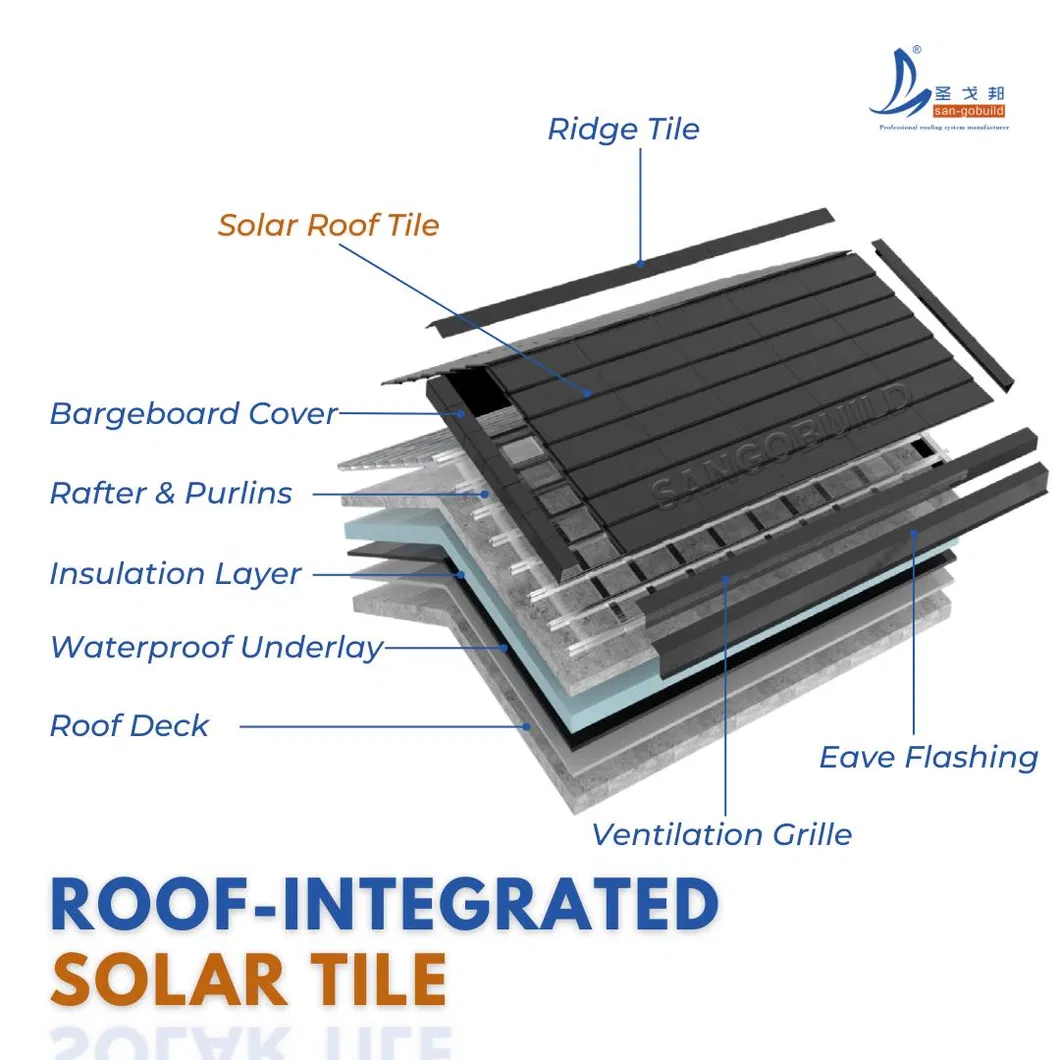
Roofing Solution Detail
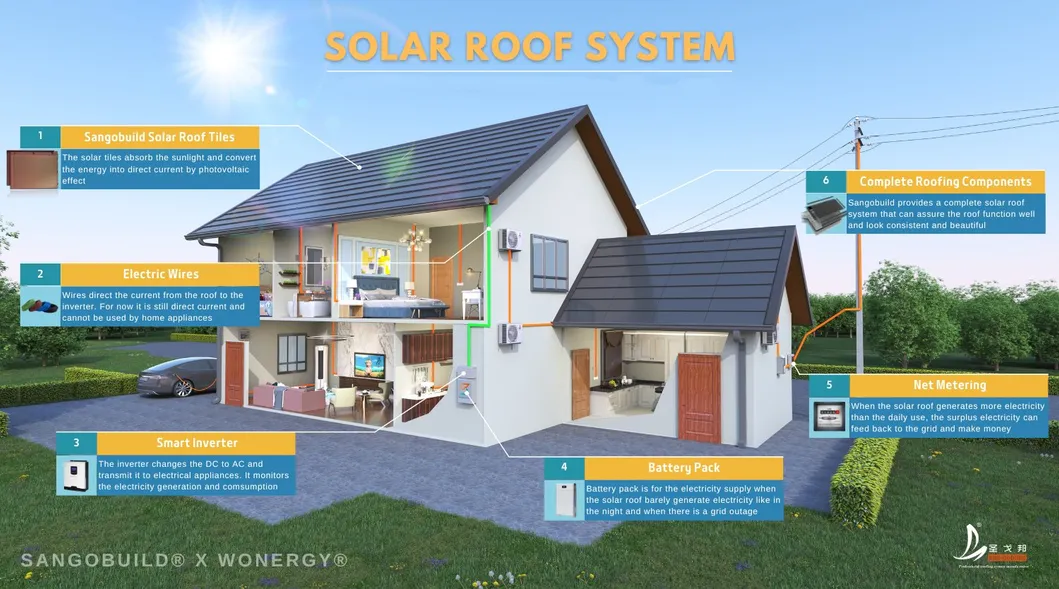
How Solar Energy Works
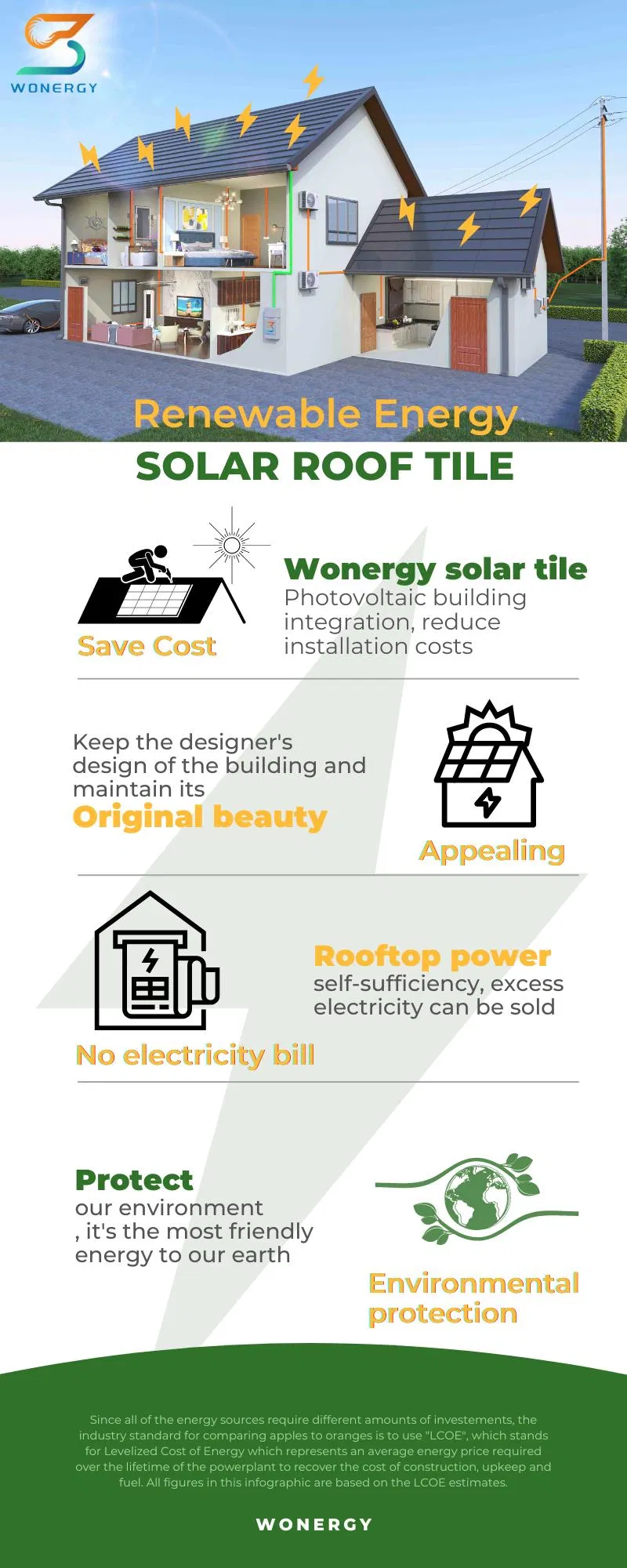
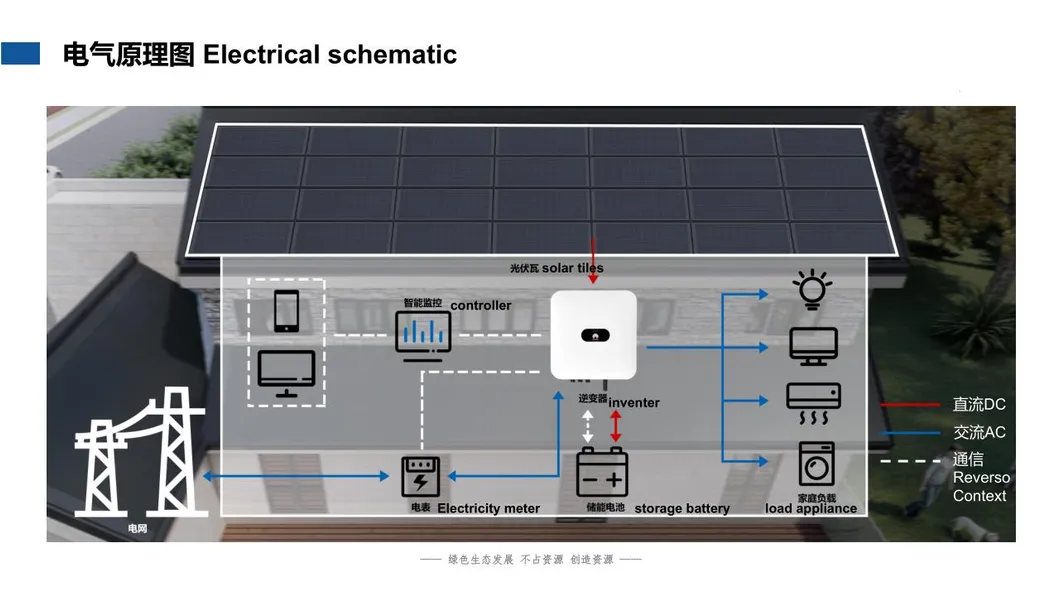
  • Sunlight hits the solar cells to generate power, converted to DC electricity.
  • Electricity enters the inverter to be converted into AC electricity for home use.
  • Excess power can be sold to the utility through net metering.
  • Excess electricity can be stored in batteries for later use.
  • Monitoring apps show real-time energy creation and savings.
Solar Energy Workflow
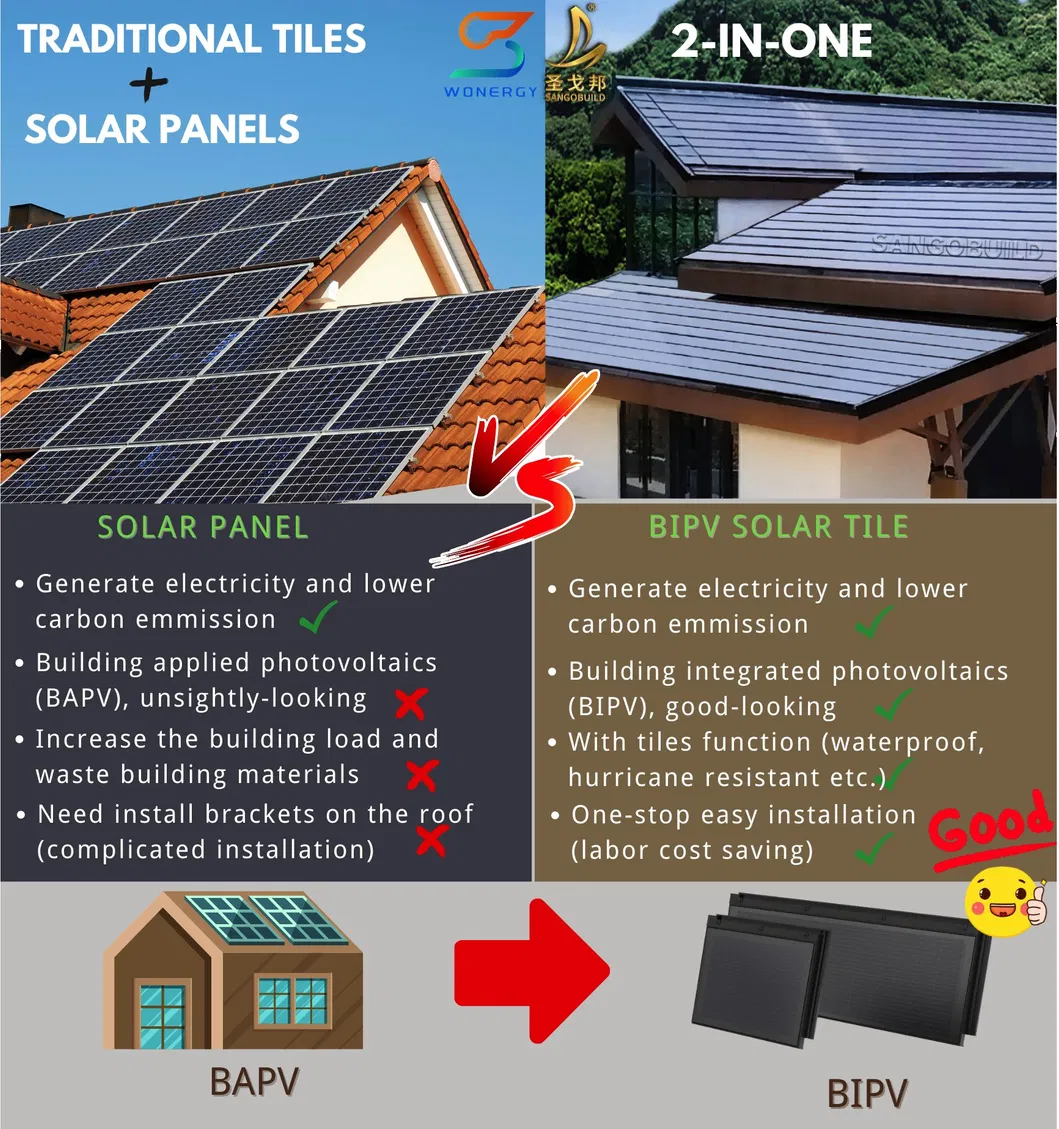
BIPV VS BAPV
Comparison BIPV (Integrated) BAPV (Applied)
MethodMaterial replaces construction elementsFitting modules to existing surfaces
FunctionPart of the integral buildingPower generation only
AppearanceBeautiful, simple, and elegantMessy, poor integrity
Lifespan60+ Years20 Years
WaterproofPremium resistanceHigher leakage risk
BIPV vs BAPV visual
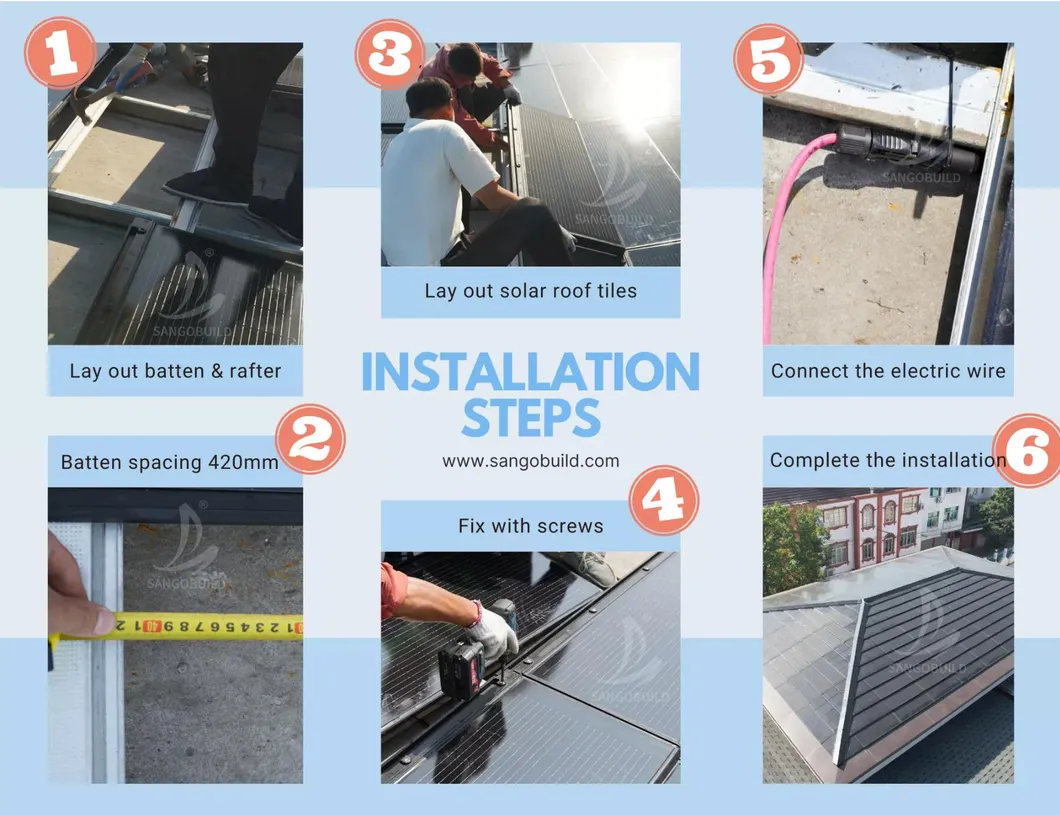
Installation & Test
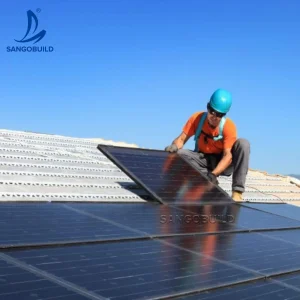
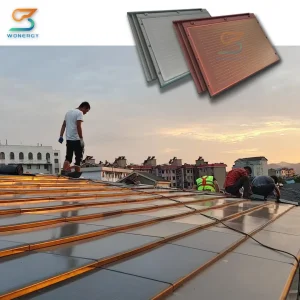
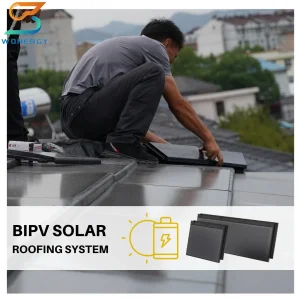
Installation 1 Installation 2
Rigorous Testing: Stampede Test, Grapeshot Hit Test, Fire Test, Temperature and Aging Test, Static Load Test.
Test Report 1 Test Report 2
Why Choose Us
Quality Advantage
  • Approved by ISO9001, CE, CCC.
  • 10+ years of R&D in smart energy.
  • Cost-effective with 138 BIPV patents.
Technology Advantage
  • Heat preservation and sound insulation.
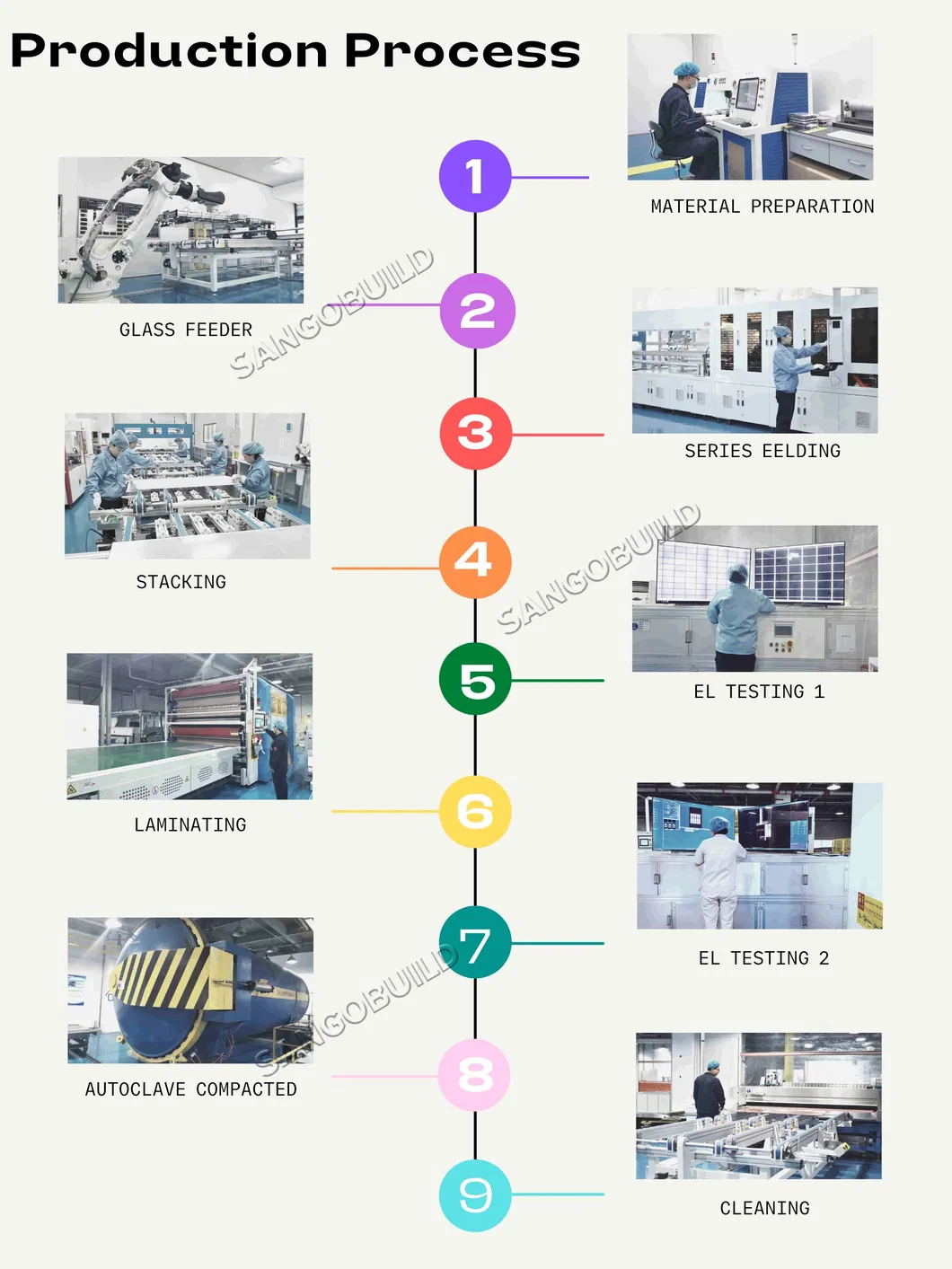
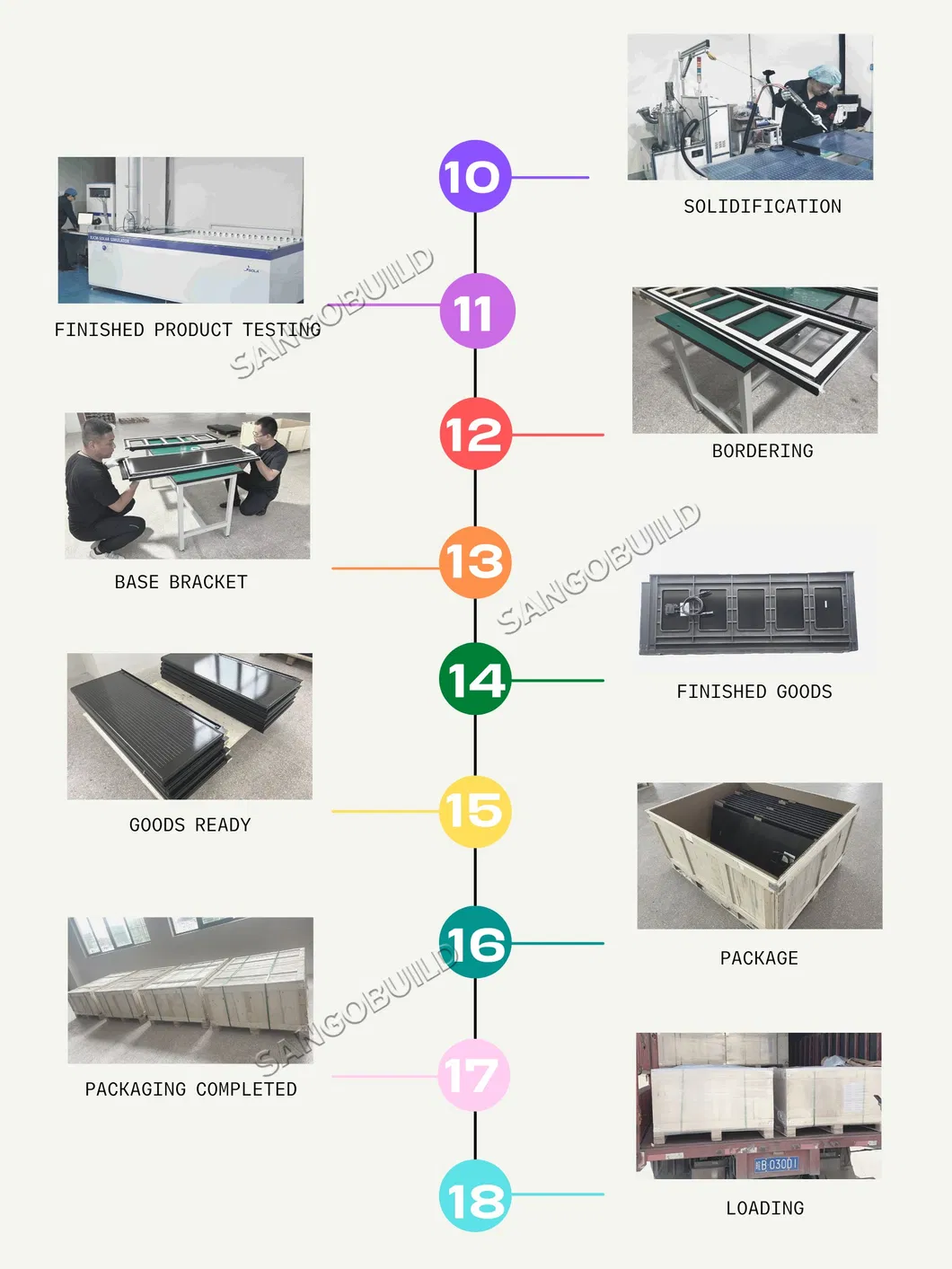
  • Independent soldering and EL testing.
  • High controllability with own equipment.
Production Advantage
Frequently Asked Questions
Where can you install Building Integrated Photovoltaics (BIPV)?
Essentially anywhere sunlight directly hits the exterior surface of your home. BIPV products can be integrated into facades, roofs, or windows seamlessly as part of the building skin.
How much energy can BIPVs produce?
The exact amount depends on environmental factors such as solar radiation (kWh/m2/day) in your area, local climate, and potential shading from trees or nearby buildings.
Are BIPVs worth the investment?
Yes. BIPV products serve a dual function by providing renewable energy while acting as a protective building material. This reduces the overall cost of autonomous solar generation by replacing standard roofing materials.
How long do solar roof tiles last?
Solar shingles are highly durable and designed to last 25-30 years. They are often more durable than traditional asphalt shingles, which typically require replacement every 15 years.
What is the fire and weather rating for these tiles?
Our solar tiles carry a Class A fire rating (the highest available) and are tested for high wind resistance and hail impact, ensuring safety in extreme conditions.
Can they be used on complicated roof types?
Yes. With cuttable side tiles and a comprehensive accessory system, they can be installed on Gable roofs, Hip roofs, and other complex architectural designs.

Related Products