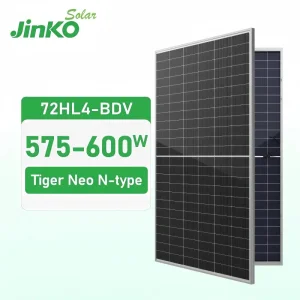
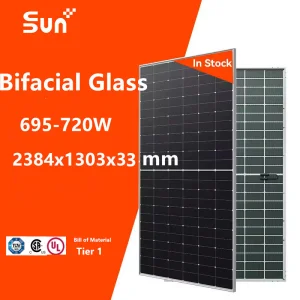
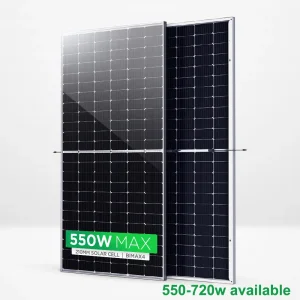
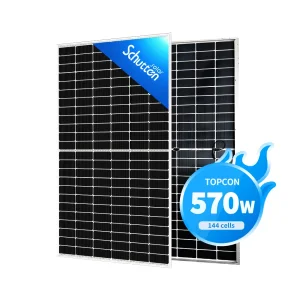
Introduction:
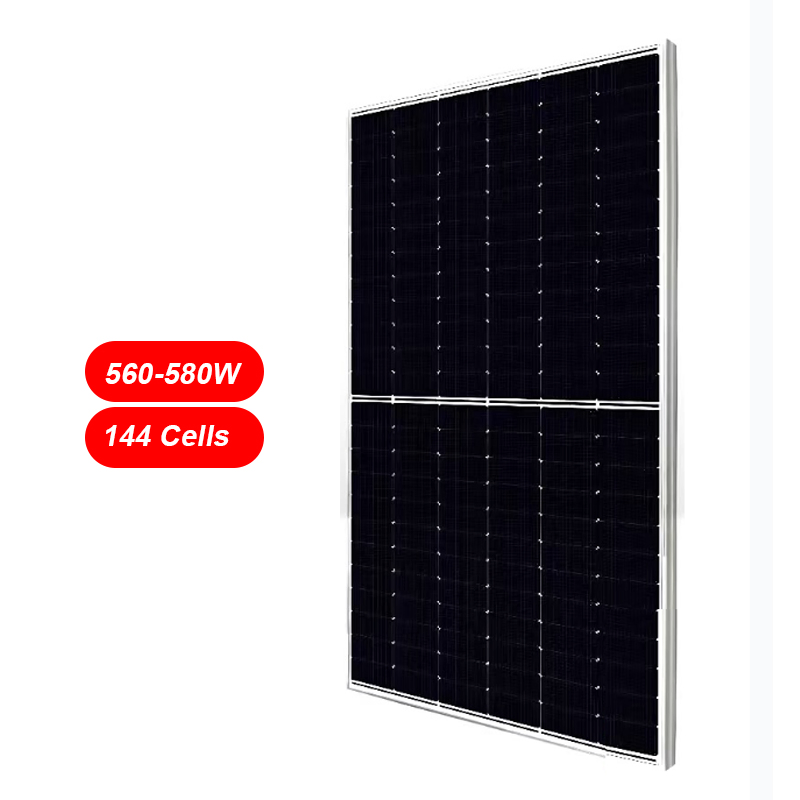
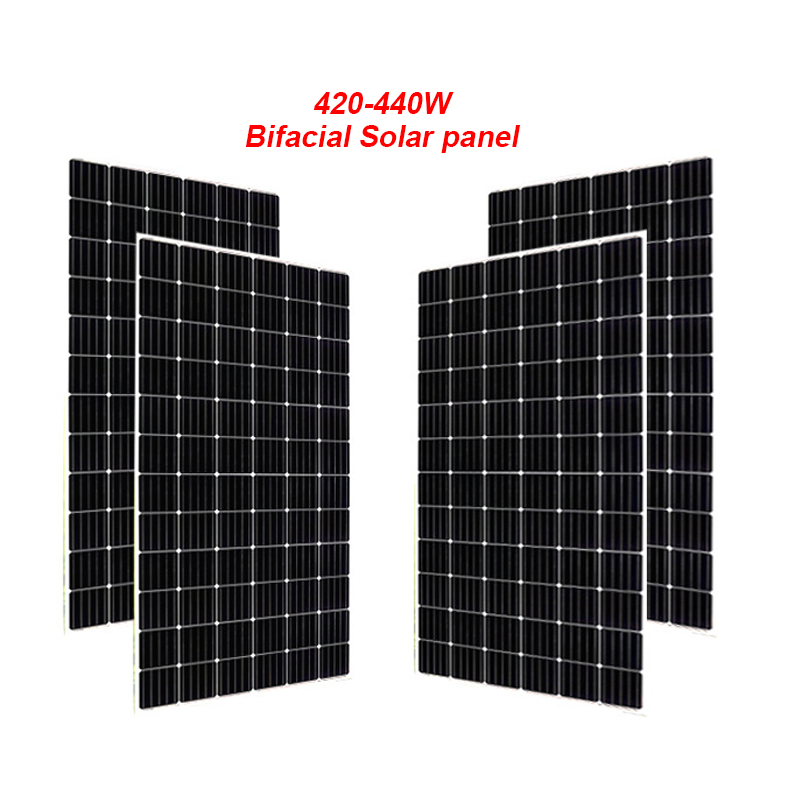
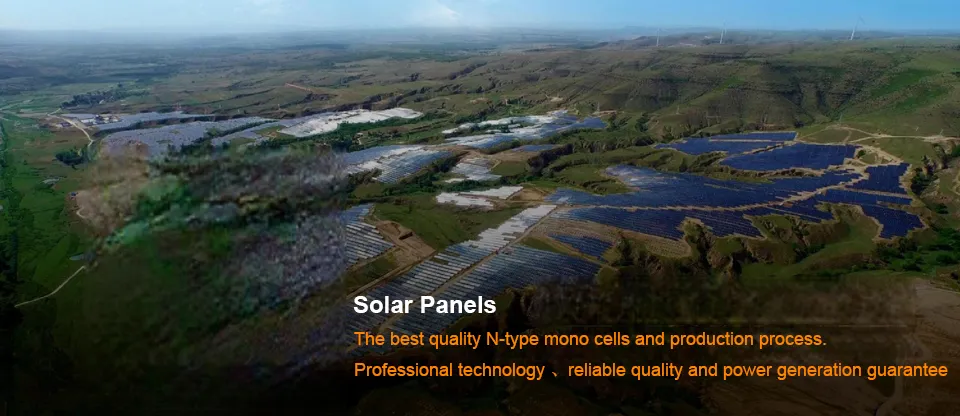
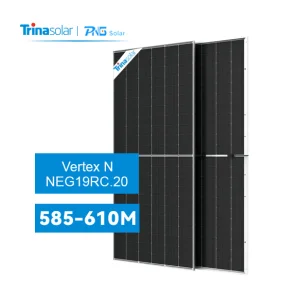
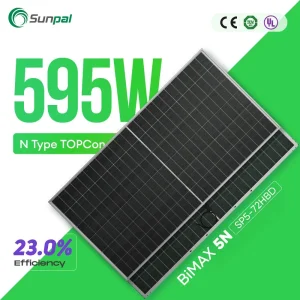
Solar Panels are optoelectronic semiconductor wafers that directly generate electricity using sunlight, also known as "solar chips" or "photovoltaic cells". As long as they meet certain illumination conditions, they can instantly output voltage and generate current within a circuit. These devices convert light energy into electrical energy through photoelectric or photochemical effects. Crystalline silicon solar cells are the mainstream technology in the current market.
Higher Durability
The multi-busbar design decreases the risk of cell micro-cracks and broken fingers.
High Power Density
High conversion efficiency and more power output per square meter via lower series resistance.
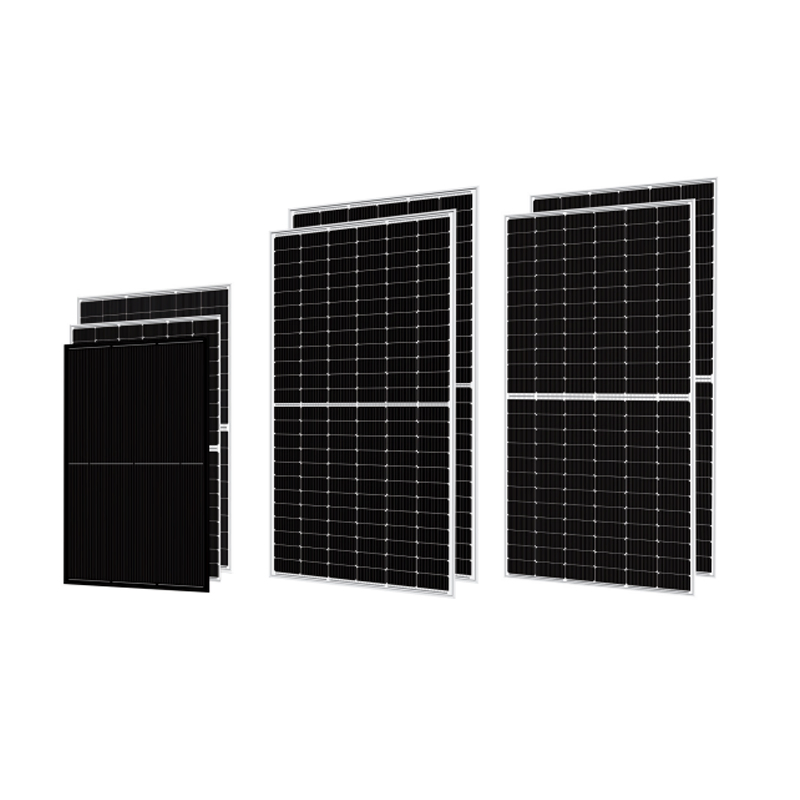
Half-cell Design
Less energy loss caused by shading and lower connection power loss.
Power Guarantee:
First year attenuation ≤ 2%, years 2-25 annual attenuation ≤ 0.55%. Large size cell design effectively increases module peak power and reduces BOS costs.
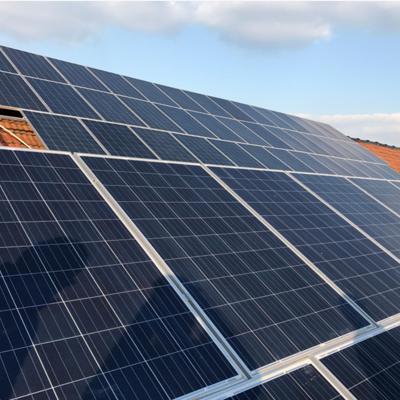
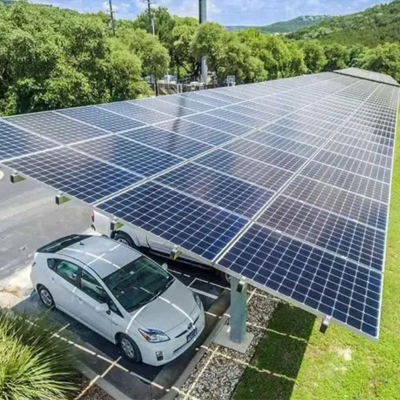
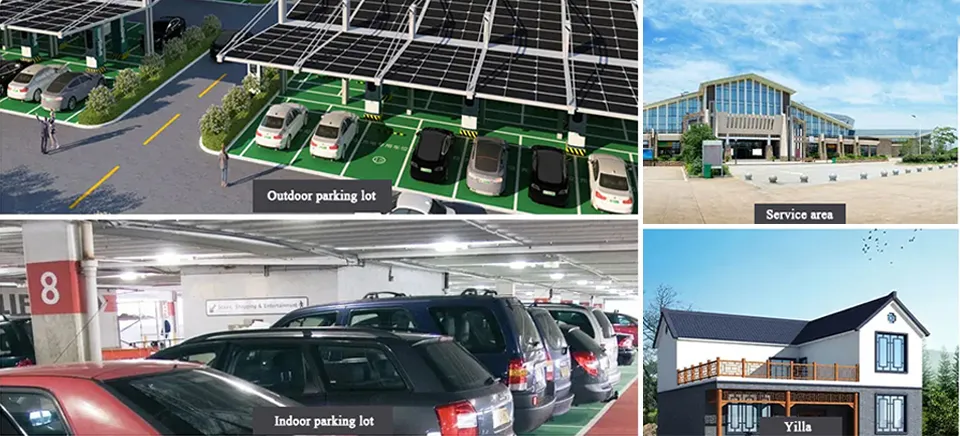
1. Residential & CommercialPower supply for homes and business buildings.
2. Agriculture & RemoteElectricity for farming and isolated regions.
3. Public FacilitiesTransportation systems and public infrastructure.
4. Emergency UseSpecial environments and emergency power backup.
?
Frequently Asked Questions
What is the advantage of N-type monocrystalline silicon?
N-type cells offer higher conversion efficiency, lower temperature coefficients, and significantly lower Light Induced Degradation (LID) compared to traditional P-type cells, ensuring better long-term performance.
How long is the power warranty for these panels?
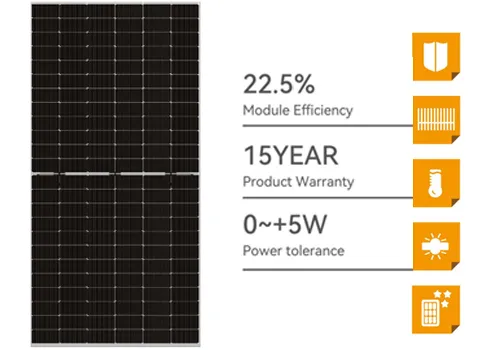
We provide a 25-year linear power guarantee. The first-year attenuation is less than 2%, and the annual attenuation from year 2 to 25 is less than 0.55%.
Can these solar panels withstand extreme weather conditions?
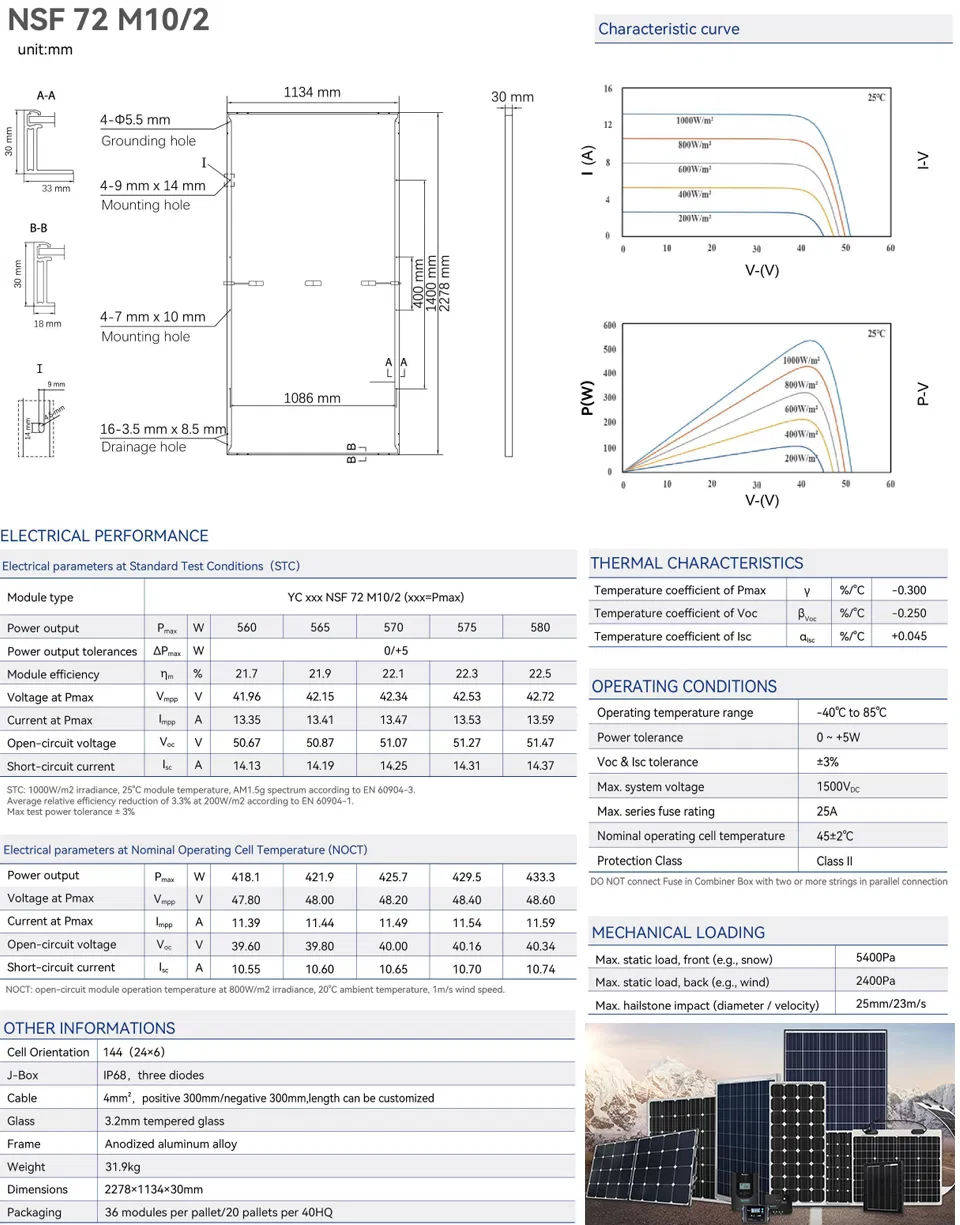
Yes, the panels are designed to operate in temperatures ranging from -40℃ to 85℃ and feature a Class II protection rating with durable dual-glass construction.
What does the half-cell design do?
The half-cell design reduces internal current and resistance losses. It also improves performance under partial shading conditions due to the split junction box and unique cell string layout.
How are the modules packaged for international shipping?
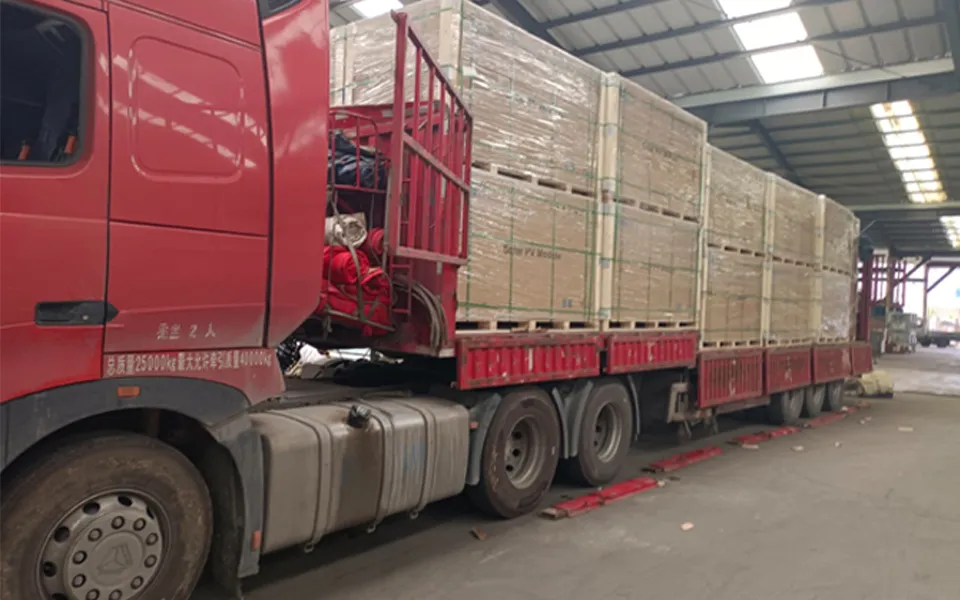
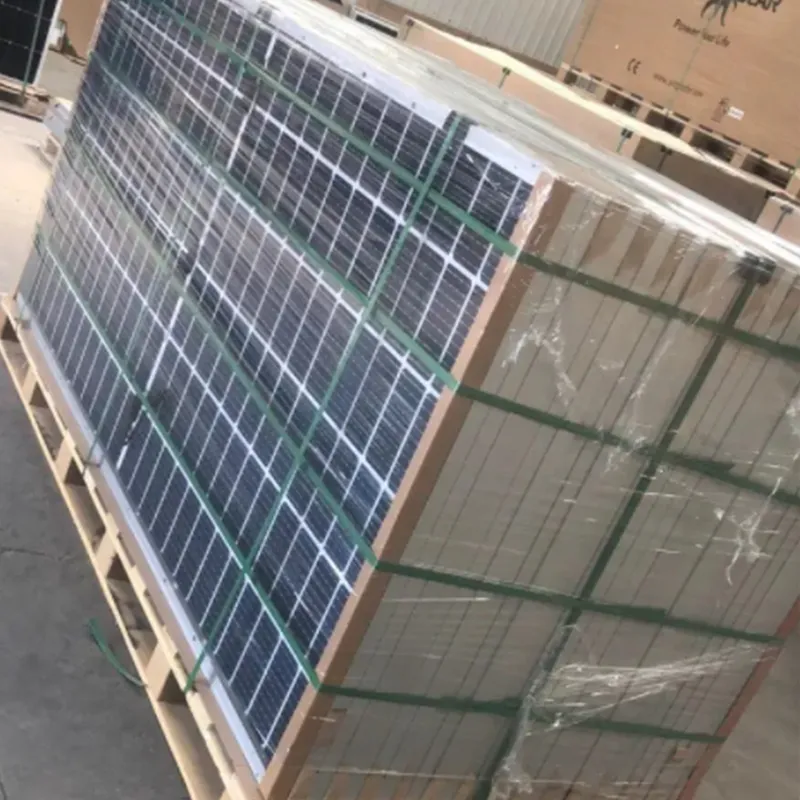
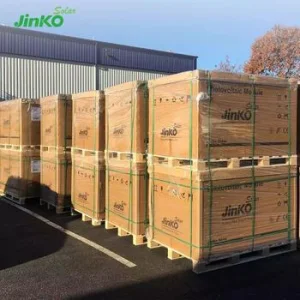
Modules are securely packed with 36 modules per pallet. A standard 40HQ container typically accommodates 20 pallets, ensuring safe and efficient bulk transportation.
Are these panels suitable for residential use?
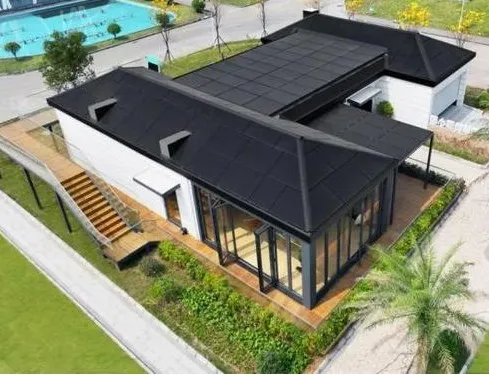
Absolutely. While they offer high output for industrial applications, their high efficiency and power density make them an excellent choice for home rooftop installations where space may be limited.
 Ran Solar