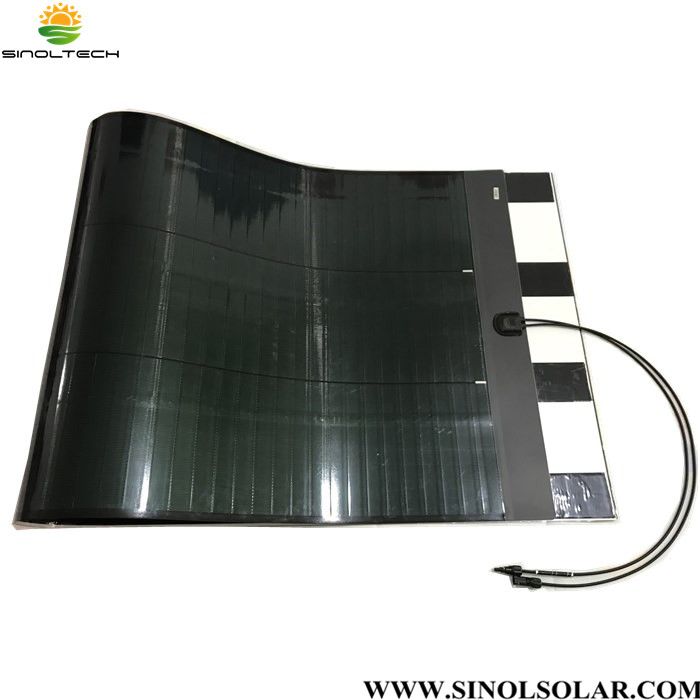
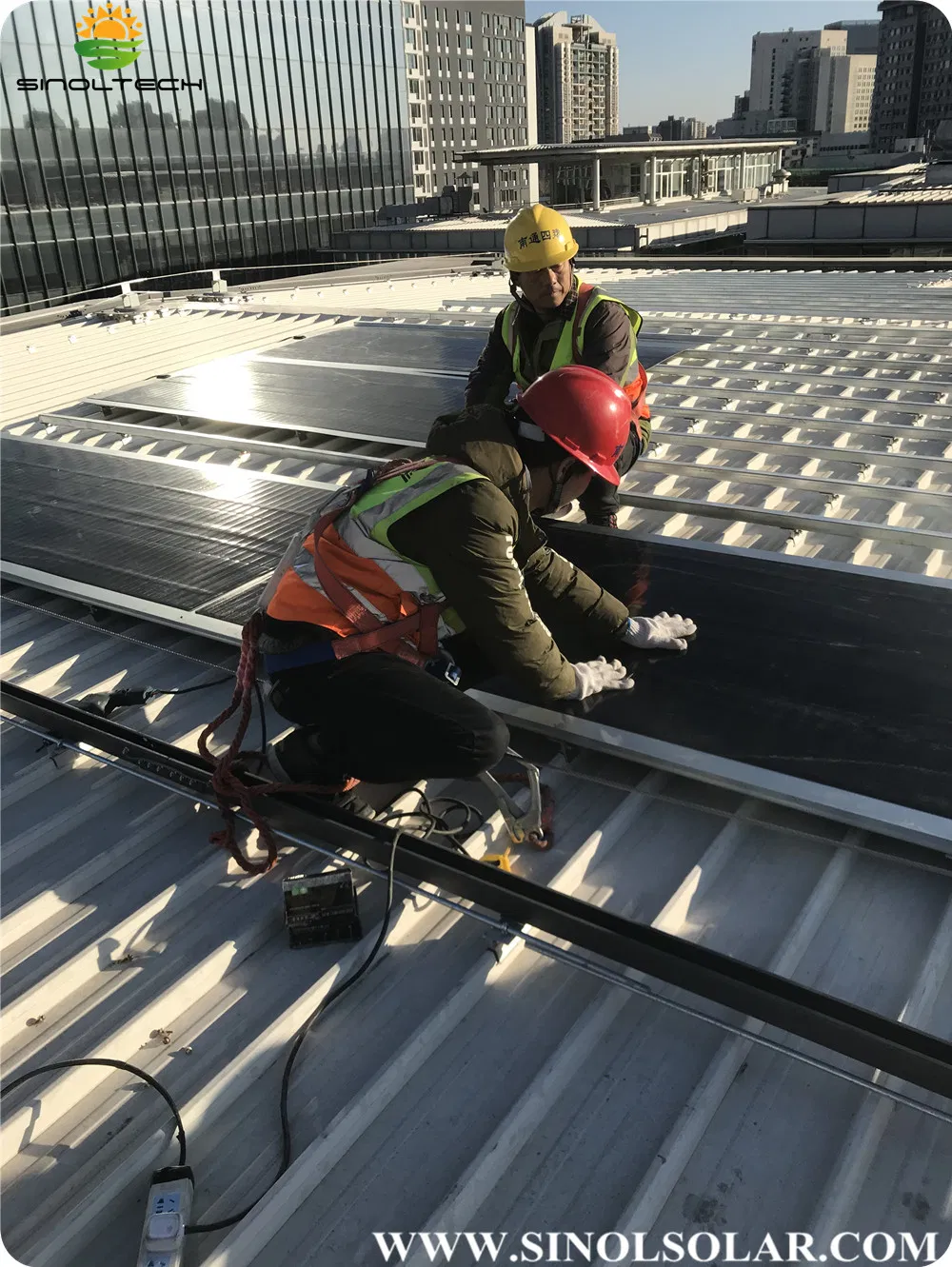
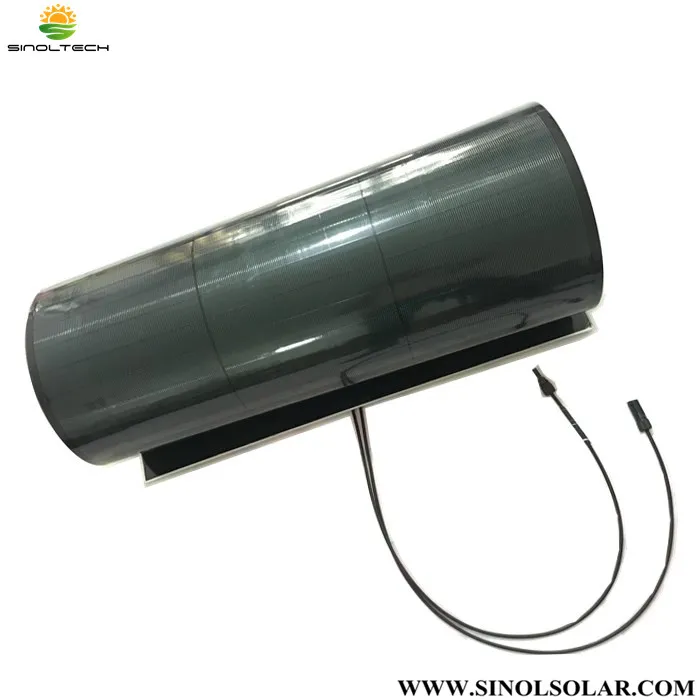
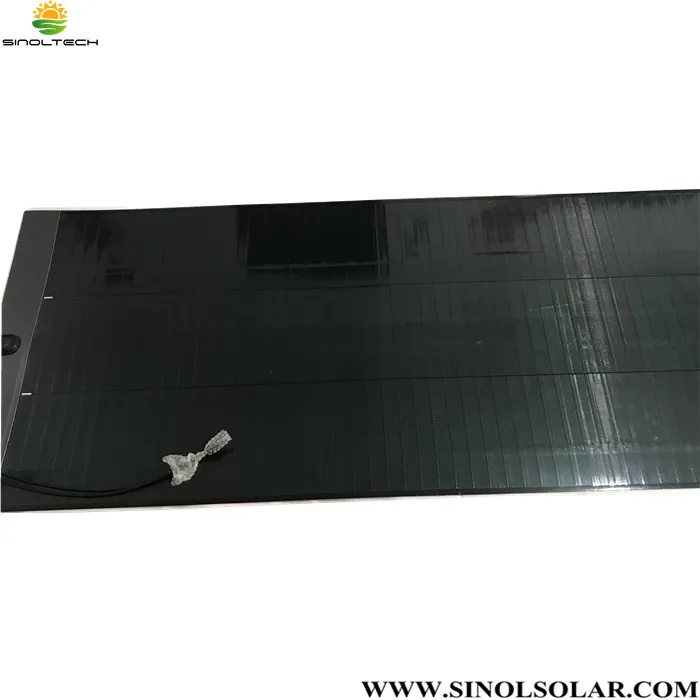
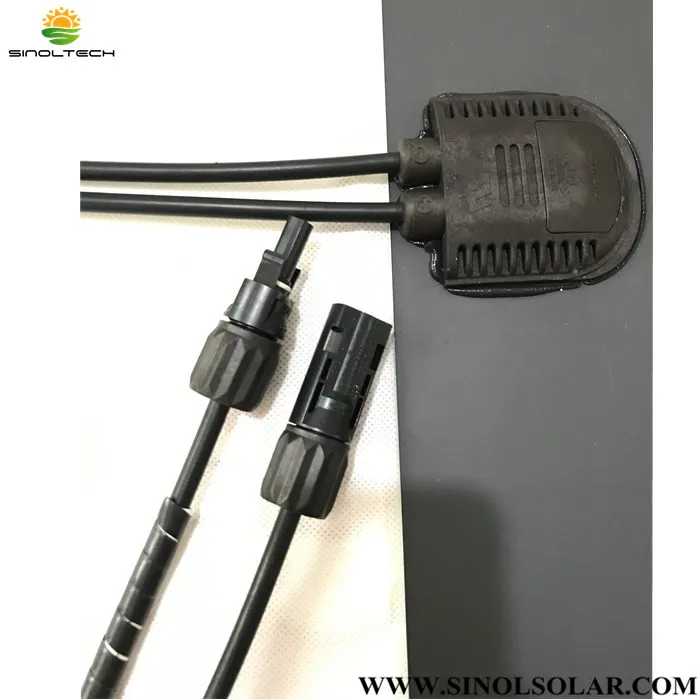
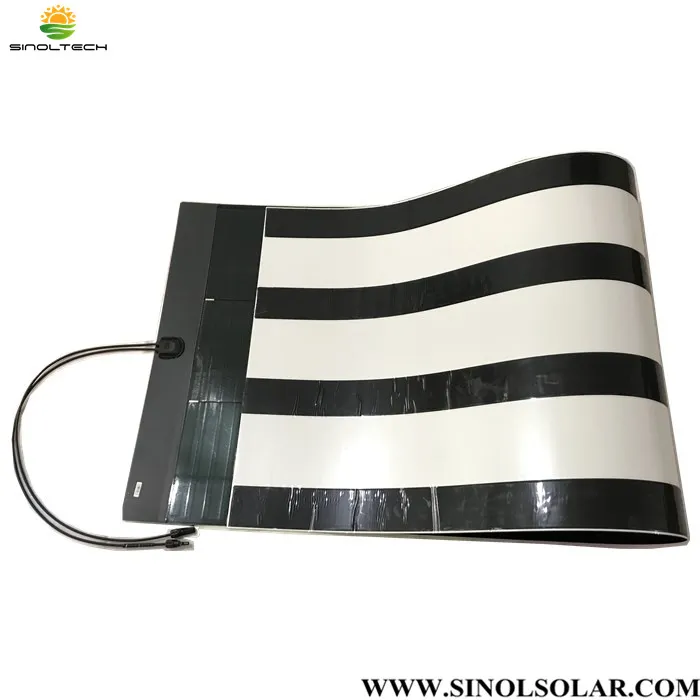
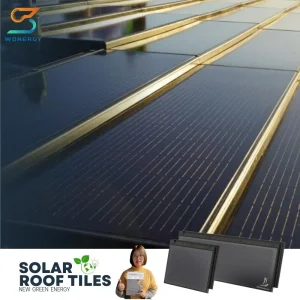
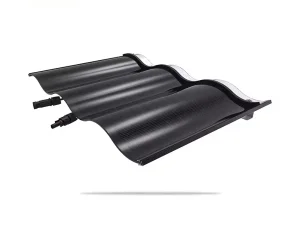
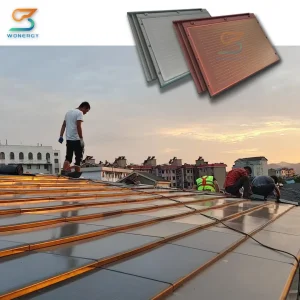
Our flexible solar panel adopts CIGS technology, which has an aperture efficiency as high as 17%, rivaling that of rigid glass panels.
✓
Advanced Manufacturing: We use high-grade stainless steel foil and a semiconductor deposition process (PVD) to produce powerful flexible CIGS cells. Protected by special water barrier plastics and internal aluminum film.
✓
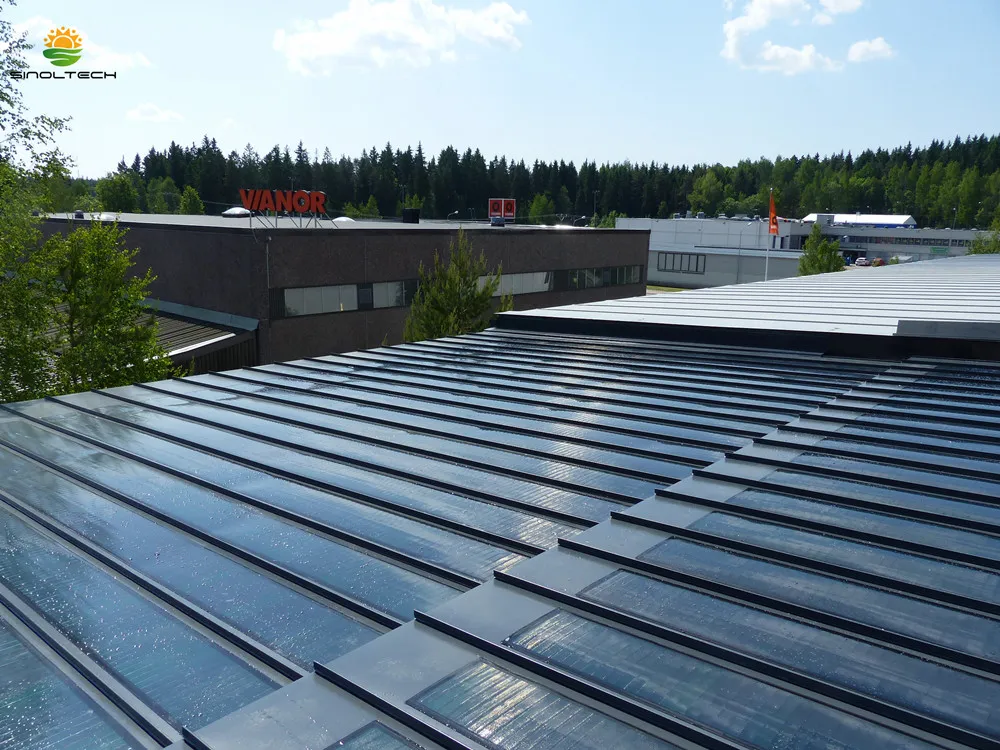
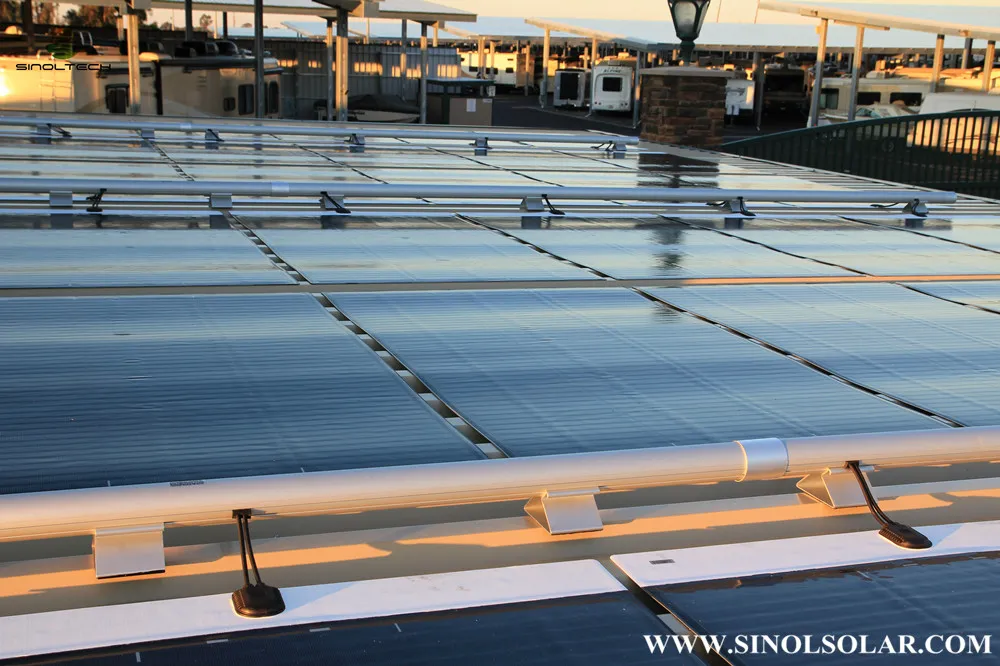
Lightweight Design: Less than 2.4 kg/m². Ideal for structures with low dead load limitations like snow or mobile applications (RVs, trucks).
✓
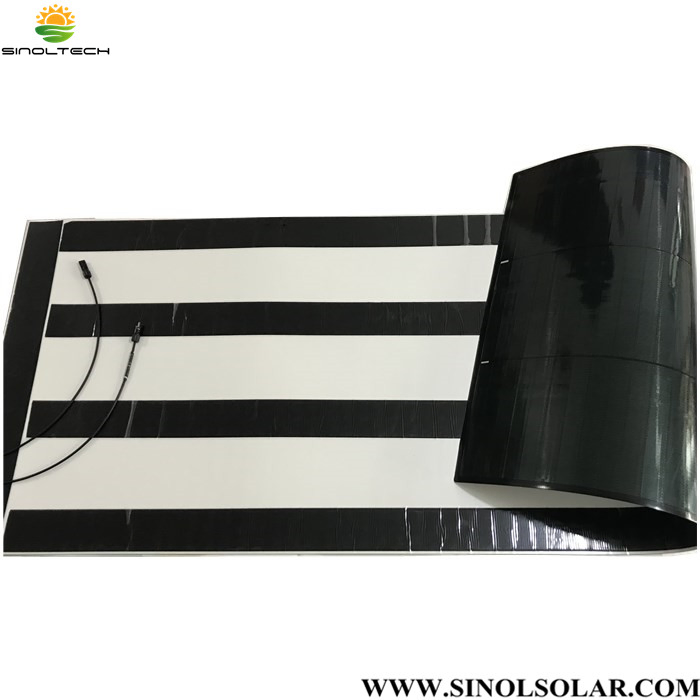
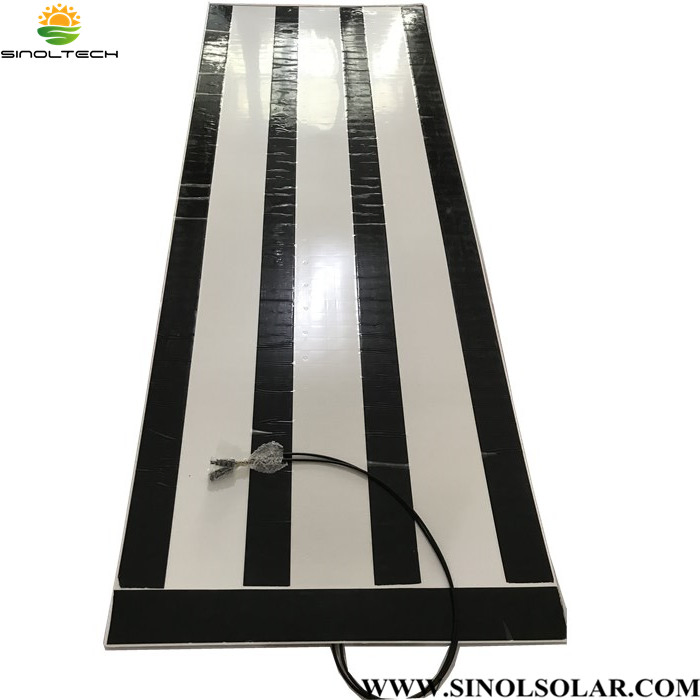
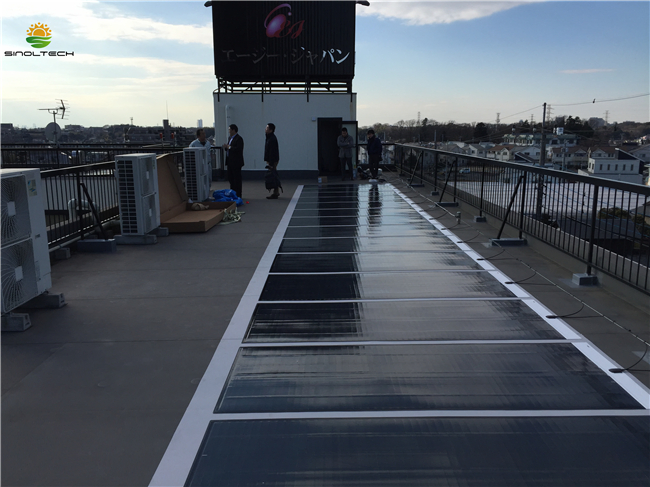
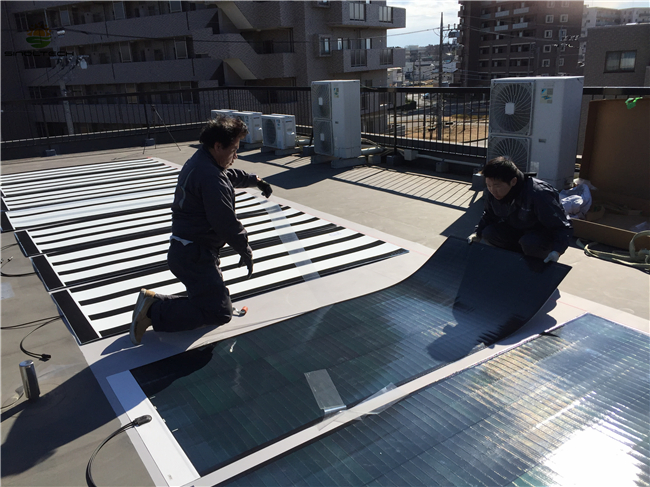
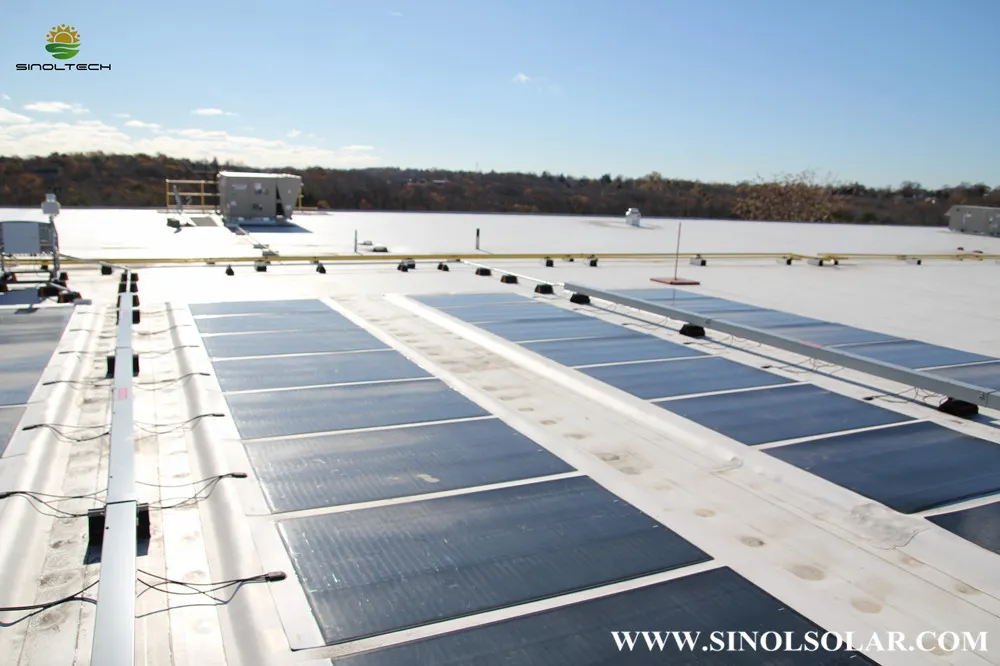
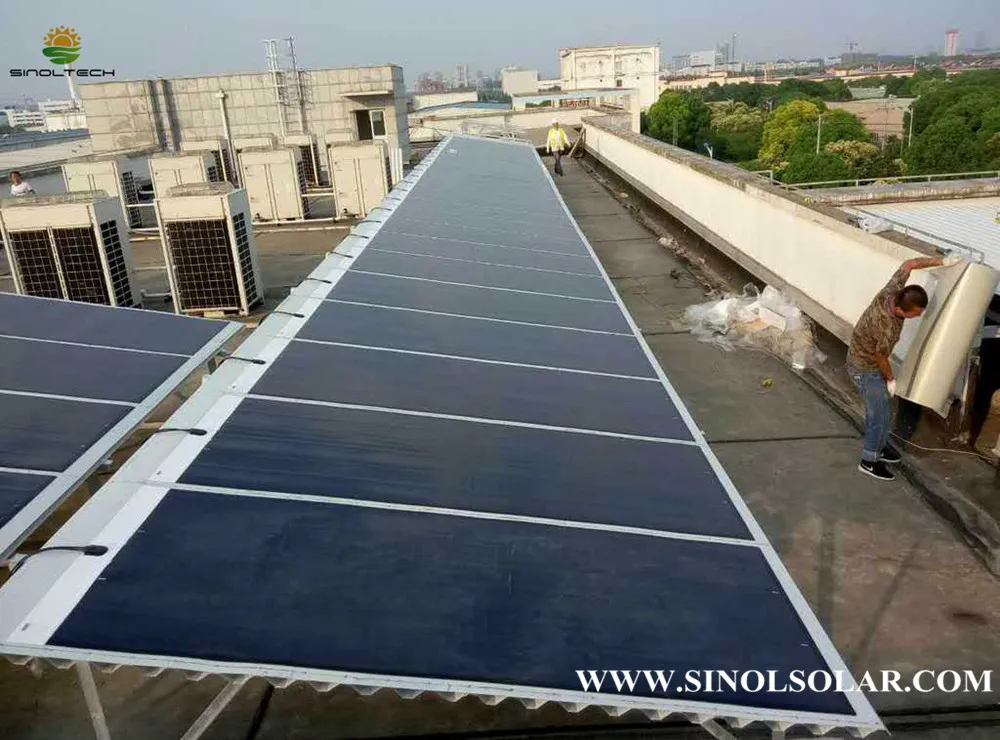
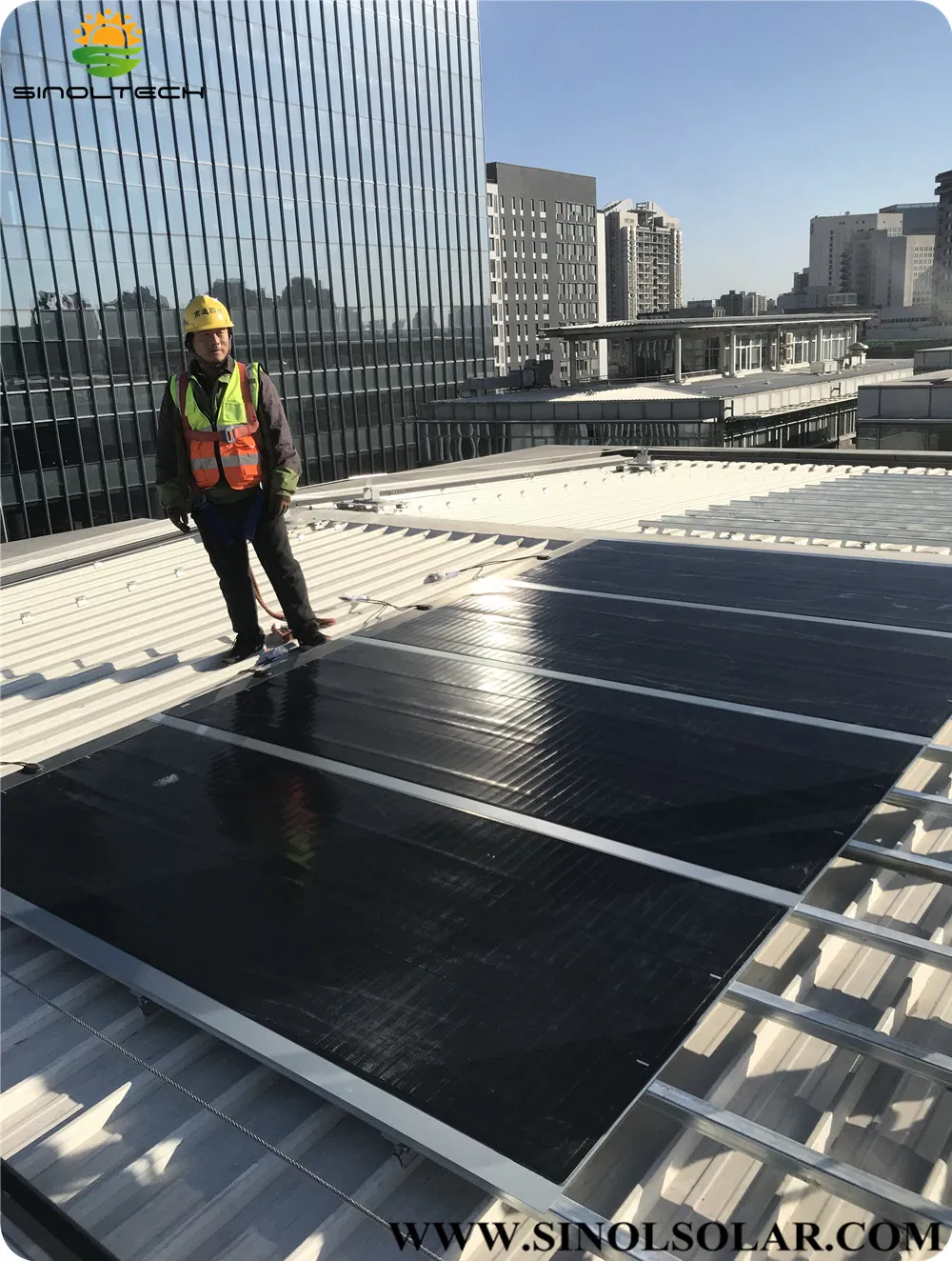
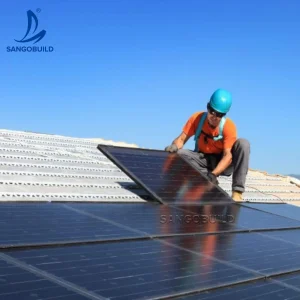
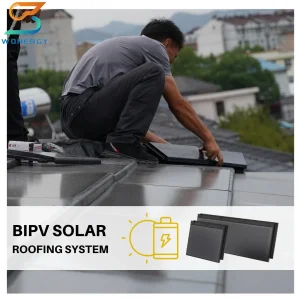
Easy Installation: Peel-and-stick application eliminates structure penetrations, reducing leak risks and lowering BOS costs.
✓
Extreme Durability: Shatterproof and resistant to wind and seismic activities. Only 2.5mm thin.
Frequently Asked Questions
What is CIGS technology and its benefits?
CIGS stands for Copper Indium Gallium Diselenide. It is a thin-film technology that allows for high efficiency (up to 17%) in a flexible form factor, making it much lighter than traditional glass panels while maintaining high power output.
How do you install these flexible modules?
The FLEX series features a "peel-and-stick" application. This direct bonding method eliminates the need for racking, ballast, or roof penetrations, significantly simplifying the installation process.
Are these panels suitable for curved surfaces?
Yes, the modules are designed to conform to curved surfaces, enabling solar power generation on structures where traditional rigid silicon panels cannot be installed.
How heavy are the panels compared to rigid ones?
These modules are extremely lightweight, weighing less than 2.4 kg/m². This is ideal for buildings or vehicles (RVs, trucks) that cannot support the heavy dead load of traditional glass modules and metal racks.
What kind of warranty is provided?
The modules come with a 5-year workmanship warranty and a 10/25 year warranty against power loss, ensuring long-term reliability and performance.
Are the panels resistant to environmental hazards?
Yes, the modules are shatterproof and provide excellent wind and seismic resistance. Their low profile (2.5mm thickness) also makes them less vulnerable to wind lift.
 Ran Solar