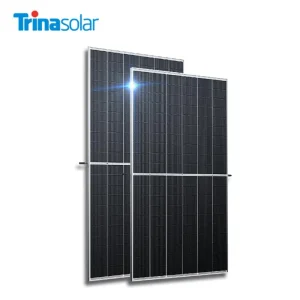
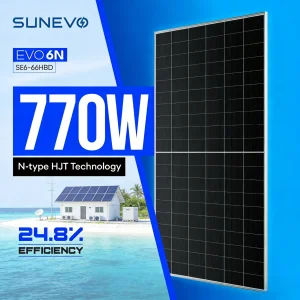
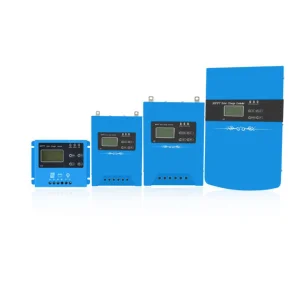
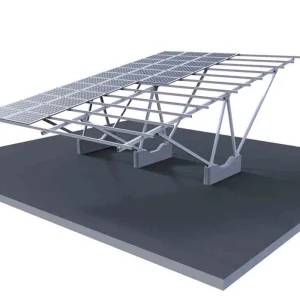
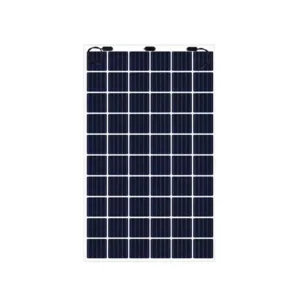
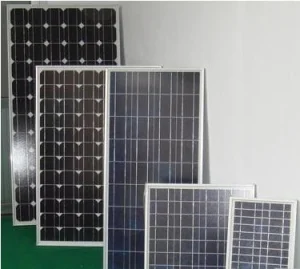
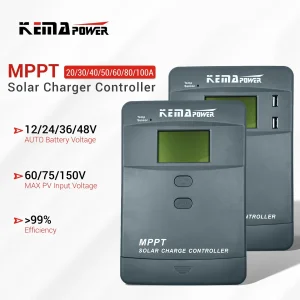
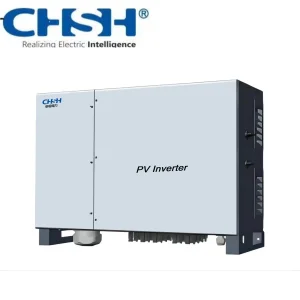
As a leading solar products manufacturer, Anhui Ran Solar Co., Ltd. specializes in the research, development, production, and global sales of high-quality solar PV products. Since our establishment in 2011, Anhui Ran Solar has achieved remarkable milestones, surpassing many competitors in production capacity, innovative designs, and technological advancements. We firmly believe that innovation drives progress, and we continually pursue new technologies and higher efficiencies to empower a sustainable energy future.
In the rapidly evolving landscape of 2024, solar monitoring solutions have shifted from a "luxury" to a "critical necessity." Our OEM/ODM capabilities allow partners to integrate advanced data logging, real-time analytics, and cloud-based management into their own brand ecosystems, ensuring high reliability and rapid market entry.
Annual Production Capacity
Global Deployment
Countries Served
Patented Technologies
The global solar monitoring market is projected to grow at a CAGR of 12.5% through 2030, driven by the aging of solar assets and the need for higher O&M efficiency.
Modern monitoring has moved beyond simple data collection. Artificial Intelligence now enables predictive maintenance, identifying potential string failures or inverter issues before they cause downtime.
Processing data at the site level reduces latency and bandwidth costs. Our ODM solutions leverage edge gateways to ensure critical alerts are triggered even during network outages.
Different regions have varying grid-code requirements (e.g., IEEE 1547 in the US, VDE in Germany). Anhui Ran Solar's OEM solutions are adaptable to diverse regulatory frameworks.
For large-scale industrial projects, blockchain technology is being explored for transparent energy trading and RECs (Renewable Energy Certificates) verification through monitoring data.
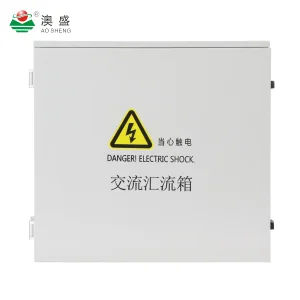
Deployment of high-precision sensors, IoT gateways, and smart combiner boxes that capture granular data at the module level. Integration of N-type and HJT technology monitoring profiles.
Creating virtual replicas of physical solar farms. Our ODM software development kits (SDKs) allow for real-time simulation, helping operators predict the impact of shading, soiling, and degradation.
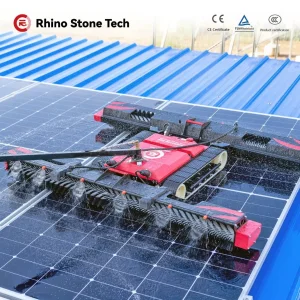
The convergence of monitoring data with robotic cleaning systems (like our Residential Cleaning Robots) and drone inspections to automate the entire maintenance lifecycle of a solar asset.
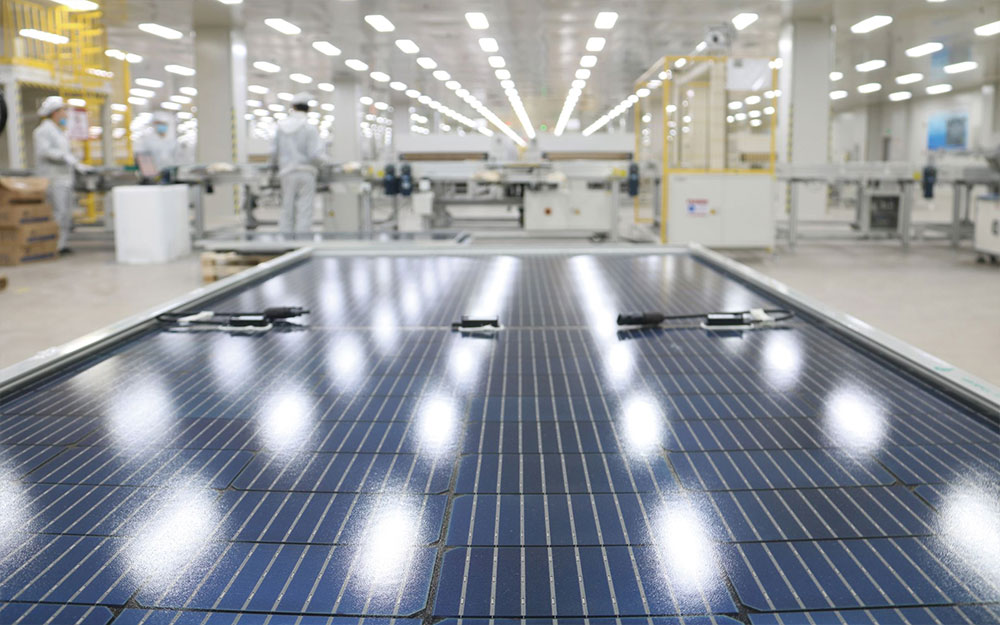
Innovation is at the core of Anhui Ran Solar’s strategy. We provide a full spectrum of advanced renewable energy technologies to meet the unique needs of every customer. Our modularized, fully automated production lines enable rapid delivery, optimized costs, and consistent quality.
Our products have achieved certifications for Quality Management System (ISO 9001:2015), Environmental Management System (ISO 14001:2015), and Occupational Health and Safety (ISO 45001:2018).
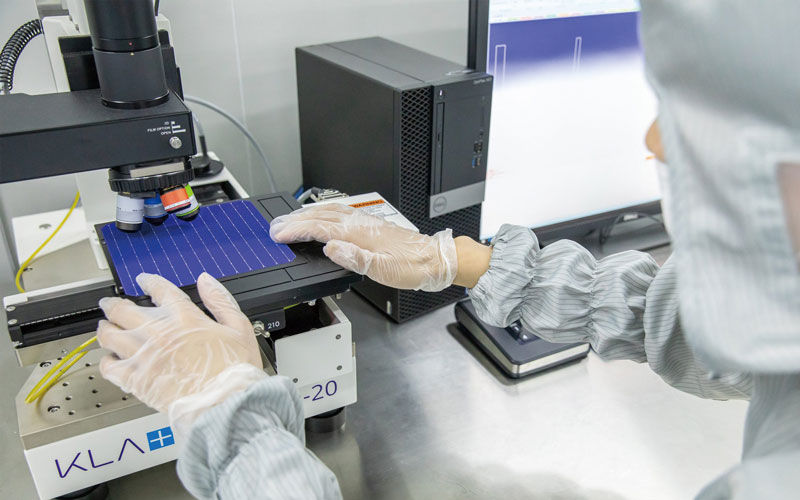
Every single module undergoes triple Electroluminescence (EL) testing and high-intensity flash testing to ensure zero micro-cracks and power rating accuracy.
Our standards are verified by third-party giants like DNV GL, reflecting our commitment to uncompromising performance in extreme industrial environments.
For factories and shopping malls, monitoring ensures that self-consumption is optimized, reducing expensive peak-demand charges from the utility grid.
Large-scale assets require SCADA integration. Our OEM gateways support Modbus, CAN, and SunSpec protocols for seamless integration into existing control rooms.
Specialized monitoring sensors for humidity and ambient temperature help manage the unique microclimates of floating arrays or panels installed above agricultural crops.
Empower homeowners with mobile apps that track battery State of Charge (SoC) and energy production, ensuring they never run out of power.
Anhui Ran Solar provides more than just components; we provide end-to-end solar ecosystems. Our ODM/OEM services for monitoring systems are designed to bridge the gap between hardware and software.
By utilizing our intelligent monitoring hardware, EPC (Engineering, Procurement, and Construction) companies can report an average of 5-8% increase in annual energy yield through faster troubleshooting and dirt detection.
Monitoring data helps in the circular economy by identifying modules that are suitable for second-life applications after their primary utility tenure ends.
 Ran Solar