Custom OEM Renewable Energy Technologies Suppliers & Exporter

Precision-engineered utility, industrial, and commercial solar products tailored to worldwide grids. 7.5 GW Tier-1 capacity serving clients in over 80 countries.

7.5 GW
Annual Manufacturing Capacity
15+ GW
Global PV Field Deployments
80+
Export Destination Countries
40+
Patented OEM Tech Solutions

Global Renewable Energy Technologies: Structural Transformations

Analyzing key shifts in modern photovoltaics, grid integrations, and structural material innovations.

Transition to N-Type TOPCon

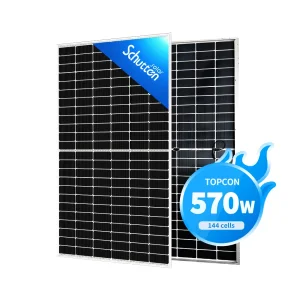
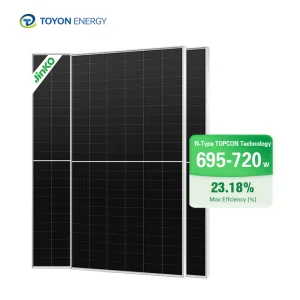
Monocrystalline P-type PERC cells are rapidly ceding market share to N-Type TOPCon and Heterojunction (HJT) architectures. N-type silicon achieves higher bifaciality coefficients, lower power temperature coefficients, and virtually zero Light-Induced Degradation (LID).

Architectural Integration (BIPV)

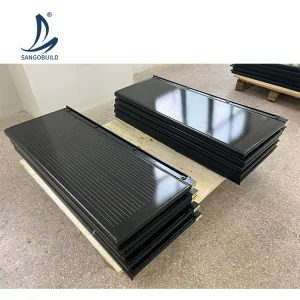
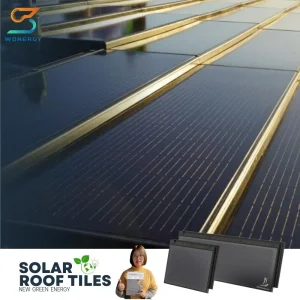
Building Integrated Photovoltaics (BIPV) morph energy conversion interfaces from simple add-on modules into fundamental load-bearing structures. Solar tile roofs, glazed facades, and thin-film solar panes allow high aesthetic and structural integrity.

Module-Level Power Electronics

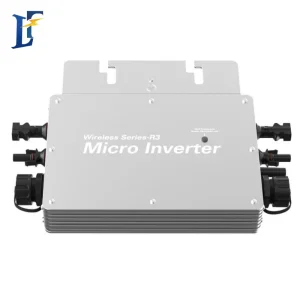
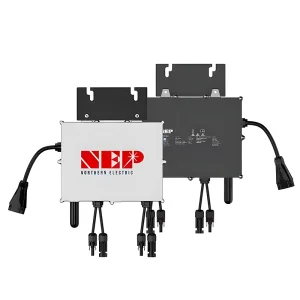
Micro-inverters (600W to 2000W) are redefining rooftop solar topology. Operating via independent MPPT tracking, microinverters eliminate localized shading losses and enable rapid shutdown protection for commercial and residential applications.

Engineered OEM Customization: Meeting Global Procurement Standards

Global utility developments demand tailored PV components optimized for diverse geographical matrices. Anhui Ran Solar Co., Ltd. serves this market by developing highly customized solutions under strict OEM contract structures.

Our customizing framework covers every aspect of component construction:
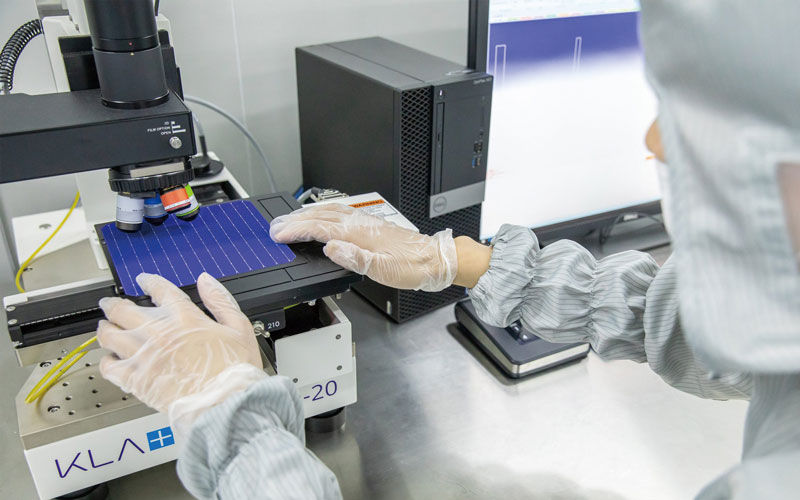
  • Custom Cell Architectures: Custom sizing, half-cut configurations, and multibusbar (MBB) positioning for tailored voltage-current output ratios.
  • Structural & Mechanical Adapting: Framing modifications, black-anodized alloy frames, high-load configurations (up to 5400Pa snow load / 2400Pa wind load), and specialized rear-sheet materials.
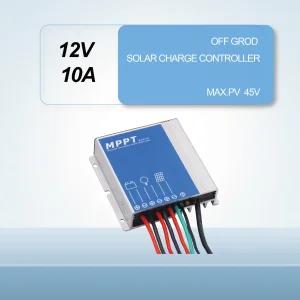
  • Integrated Balance of Systems (BOS): Custom-length cables, custom connectors (MC4 compatible), customized junction boxes, and matching MPPT solar charge controllers.
Anhui Ran Solar Automated Production Line and OEM Customization Facilities

China Factory 4.0: Supply Chain Resilience & Manufacturing Prowess

How our automated logistics hub in Anhui provides cost control, material security, and strict quality verification.

Automated Manufacturing Infrastructure

Our state-of-the-art facility integrates 40+ patented technologies directly into our automated production lines. Robotic handling, AI-based optical inspection systems, and automated laser dicing lines reduce human error risk while ensuring repeatable, micron-level precision across all solar module laminates.

Geographic & Materials Integration

Located in Anhui province, at the center of China’s solar cluster, we enjoy direct access to key raw materials. Tempered low-iron solar glass, encapsulating EVA/POE films, silicone adhesives, and junction boxes are sourced within a 150km radius. This localized infrastructure protects our production schedules from global supply line disruptions.

Raw Material Verification: Stringent incoming material inspections check every sheet of solar glass, silicone sealant, and conductive ribbon to ensure strict compliance with international raw material guidelines.
Stringer Automation & Layout: Automated high-precision cell soldering utilizes multibusbar layouts to minimize resistance losses and maximize total aperture conversion efficiency.
Dual Electroluminescence (EL) Defect Scans: Pre-lamination and post-lamination EL imaging detect micro-cracks, alignment deviations, and internal cell defects to prevent downstream product failure.
Lamination & Curing: Temperature-controlled lamination processes guarantee correct adhesion and cross-linking levels, preventing long-term delamination in damp heat conditions.

Global Industrial, Commercial, and Localized Applications

Deploying tailored solar solutions across harsh geographic profiles and complex urban environments.

High-Humidity Coastal Zones

Deploying PV systems in coastal areas requires high resistance to salt mist and ambient humidity. Our dual-glass bifacial panels utilize specialized POE encapsulation layers and anti-corrosive aluminum frames to prevent Potential Induced Degradation (PID) and frame decay.

Arid and Desert Environments

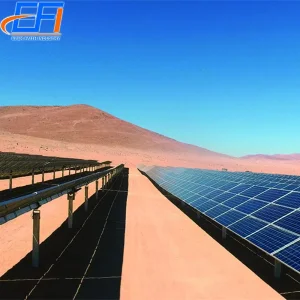
High temperatures and dust storms reduce standard module efficiency. Our desert-optimized monocrystalline modules are designed with low-temperature coefficients and specialized anti-soiling, hydrophobic glass coatings to sustain high power output despite heavy dust accumulation.

Urban Architectural Integrations

Restricted space demands aesthetic integration. Our BIPV thin-film structures and solar roofing tiles replace traditional clay tiles with active solar roof panels. This supplies clean power while meeting local building safety and architectural heritage guidelines.

High-level Testing, Auditing, and Global Standards Compliance

For industrial investments, long-term bankability is paramount. We build trust by verifying every manufacturing step against international standards, ensuring our products perform reliably in harsh environmental conditions over their full service life.

Anhui Ran Solar operates under certified quality, safety, and environmental management programs, including:

  • ISO 9001:2015: Quality Management System Certification (Certified by DNV GL and GZCC).
  • ISO 14001:2015: Environmental Management Standard, confirming green manufacturing methodologies.
  • ISO 45001:2018: Occupational Health and Safety Management Systems.

Additionally, our solar panels are certified by international laboratories, demonstrating high resistance to salt-mist corrosion, ammonia exposure, sand abrasion, and PID degradation.
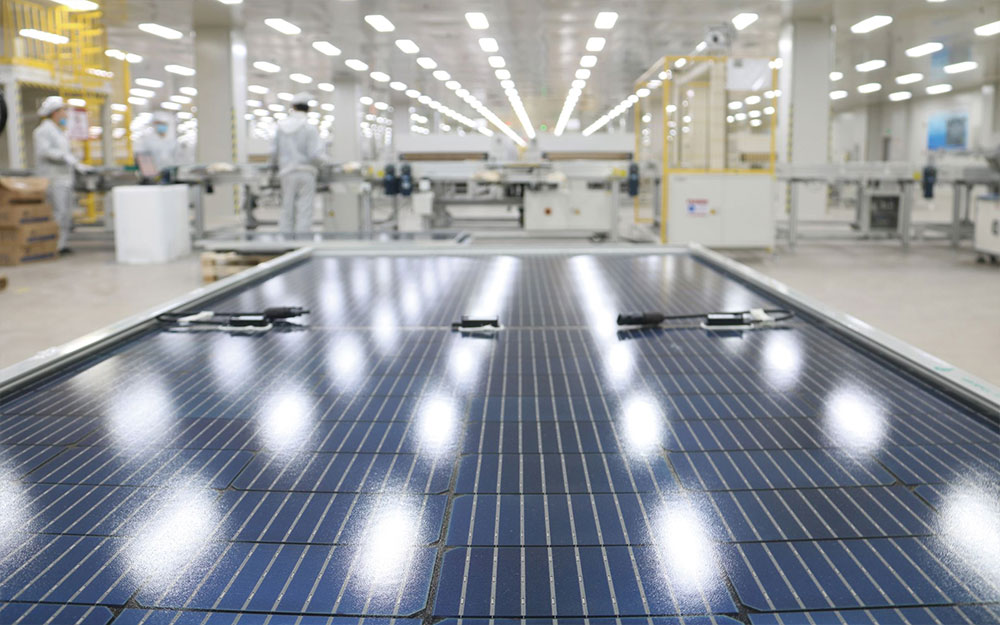
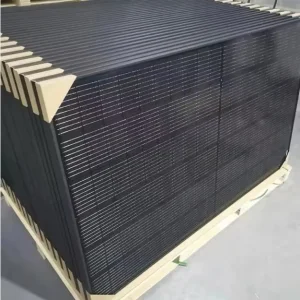
Certified OEM Renewable Energy Solar Panels Ready for Shipping

Frequently Asked Questions (FAQ)

Find direct answers to common questions about customization, certifications, warranty structures, and global export shipping logistics.

1. What are your specific capacities and capabilities for custom OEM solar panel configurations?
Anhui Ran Solar provides complete OEM and ODM customization services for our global clients. With a current manufacturing capacity of 7.5 GW, we can customize module dimensions, electrical parameters, frame options (such as anodized silver or black coatings), cable lengths, and junction boxes. This ensures our components match the voltage inputs of your inverters and satisfy local building regulations.
2. What quality system standards and product certifications does your factory hold?
Our facilities operate under ISO 9001:2015 (Quality Management System), ISO 14001:2015 (Environmental Management System), and ISO 45001:2018 (Occupational Health and Safety Management System) certifications, verified by international audit firms DNV GL and GZCC. Our product lines undergo testing for CE, TUV, and UL compliance, verifying resistance to PID, salt-spray corrosion, and ammonia.
3. How does the 30-year warranty for your BIPV solar roof tiles and modules work?
Our BIPV solar roofing tiles and high-efficiency panels feature dual-tempered glass construction, which protects the PV cells from environmental wear. We back our BIPV products with a 30-year linear performance warranty. This warranty guarantees that power output will remain at or above 80% of the nominal capacity at the end of the 30-year period, with minimal annual degradation.
4. Are your micro-inverters compatible with other Tier-1 PV modules on the market?
Yes, our high-efficiency micro-inverters (ranging from 300W to 2000W) feature standard MC4 inputs and support wide MPPT voltage ranges. This makes them compatible with diverse residential and commercial solar panels, including high-wattage N-Type monocrystalline modules and double-glass PV systems. Integrated WiFi monitoring is also available to track performance at the module level.
5. How does Anhui Ran Solar secure its supply chain against raw material volatility?
We are located in Anhui Province, at the center of China’s solar technology cluster. Our close proximity to domestic silicon, glass, and frame suppliers helps stabilize material costs and secure manufacturing volumes. This regional supply chain network minimizes logistical delays and allows us to maintain stable production schedules.
6. What are the minimum order quantities (MOQ) and shipping conditions for export?
Because we optimize our automated production lines for large-scale runs, our standard minimum order quantity for OEM and custom configurations is typically one 45ft or 40ft High Cube container. We handle shipping under FOB, CIF, and DDP terms, utilizing reinforced shipping crates and custom packaging to prevent glass micro-cracks during sea transport.
7. How do your BIPV tiles function structurally compared to traditional roofs?
Our Building Integrated Photovoltaic (BIPV) solar roof tiles replace traditional clay or concrete roof tiles. Designed for water-shedding performance, wind load resistance, and impact durability, they mount directly onto standard roof batten structures. This integration provides a clean, weather-tight roof profile while functioning as a high-performance power generator.
8. Can you customize micro-inverters for specific regional grid-tie requirements?
Yes. Our micro-inverters can be configured during manufacturing to match regional grid codes. We adjust voltage, frequency, phase profiles (single-phase or split-phase), and anti-islanding protection parameters to comply with local utility connection standards in key markets, including North America, Europe, and Australia.