Explore our CE-certified photovoltaic equipment, intelligent maintenance robots, grid-tied string inverters, and heavy-duty structural mountings engineered for high operational yield.
As global energy architectures rapidly transition from centralized fossil-fuel baseload generation toward decentralized, intermittent renewable grids, the critical role of bankable, high-efficiency solar photovoltaic (PV) generation coupled with battery energy storage systems (BESS) has become paramount. Worldwide commercial, industrial (C&I), and utility-scale solar asset owners are facing an evolving landscape defined by volatile spot market electricity prices, stringent grid compliance codes, carbon intensity reporting (Scope 1 and Scope 2 emissions), and the imperative for absolute system reliability.
Securing a verified CE Certified Photovoltaic Energy Storage Supplier is no longer merely a regulatory check-box for European Union market entry—it serves as a global benchmark for electromagnetic compatibility (EMC), low-voltage electrical safety, structural integrity, and thermal containment resilience. Modern solar-plus-storage projects demand seamless hardware-software interoperability between high-peak-power bifacial modules, intelligent string inverters, hybrid battery systems, and automated operational infrastructure.
Core Industry Directive: A certified PV and energy storage supplier must provide complete traceability across the manufacturing value chain—from silicon ingot pulling and wafer slicing to module lamination, battery management system (BMS) logic verification, and structural load validation under extreme thermal cycling.
Transitioning to N-Type TOPCon and BC (Back Contact) cell architectures delivering module efficiencies exceeding 22.5%, reduced temperature coefficients (-0.29%/°C), and negligible Light-Induced Degradation (LID).
Integration of smart hybrid inverters capable of millisecond-level blackout switching, active power damping, reactive power support (cos φ adjustment), and peak-shaving optimization.
Full compliance with EU Directives including Low Voltage (2014/35/EU), EMC (2014/30/EU), and battery safety standards EN IEC 62477-1, IEC 62619, and UL 9540A anti-thermal runaway testing.
As a leading solar products manufacturer, Anhui Ran Solar Co., Ltd. specializes in the research, development, production, and global sales of high-quality solar PV products. Since our establishment in 2011, Anhui Ran Solar has achieved remarkable milestones, surpassing many competitors in production capacity, innovative designs, and technological advancements. We firmly believe that innovation drives progress, and we continually pursue new technologies and higher efficiencies to empower a sustainable energy future.
Currently, Anhui Ran Solar boasts a global production capacity of 7.5 GW, serving customers across more than 80 countries with premium products and professional services. By the end of 2023, over 15 GW of our solar modules have been deployed worldwide, powering residential, commercial, and utility-scale projects.
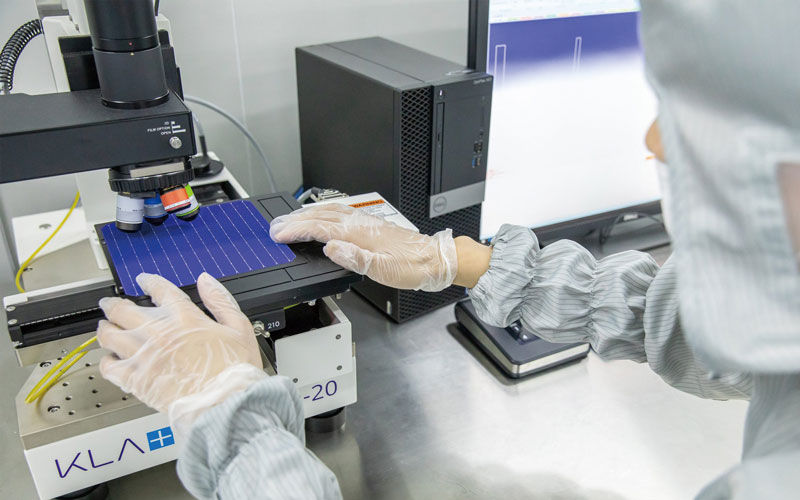
Innovation is at the core of Anhui Ran Solar’s strategy. We provide a full spectrum of advanced renewable energy technologies to meet the unique needs of every customer, whether utilities, commercial enterprises, or industrial clients. Our dedicated R&D team continuously explores next-generation solar solutions, including high-efficiency modules, bifacial technologies, and smart energy solutions.
We invest heavily in state-of-the-art laboratory equipment and recruit top-tier engineering talent, ensuring that our products remain at the cutting edge of the renewable energy industry. This relentless pursuit of technological innovation enables our customers to achieve higher performance, reduced costs, and superior reliability in their solar installations.
At Anhui Ran Solar, our modularized, fully automated production lines enable rapid delivery, optimized costs, and consistent quality. We have segmented the production process into closely coordinated, automated sectors to maximize efficiency and minimize human error.
Over 40 patented technologies have been implemented to optimize production processes, covering every stage from raw material inspection to final packaging. Each step is monitored and recorded in real time, ensuring traceability, precision, and reliability across our manufacturing operations.
Stringent quality control is the cornerstone of our operations. Our customers expect—and receive—uncompromising quality and performance, even in the most extreme conditions.
Anhui Ran Solar invests continuously in advanced testing equipment and professional employee training to maintain these high standards. Our products have achieved certifications for Quality Management System (ISO 9001:2015), Environmental Management System (ISO 14001:2015), and Occupational Health and Safety Management System (ISO 45001:2018) from both DNV GL and GZCC, reflecting our commitment to excellence, sustainability, and workplace safety.
Anhui Ran Solar is committed to accelerating the global energy transition. By providing innovative, reliable, and efficient solar solutions, we aim to empower communities, businesses, and governments worldwide to harness the power of the sun for a cleaner, greener future.
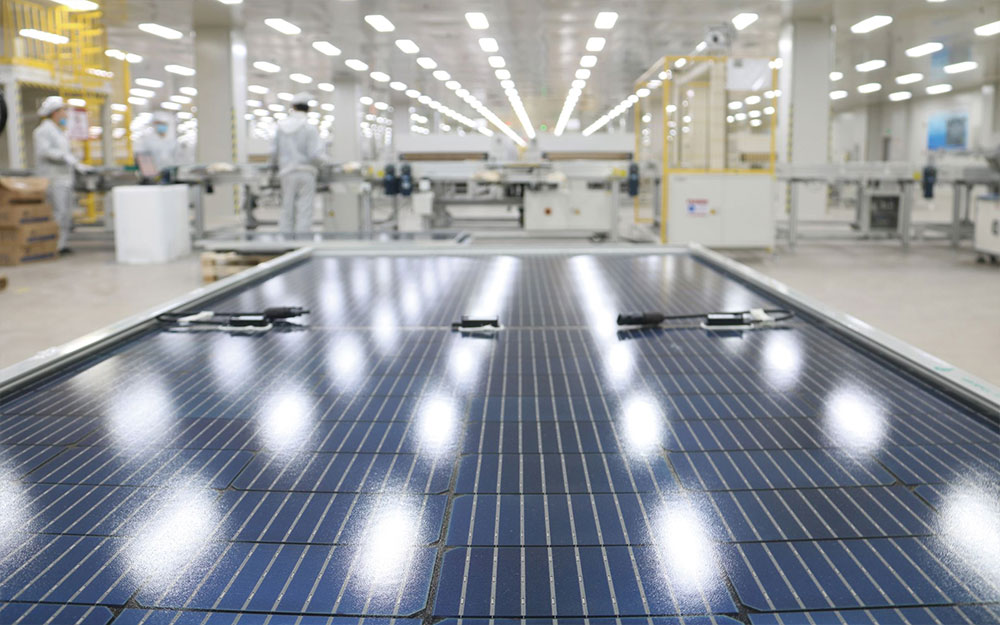
Achieving long-term ROI in renewable infrastructure requires meticulous engineering alignment between solar generation, power conversion, battery chemistry, and structural mounting. Below is an engineering overview of key technical subsystems supplied by Anhui Ran Solar:
Modern PV farms are transitioning rapidly from PERC to N-Type Tunnel Oxide Passivated Contact (TOPCon) and Back Contact (BC) technology. N-Type TOPCon wafers exhibit zero Light-Induced Degradation (LID) and feature a superior temperature coefficient of -0.30%/°C, ensuring robust output in high-ambient-temperature regions such as the Middle East, Southern Europe, and Latin America.
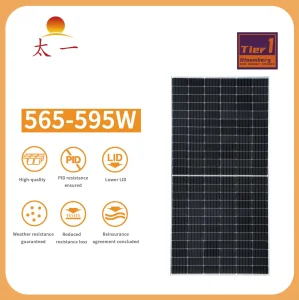
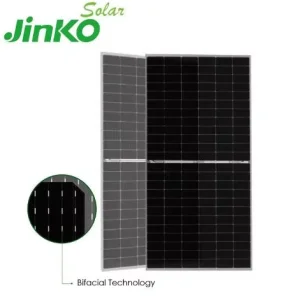
Our Ts-M10/144G 565W-595W BC Component and Jinko N-Type Bifacial PV Module 615W-625W Tiger Neo Dual Glass utilize dual-glass encapsulation to withstand extreme environmental stress, including sand abrasion, salt-mist corrosion, and high humidity, yielding a 30-year operational linear power guarantee.
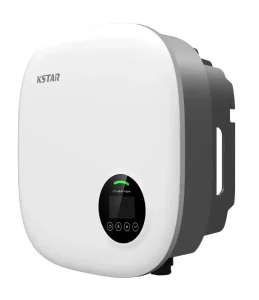
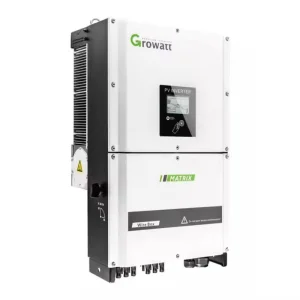
The stability of string inverters (such as the Kstar 5kW On-Grid or Customized 30kW–50kW 8-String On-Grid Inverters) is critical for converting raw DC voltage to synchronized AC grid power. Modern CE-compliant inverters incorporate advanced digital signal processors (DSPs) to offer:
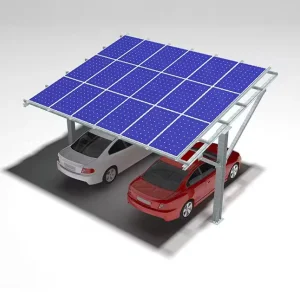
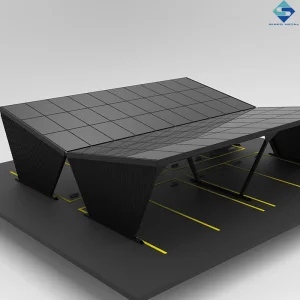
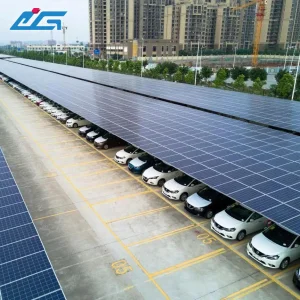
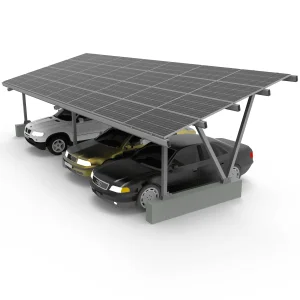
Solar mountings must withstand wind speeds exceeding 240 km/h and heavy snow loads. Our Sinpometal Aluminum Carport Structure and Nine Steel Solar Carport Support Structures integrate high-grade anodized aluminum (AL6005-T5) and hot-dip galvanized steel (Q235B/Q355B). These structural solutions serve dual roles: generating clean electricity while offering waterproof shelter for commercial vehicle fleets and corporate parking lots.
| Parameter | N-Type TOPCon Dual Glass | BC High-Efficiency Component | Commercial Solar Carport |
|---|---|---|---|
| Target Efficiency | 22.5% – 23.2% | 22.8% – 23.5% | System Dependent |
| Bifaciality Factor | 80% ± 5% | 70% ± 5% | N/A (Single Surface) |
| Mechanical Load (Snow/Wind) | 5400 Pa / 2400 Pa | 5400 Pa / 2400 Pa | Custom (Up to 0.8 kN/m²) |
| CE Standards Compliance | EN IEC 61215, EN IEC 61730 | EN IEC 61215, EN IEC 61730 | Eurocode 1 & Eurocode 3 |
| Operational Lifespan | 30-Year Performance Warranty | 30-Year Performance Warranty | 25-Year Structural Integrity |
To qualify as an enterprise-grade CE Certified Photovoltaic Energy Storage Supplier, products must undergo rigorous testing to comply with European Harmonized Standards and International Electrotechnical Commission (IEC) codes. Compliance guarantees safety, grid synchronization, and environmental longevity across global jurisdiction borders.
Mandates that electrical equipment operating between 50–1000 VAC or 75–1500 VDC provides complete insulation, clearance distance, and electrical shock protection during operation and maintenance.
Verifies that solar string inverters and charge controllers emit radio disturbance below statutory limits (EN 61000-6-3) and possess immunity to electromagnetic interference (EN 61000-6-2).
Certifies industrial LiFePO4 battery modules against thermal runaway, short circuits, overcharging, drop testing, and internal propagation under severe fault conditions.
At Anhui Ran Solar Co., Ltd., our quality control apparatus is accredited by globally recognized testing bodies including DNV GL and GZCC. Every batch of exported solar modules, mounting components, and electronic controllers carries factory flash test reports, EL (Electroluminescence) inspection logs, and direct traceability documentation.
When evaluating tier-1 suppliers for utility and C&I energy deployment, procurement teams must look beyond initial equipment cost (CapEx) to evaluate total Levelized Cost of Energy (LCOE) and Levelized Cost of Storage (LCOS). Key procurement evaluation metrics include:
1. Manufacturing Capability & Scale: Partnering with a manufacturer offering a 7.5 GW production footprint ensures bulk component availability, rapid supply chain response times, and financial bankability.
2. Balance of System (BOS) Compatibility: Ensuring that high-wattage modules (600W+) integrate seamlessly with specialized mounting structures, such as Sinpometal Aluminum Carports or concrete fixed ground mounts, drastically cuts balance-of-system installation labor costs.
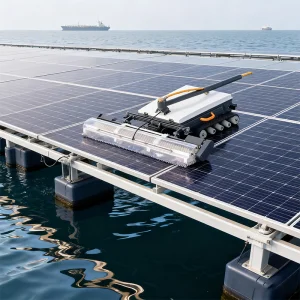
3. Autonomous Operation & Maintenance (O&M): Deploying automated solutions like the Photovoltaic Panel Cleaning Solar Robot reduces soiling loss by up to 15-25% in arid regions, maximizing continuous power yield without manual labor hazards.
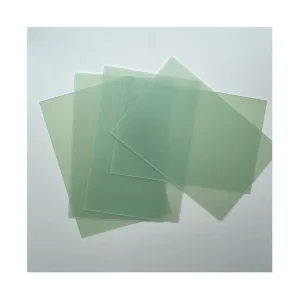
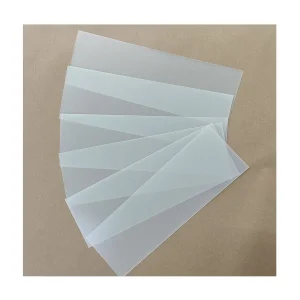
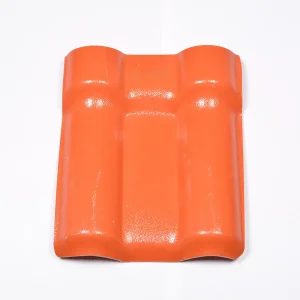
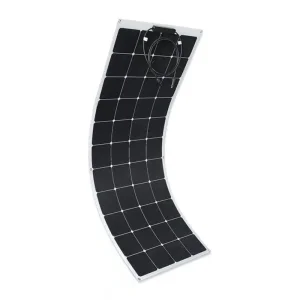
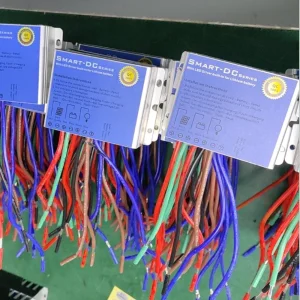
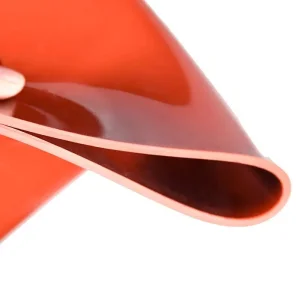
Discover auxiliary waterproofing sheets, solar street controllers, flexible lightweight modules, and specialized epoxy insulation sheets engineered for renewable energy installations.
 Ran Solar