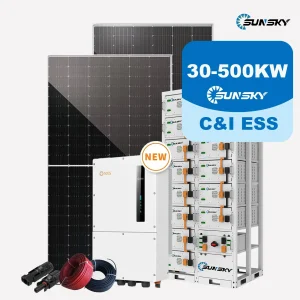
 Complete Set 30kw-300kw Roof Mount Solar Panel Tracking System Hybrid Energy Storage Kit
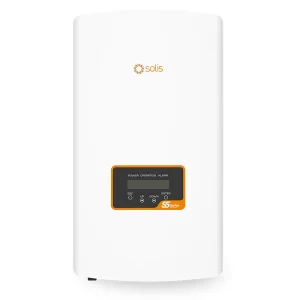 Solis S5-Gr3p10K Three Phase 10kw String Inverter on Grid Solar Inverter
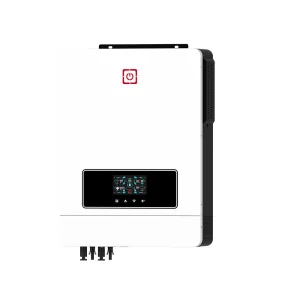 High Frequency off Grid Solar Inverter 5kw LCD Display Three Phase String
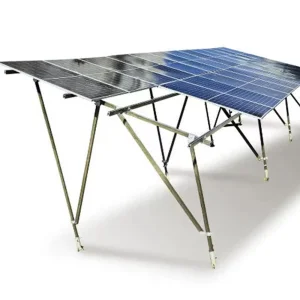 High Performance Carbon Fiber Solar Mounting Structure - Corrosion-Free Solution
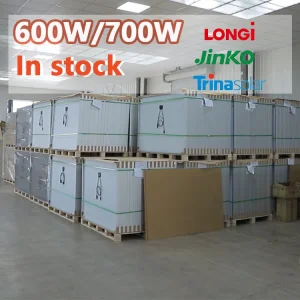 Jingkon Type 600W 625W 650W Monocrystalline Solar Module
 High Quality Quartz Sheet for Solar Photovoltaic, Chemical, Thermal Using
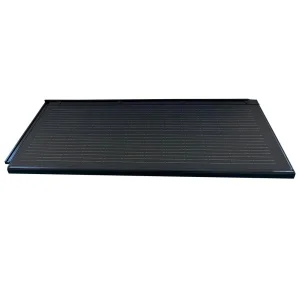 New Arrival Durable Glass 87W 35W Solar Roof Tiles Roofing Material
 Arris Flexible Plastic ABS PMMA Acrylic Sheet
In the rapidly maturing renewable energy landscape, the MPPT (Maximum Power Point Tracking) charge controller has transitioned from a niche component to the central nervous system of efficient solar PV systems. Unlike traditional Pulse Width Modulation (PWM) controllers, MPPT devices employ complex algorithms to constantly monitor the voltage and current output of solar panels, ensuring that the system operates at its "sweet spot" even under fluctuating weather conditions.
This whitepaper dives deep into the top-tier manufacturers and the structural advantages of the global solar supply chain. For procurement officers and project developers, selecting a supplier isn't just about the lowest unit cost; it's about Information Gain—the ability to utilize advanced data analytics, thermal management patents, and localized compliance standards to drive a higher Return on Investment (ROI) over a 25-year lifecycle.
Leading manufacturers utilize proprietary State of Charge (SoC) logic and multi-stage charging (Bulk, Absorption, Float, Equalization) to extend battery life by up to 40%. This is critical for Lithium (LiFePO4) and Lead-Acid integration.
Industrial-grade MPPT controllers must operate in desert temperatures. Top suppliers use oversized heatsinks, high-efficiency MOSFETs, and intelligent thermal derating to maintain performance without active cooling failure risks.
Integration with IoT, RS485, CAN bus, and Bluetooth is a hallmark of modern MPPT design. This allows for remote monitoring, firmware updates, and seamless integration with hybrid inverters and smart grids.
As a leading solar products manufacturer, Anhui Ran Solar Co., Ltd. specializes in the research, development, production, and global sales of high-quality solar PV products. Since our establishment in 2011, Anhui Ran Solar has achieved remarkable milestones, surpassing many competitors in production capacity, innovative designs, and technological advancements.
Currently, Anhui Ran Solar boasts a global production capacity of 7.5 GW, serving customers across more than 80 countries with premium products and professional services. By the end of 2023, over 15 GW of our solar modules have been deployed worldwide, powering residential, commercial, and utility-scale projects.
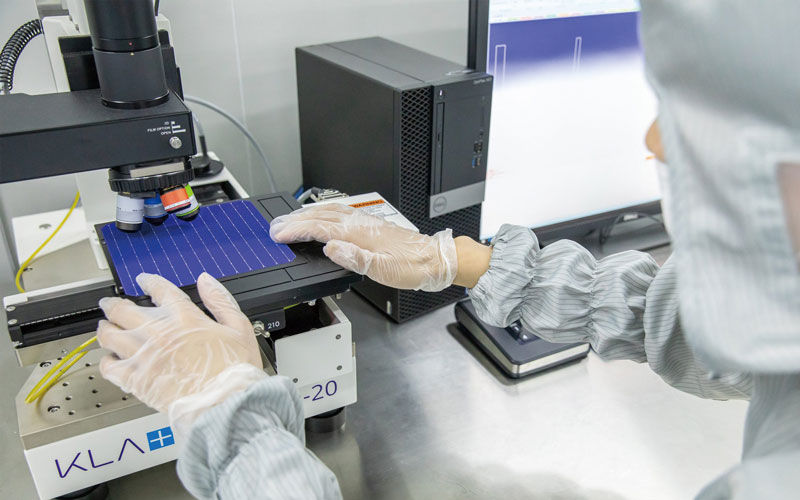
We provide a full spectrum of advanced renewable energy technologies. Our dedicated R&D team continuously explores next-generation solar solutions, including high-efficiency modules, bifacial technologies, and smart energy solutions. We invest heavily in state-of-the-art laboratory equipment to ensure products remain at the cutting edge.
At Anhui Ran Solar, our modularized, fully automated production lines enable rapid delivery and optimized costs. Over 40 patented technologies have been implemented to optimize production processes, covering every stage from raw material inspection to final packaging.
China's solar supply chain is unrivaled. By integrating upstream raw material access with downstream assembly, manufacturers like Anhui Ran Solar offer a superior price-to-performance ratio, ensuring large-scale global enterprises meet their procurement budgets without sacrificing quality.
For global enterprises, "Global" means "Local." We understand that different markets require specific certifications and support infrastructures.
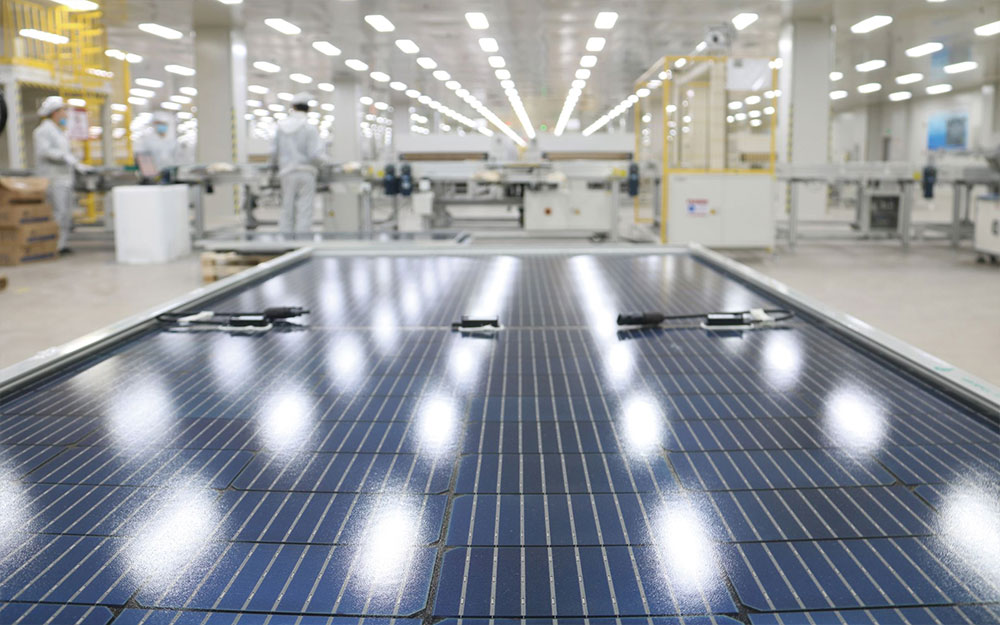
Optimizing large-scale battery banks for peak shaving and load leveling in factories, reducing operational electricity costs through intelligent MPPT tracking.
Powering 5G base stations in off-grid locations where reliability is non-negotiable. MPPT controllers ensure maximum harvest even in shaded or cloudy environments.
Driving solar-powered irrigation systems and greenhouse climate control, where precise power management correlates directly to crop yields.
The industry is moving from 12V/24V systems to 48V and even 600V+ string configurations to reduce cable losses and improve inverter efficiency. Leading manufacturers are now focusing on high-voltage MPPT solutions for commercial scale.
By leveraging the "Information Gain" from MPPT data, operators can predict battery failure or panel degradation before it happens. Future controllers will integrate AI chips for real-time edge computing.
With the rise of bifacial panels, MPPT controllers must handle higher current inputs and rapid changes in albedo-driven power spikes. Anhui Ran Solar’s 7.5GW capacity focuses heavily on these high-performance module integrations.
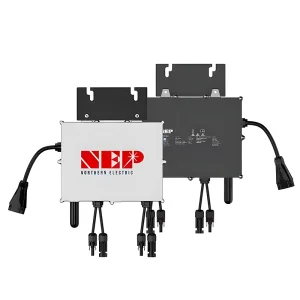 Nep Micro Inverter Single Phase 300W-2000W WiFi for Home & Commercial
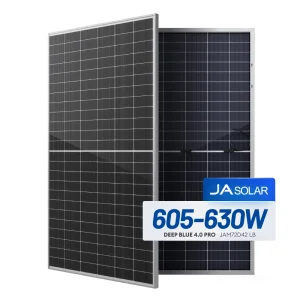 Ja Solar Power Panels 605W 610W 615W Double Glass Monocrystalline
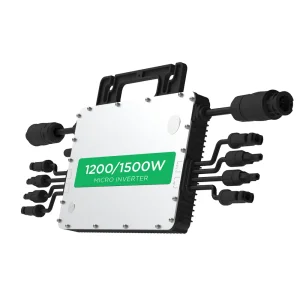 TUV Tsun Varispeed 800W-1500W Micro Inverter with Decoupling Relay
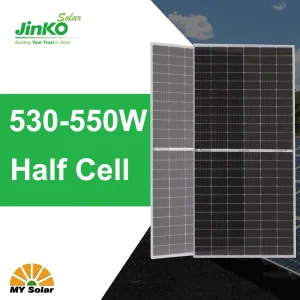 Jinko 535W-550W Bifacial Dual Glass Solar Panel with Cheap Price
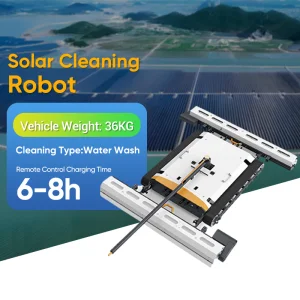 Higher Speed Double Efficiency Solar Panel Cleaning Robot Remote Control
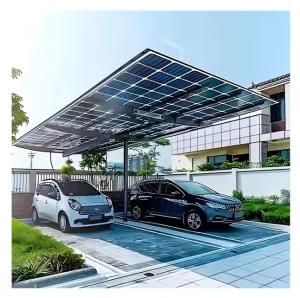 Easy Installation Carporting Mount Solar PV Racking Structure System
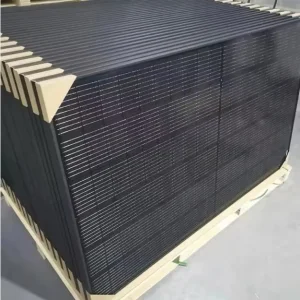 400W Monocrystalline Silicon Solar Panel Half Chip Module Generation
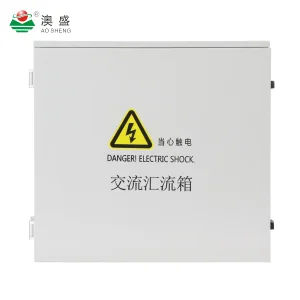 PV Solar Electrical Combiner Boxes for Professional Installation
 Ran Solar