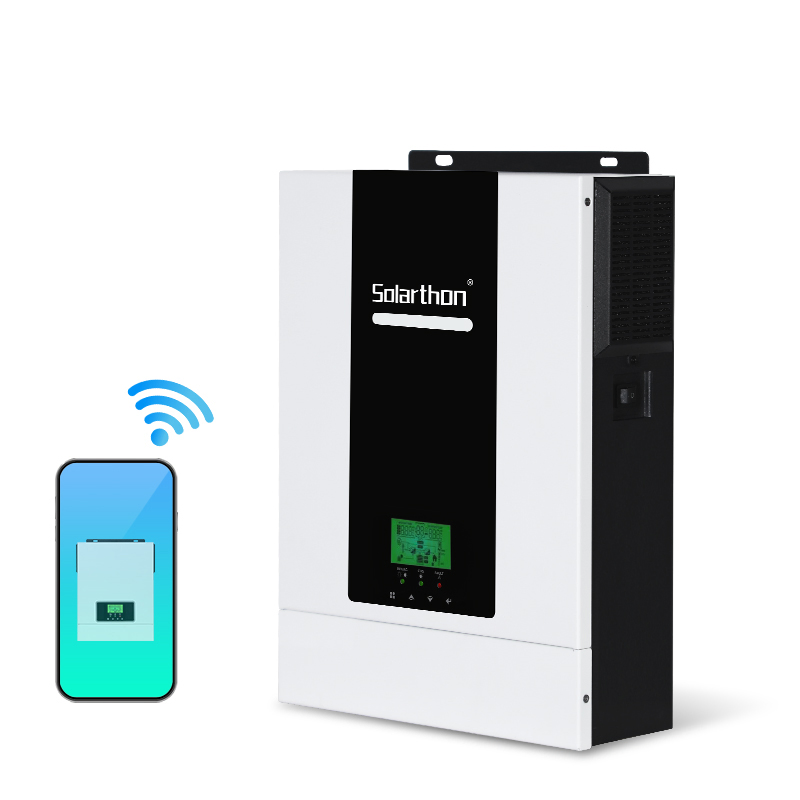
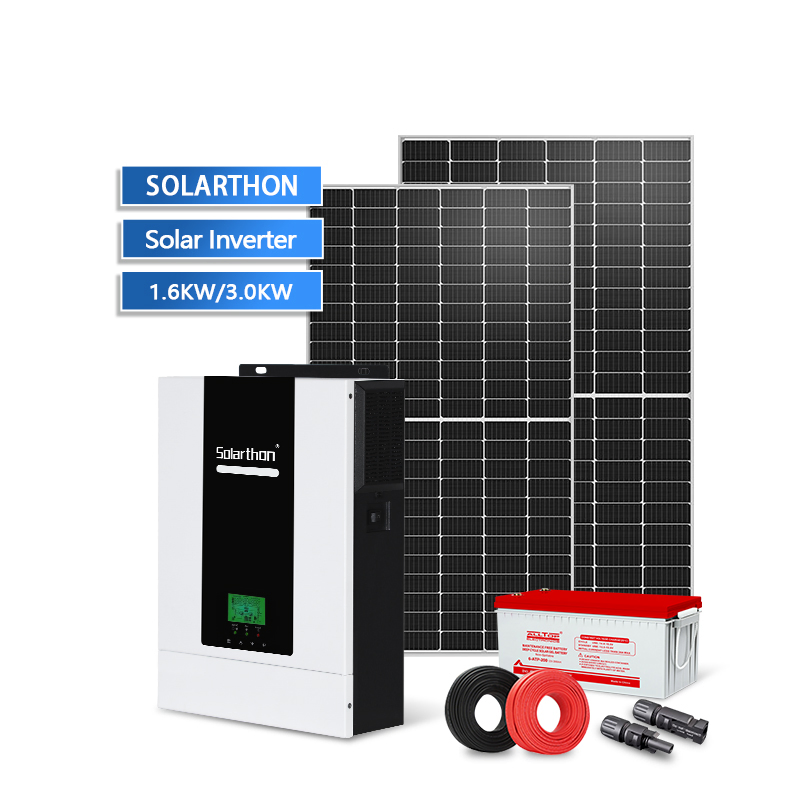
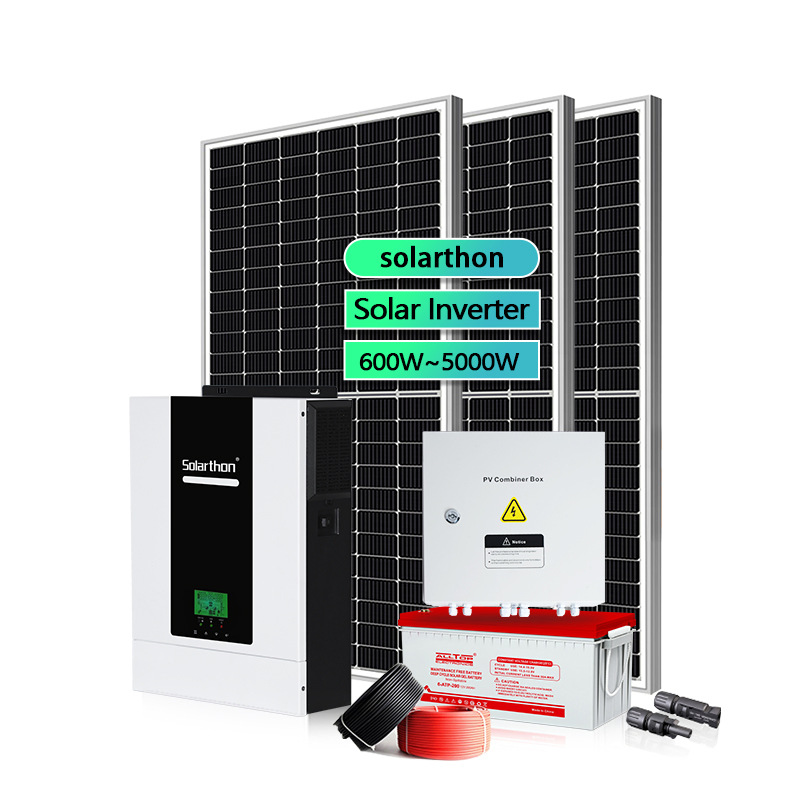
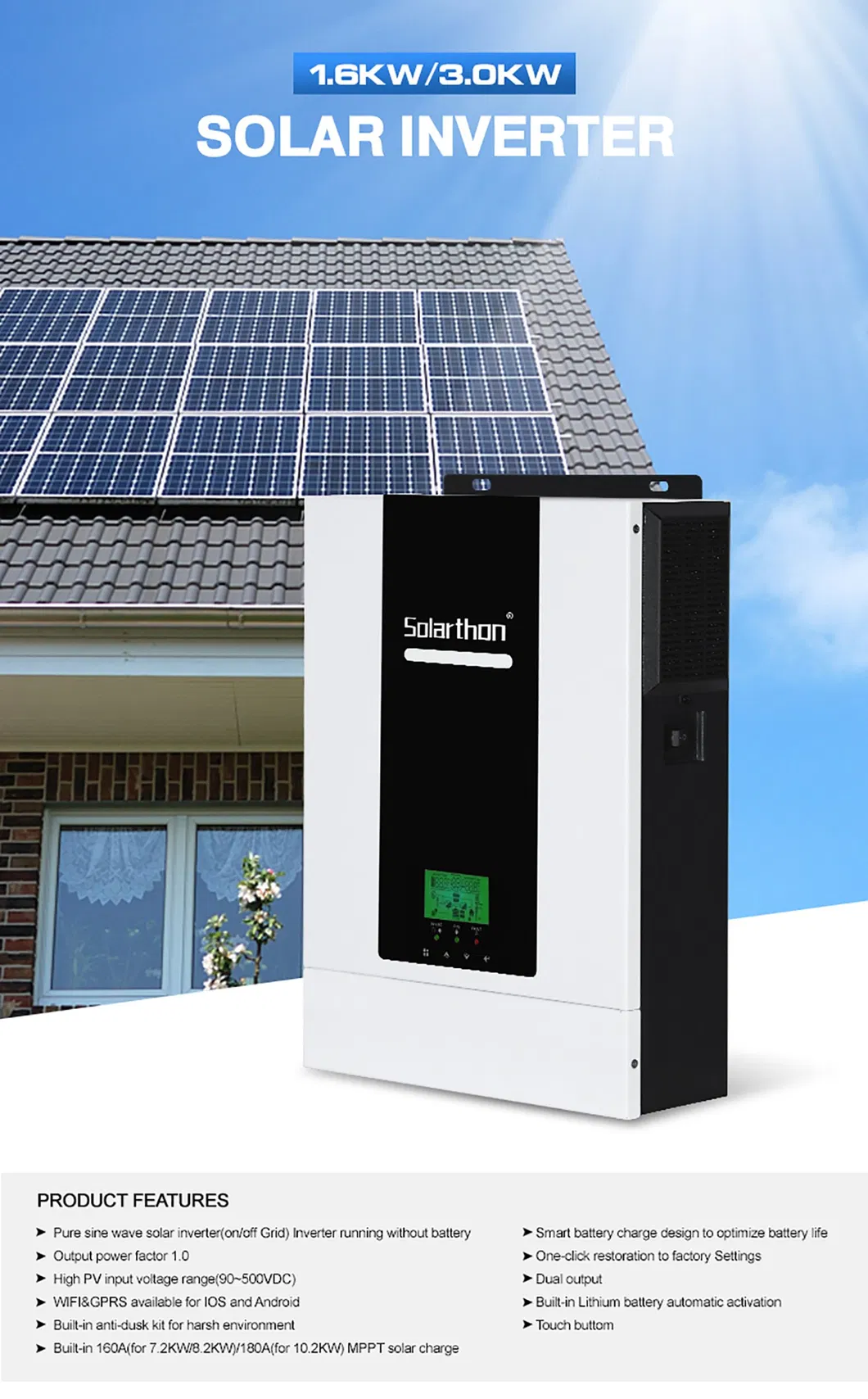
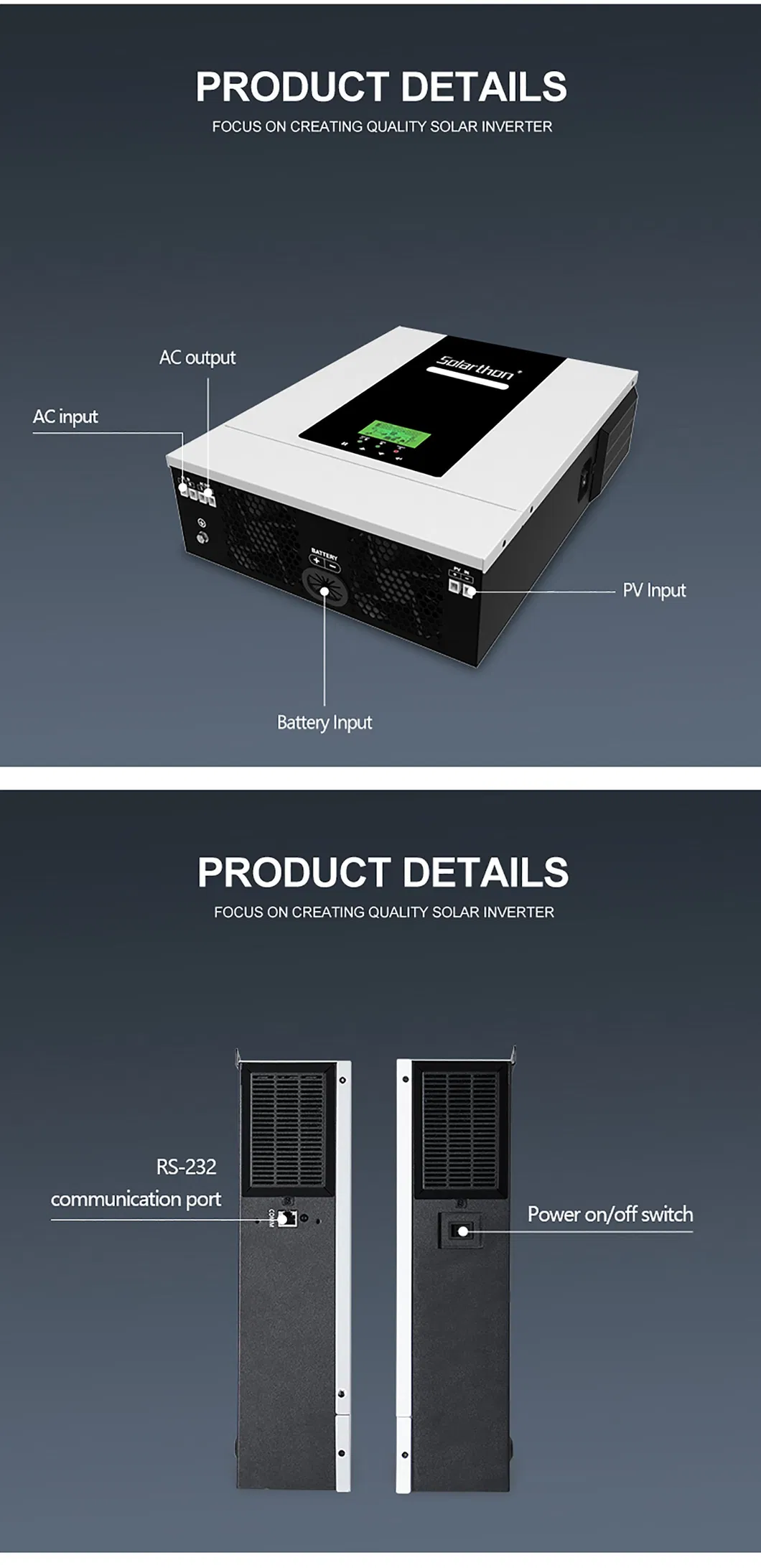
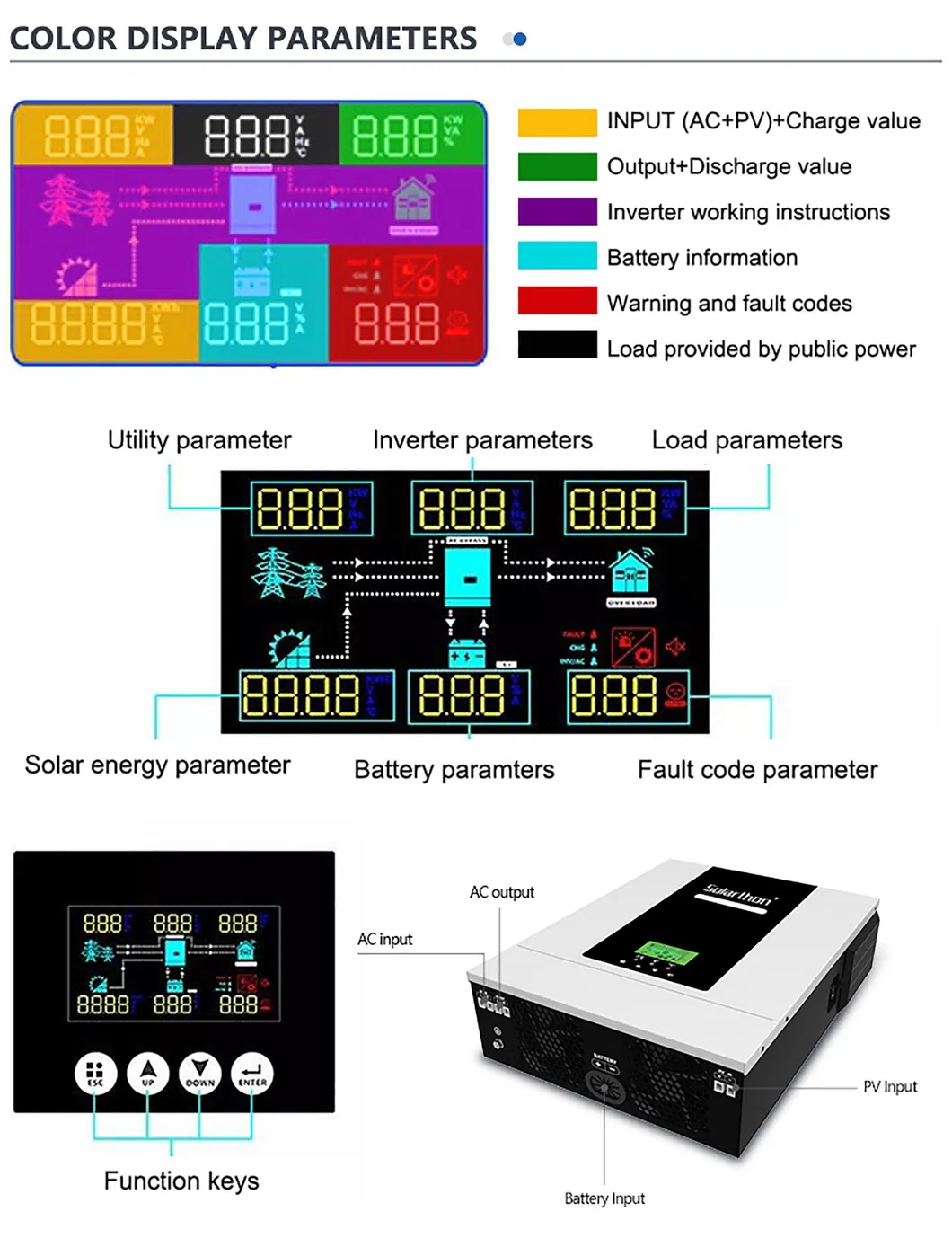
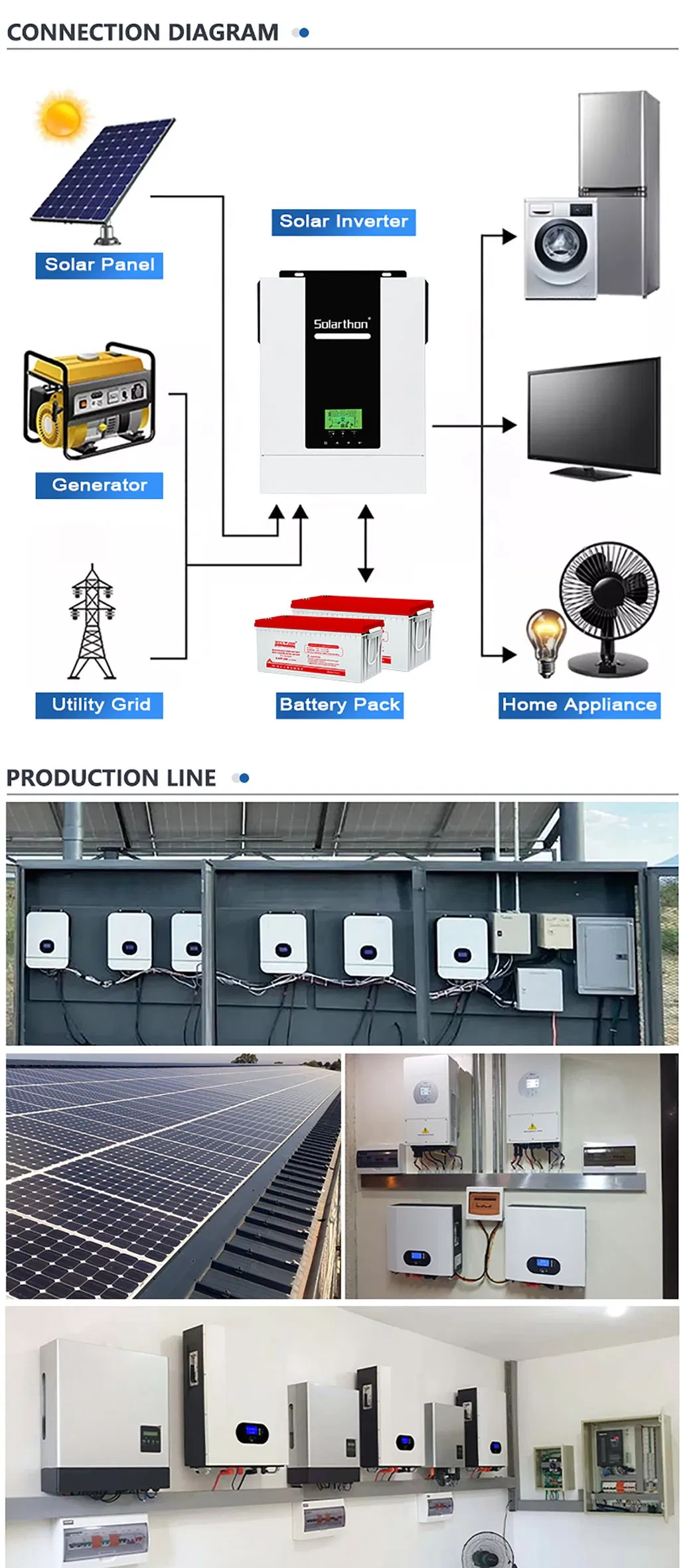
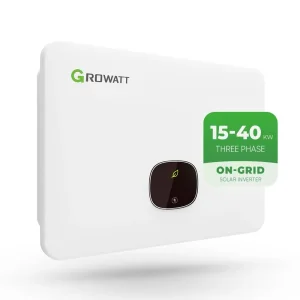
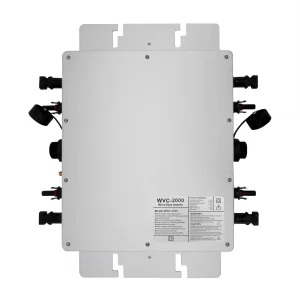
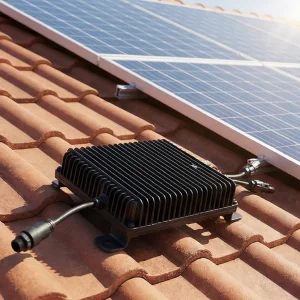
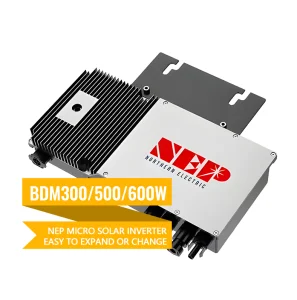
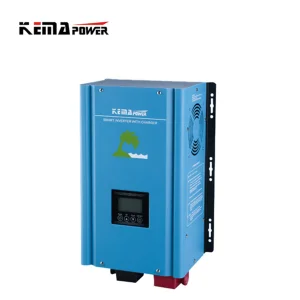
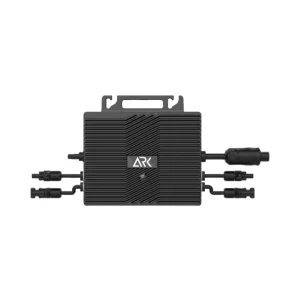
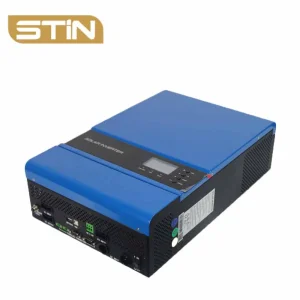
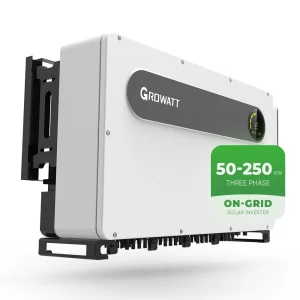
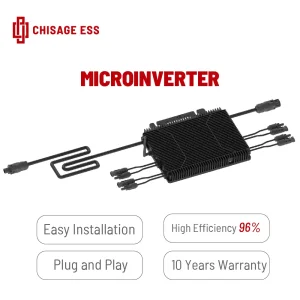
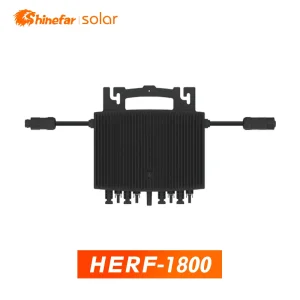
Hybrid solar inverter with MPPT charge controller is a new type of all-in-one hybrid solar inverter charger, multi-function inverter/charger, which combines the functions of inverter, solar charger and battery charger to provide uninterruptible power supply support in portable size. Support dual PV input, dual MPPT voltage tracking. RGB flexible with different working modes (purple photovoltaic mode; Red battery mode, blue utility mode).
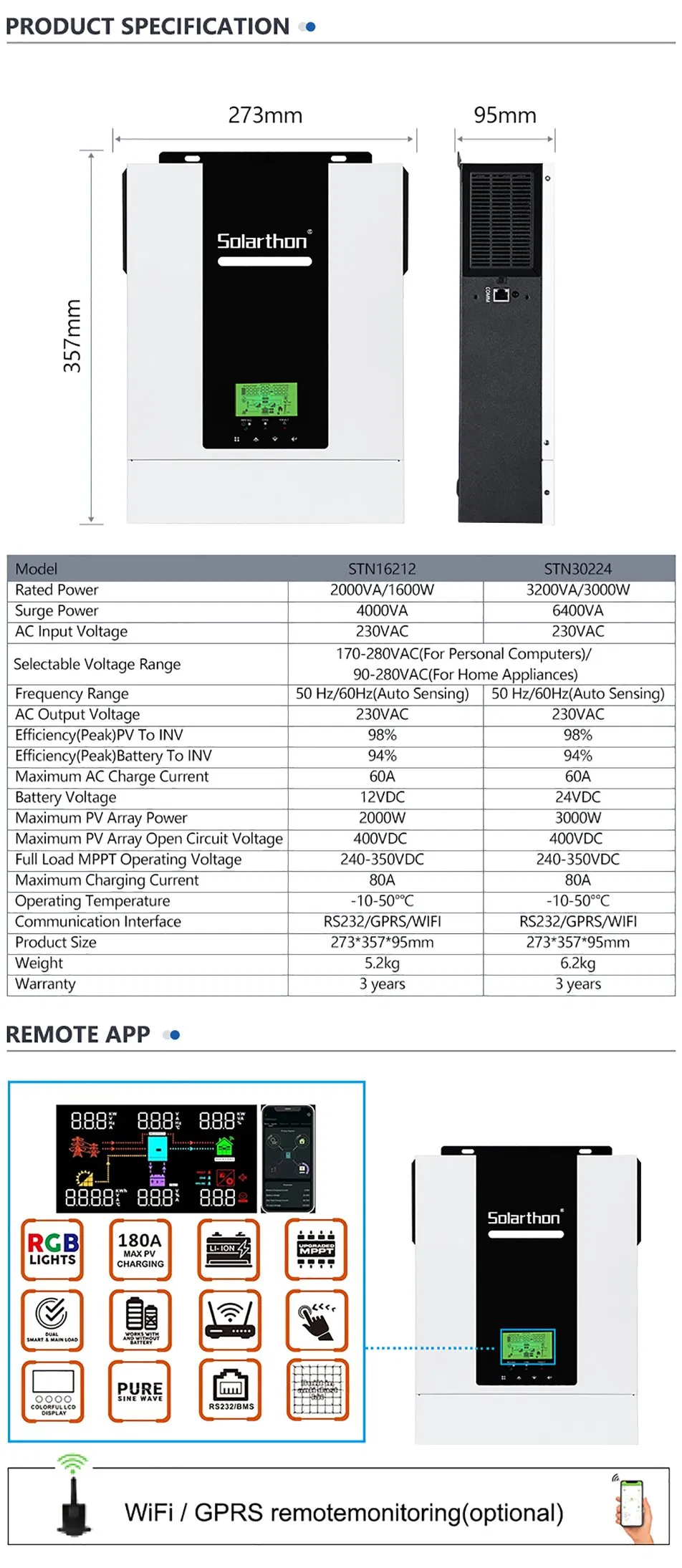
| Model |
STN16212 |
STN30224 |
| Rated Power | 2000VA/1600W | 6200W |
| Surge Power | 4000VA | 360VDC |
| AC Input Voltage | 230VAC | 500VDC |
| Frequency Range | 50 Hz/60Hz(Auto) | 50 Hz/60Hz(Auto) |
| Battery Voltage | 12VDC | 24VDC |
| Max PV Array Power | 2000W | 3000W |
| Warranty | 3 Years |
?
Frequently Asked Questions
Are your inverters pure sine wave output?
Yes, all are true pure sine wave. Pure sine wave output inverter is just as good as the public power grid, if not better. It features low repair rates, long lifespan, no harmonic pollution, and is environmentally friendly.
What is the difference between pure sine wave and modified sine wave inverters?
Pure sine wave protects appliances and has a long lifespan. Modified sine wave can have negative impacts on appliances and cannot load inductive loads like air conditioners or refrigerators.
What kind of output voltages can you provide?
Normally we produce inverters with 110V, 115V, 120V, 220V, 230V, and 240V, 50/60Hz self-adaptation. Special requirements can be consulted with our engineers.
What appliances can your inverters handle?
Our inverters can be used for household, office, and agricultural appliances, including inductive loads such as refrigerators, air conditioners, and water pumps.
How do I choose the right inverter?
Please share your specific power demands and appliance types with our sales team, and they will recommend the most suitable model for your needs.
What is the difference between 12, 24, and 48 volt inverters?
This refers to the input voltage from the battery bank. Higher voltages mean less current, allowing for smaller wires between the solar array and battery bank. All components (panels, inverter, batteries) must use the same voltage.
 Ran Solar