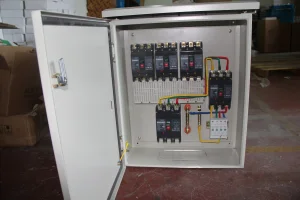
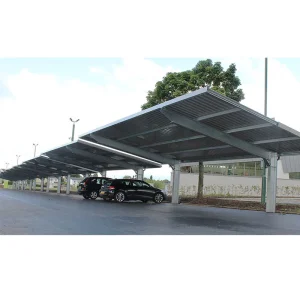
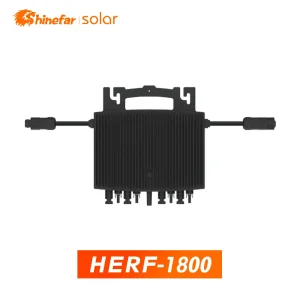
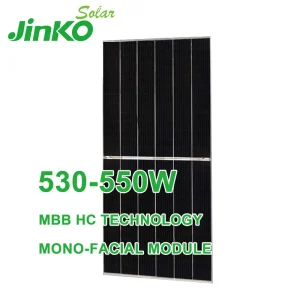
Explore our tier-1 engineered photovoltaic equipment, ranging from IP65 outdoor AC combiner boxes and dual-axis solar trackers to N-Type TOPCon bifacial modules and intelligent micro-inverters.
As a leading solar products manufacturer, Anhui Ran Solar Co., Ltd. specializes in the research, development, production, and global sales of high-quality solar PV products. Since our establishment in 2011, Anhui Ran Solar has achieved remarkable milestones, surpassing many competitors in production capacity, innovative designs, and technological advancements. We firmly believe that innovation drives progress, and we continually pursue new technologies and higher efficiencies to empower a sustainable energy future.
Currently, Anhui Ran Solar boasts a global production capacity of 7.5 GW, serving customers across more than 80 countries with premium products and professional services. By the end of 2023, over 15 GW of our solar modules have been deployed worldwide, powering residential, commercial, and utility-scale projects.
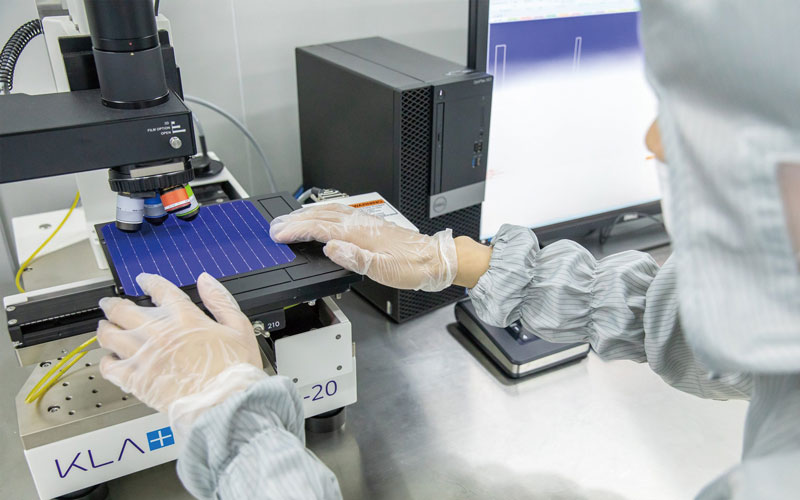
Innovation is at the core of Anhui Ran Solar’s strategy. We provide a full spectrum of advanced renewable energy technologies to meet the unique needs of every customer, whether utilities, commercial enterprises, or industrial clients. Our dedicated R&D team continuously explores next-generation solar solutions, including high-efficiency modules, bifacial technologies, and smart energy solutions.
We invest heavily in state-of-the-art laboratory equipment and recruit top-tier engineering talent, ensuring that our products remain at the cutting edge of the renewable energy industry. This relentless pursuit of technological innovation enables our customers to achieve higher performance, reduced costs, and superior reliability in their solar installations.
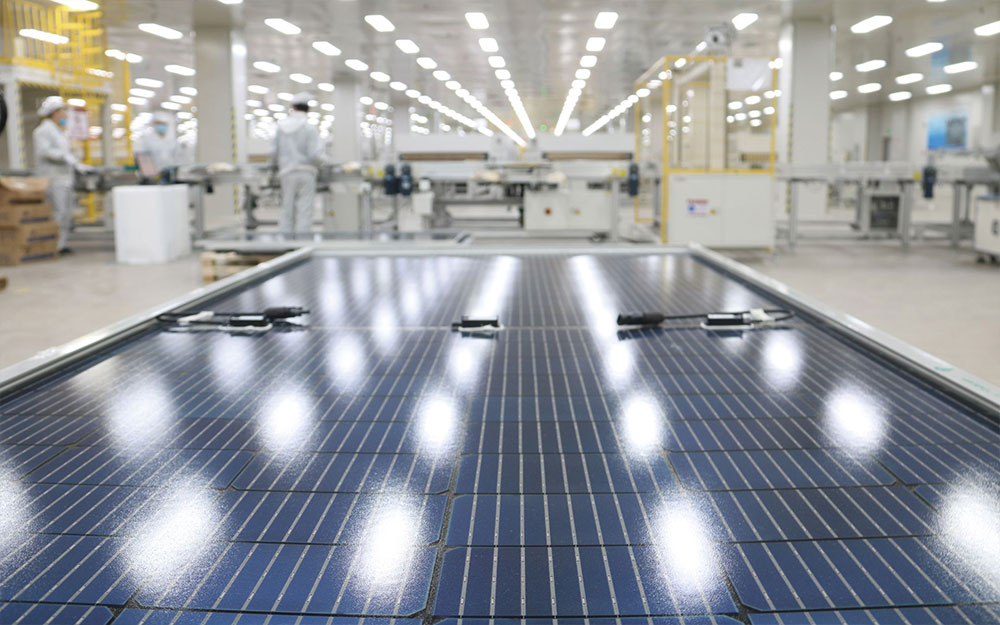
At Anhui Ran Solar, our modularized, fully automated production lines enable rapid delivery, optimized costs, and consistent quality. We have segmented the production process into closely coordinated, automated sectors to maximize efficiency and minimize human error.
Over 40 patented technologies have been implemented to optimize production processes, covering every stage from raw material inspection to final packaging. Each step is monitored and recorded in real time, ensuring traceability, precision, and reliability across our manufacturing operations.
Stringent quality control is the cornerstone of our operations. Our customers expect—and receive—uncompromising quality and performance, even in the most extreme conditions.
Anhui Ran Solar invests continuously in advanced testing equipment and professional employee training to maintain these high standards. Our products have achieved certifications for Quality Management System (ISO 9001:2015), Environmental Management System (ISO 14001:2015), and Occupational Health and Safety Management System (ISO 45001:2018) from both DNV GL and GZCC, reflecting our commitment to excellence, sustainability, and workplace safety.
China's dominance in the global renewable energy ecosystem is rooted in unprecedented industrial clustering, end-to-end supply chain integration, and rapid technological iteration. For international B2B buyers, utility developers, and EPC contractors, sourcing smart grid solar solutions directly from tier-1 Chinese exporters like Anhui Ran Solar offers structural advantages that extend far beyond initial procurement costs.
From raw quartz processing, polysilicon crystallization, and ingot pulling to N-Type TOPCon/HJT cell fabrication, junction box assembly, and IP66 combiner box housing, Chinese OEM/ODM factories operate within tightly coupled industrial ecosystems. This vertical alignment reduces logistics friction, guarantees strict material traceability, and delivers an average 20-30% cost-efficiency over fragmented international supply chains.
Modern Chinese solar facilities deploy fully automated Robotic Process Automation (RPA), AI-driven EL (Electroluminescence) defect detection, and automated guided vehicles (AGVs). By integrating MES (Manufacturing Execution Systems) with cloud-based SCADA platforms, manufacturing tolerance is maintained at sub-millimeter precision, virtually eliminating micro-cracks and soldering defects.
Navigating complex international grid codes requires agile manufacturing capabilities. Chinese engineering teams excel at tailoring PV bracket structures, adjusting string inverter MPPT voltage thresholds, custom-engineering basalt fiber anti-corrosion components, and configuring localized communication protocols (Modbus, CANbus, IEC 61850) with turn-around times measured in weeks rather than months.
| Manufacturing Benchmark | Standard Industry Average | Anhui Ran Solar Factory Standard | Impact on Project LCOE |
|---|---|---|---|
| Cell Efficiency (N-Type TOPCon) | 23.5% - 24.2% | 25.8% - 26.5% | +4.5% Higher Annual Energy Yield (kWh) |
| Quality Inspection Protocols | 1x EL Testing + Visual Check | 3x Full EL Testing + Thermal Cycling | Zero Micro-crack guarantee upon arrival |
| Enclosure Protection Class | IP65 Standard Enclosure | IP66 / IP68 Hermetic Sealed | Prevents moisture ingress in desert/coastal zones |
| Patented Innovations | 5 - 10 Utility Patents | 40+ Certified Tech Patents | Long-term operational structural stability |
The transition from centralized fossil-fuel power grids to decentralized, digitalized smart grids is accelerating worldwide. Solar power is no longer merely an intermittent generation source; it is becoming an active, dispatchable grid asset driven by artificial intelligence, microgrids, and advanced power electronics.
P-Type PERC technology has reached its physical efficiency ceiling (~23.2%). The industry has fully pivoted toward N-Type TOPCon (Tunnel Oxide Passivated Contact) and HJT cell architectures. Featuring lower power temperature coefficients (-0.30%/°C), zero Light-Induced Degradation (LID), and superior bifacial factors (up to 85%), N-Type modules optimize Levelized Cost of Electricity (LCOE) across high-irradiance regions.
Grid operators increasingly mandate solar plants to provide dynamic frequency regulation, reactive power compensation, and black-start capabilities. Smart grid inverters are shifting from grid-following topology to grid-forming algorithms, allowing micro-inverters and string inverters to emulate mechanical inertia and stabilize local microgrids under variable load conditions.
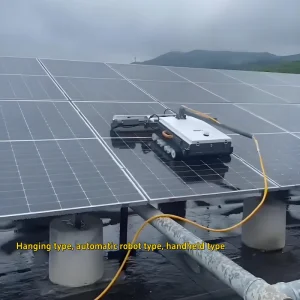
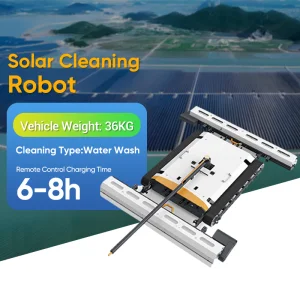
Dust, particulate, and organic soiling can cause power losses up to 35% in desert or industrial environments. The integration of fully autonomous, remote-controlled solar panel cleaning robots combined with drone-based thermography guarantees continuous peak yield without high manual labor costs or water waste.
Smart grid solar solutions are designed to operate across diverse environmental and infrastructural conditions. Below are four primary deployment frameworks engineered by Anhui Ran Solar:
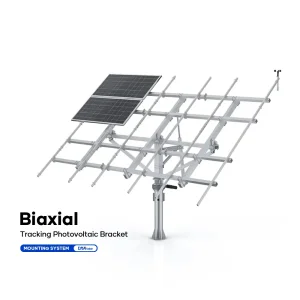
In high-temperature, high-irradiance desert zones, thermal degradation and sand abrasion pose constant risks. Our solution combines N-Type Dual-Glass Monocrystalline Modules (600W+) mounted on Dual-Axis Automatic Trackers, monitored by IP66-rated string inverters and maintained by automated dry-cleaning robots. Basalt fiber racking brackets provide non-corrosive, long-term structural integrity against windstorms.
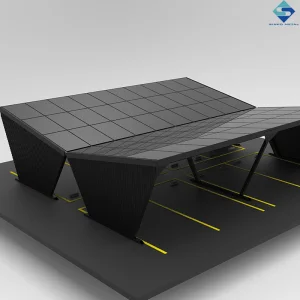
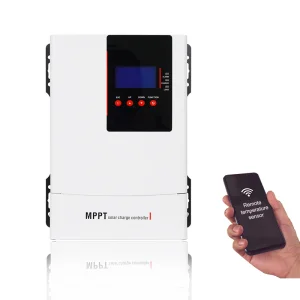
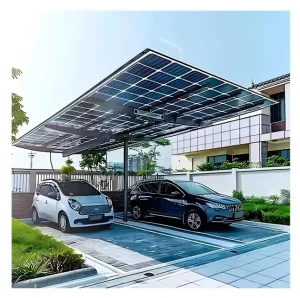
Urban spaces demand dual-use infrastructure. Adjustable 1 MW steel and aluminum mounting systems transform parking lots into high-capacity clean energy hubs. Integrated with MPPT charge controllers, outdoor waterproof AC combiner boxes, and fast-charging EV stations, these carports deliver localized power while shielding vehicles from weather elements.
Coastal and floating solar projects face severe salt spray, high humidity, and chemical corrosion. Standard steel brackets rust rapidly. By deploying anti-aging basalt fiber solar racking paired with double-glass bifacial modules and IP66 string inverters, system operators achieve a 30-year operational lifespan with minimal structural O&M costs.
A reliable smart grid solar power plant requires flawless integration between energy harvesting, power conditioning, safety protection, and real-time monitoring. Below is the full architectural breakdown of our holistic smart grid engineering design:
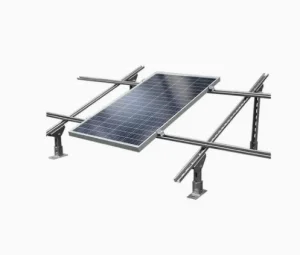
Composed of high-output N-Type TOPCon bifacial modules (580W - 610W) mounted on dual-axis trackers or heavy-duty basalt fiber racking. The dual-glass construction provides mechanical strength against snow loads (5400 Pa) and wind pressure (2400 Pa) while capturing ground albedo reflections for up to 30% additional power generation.
Multiple PV strings feed directly into IP65/IP66 waterproof combiner boxes equipped with surge protection devices (SPD), DC fuses, and string-level current monitoring. This prevents reverse-current faults and isolates individual array strings during maintenance without shutting down the entire facility.
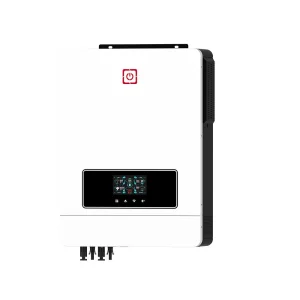
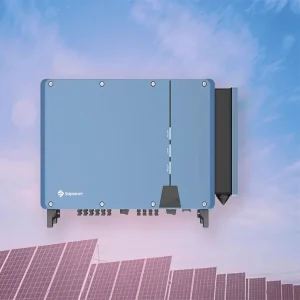
High-efficiency string inverters (75kW to 110kW+) and micro-inverters utilize multi-MPPT tracking to maximize energy extraction under non-uniform shading. The smart inverter firmware dynamically adjusts reactive power (cos φ), regulates voltage spikes, and interfaces with utility SCADA networks via Modbus or Ethernet.
For corporate buyers, energy engineering firms, and procurement directors, selecting the correct smart grid supplier requires rigorous evaluation across key benchmarks:
Tier-1 certified manufacturers must hold verified IEC 61215, IEC 61730, UL 61730, and CE certifications. Ensure supplier quality systems adhere to ISO 9001 (Quality), ISO 14001 (Environmental), and ISO 45001 (Occupational Safety) validated by recognized international bodies such as DNV GL.
Standard quality expectations require a minimum 12-year product materials warranty and a 30-year linear power output warranty guaranteeing no less than 87.4% nominal power output at year 30 for N-Type TOPCon dual-glass modules.
Verify that your exporting partner offers comprehensive containerized packing (vertical portrait orientation to prevent micro-cracking during sea freight), anti-dampness vacuum shrink sealing, and flexible INCOTERMS support (FOB, CIF, DDP).
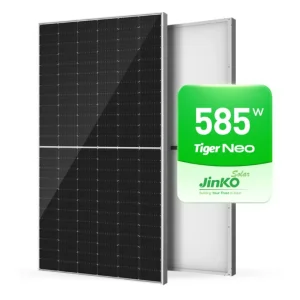
Complete your smart solar system with high-durability acrylic panels, 600W+ bifacial modules, high-frequency off-grid inverters, and high-efficiency cleaning robots.
In-depth technical clarifications for energy consultants, project engineers, and international sourcing teams.
 Ran Solar