The global energy landscape is undergoing a seismic shift. As of 2024, the photovoltaic (PV) industry has transitioned from a niche renewable sector to the primary driver of new power generation capacity worldwide. Driven by the urgent need for decarbonization and energy security, global solar installations are projected to maintain a double-digit growth rate through the end of the decade.
In regions like the European Union, the "REPowerEU" initiative has accelerated the adoption of rooftop and utility-scale solar to reduce dependency on fossil fuels. Meanwhile, in Southeast Asia and the Middle East, massive solar parks are being deployed to meet rising industrial electricity demands. This global surge has created a sophisticated ecosystem where reliable factories and suppliers are the backbone of project success.
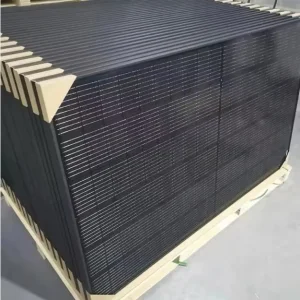
The industry is rapidly shifting from P-type PERC to N-type TOPCon technology. These modules offer higher conversion efficiency, lower degradation, and better performance in low-light conditions, ensuring a higher ROI for long-term investments.
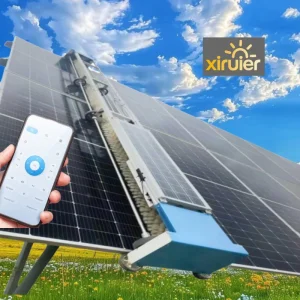
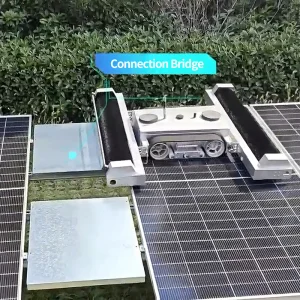
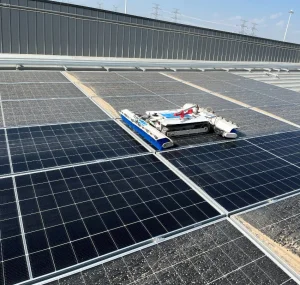
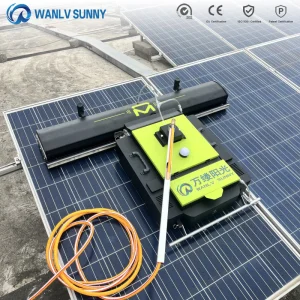
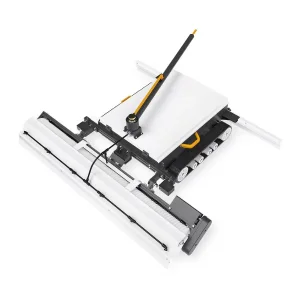
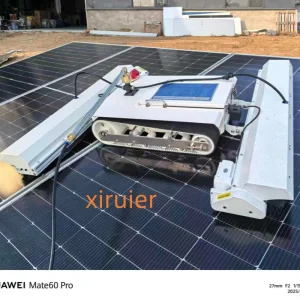
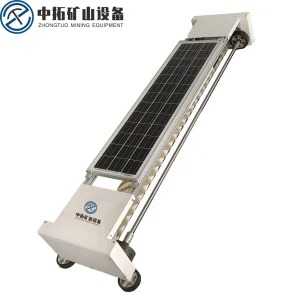
Maintaining efficiency is paramount. Automated solar panel cleaning robots are becoming standard in large-scale plants, especially in arid regions where dust can reduce output by up to 30%. Robotic solutions ensure maximum yield without manual labor risks.
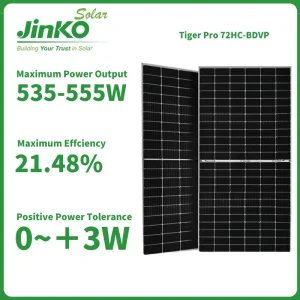
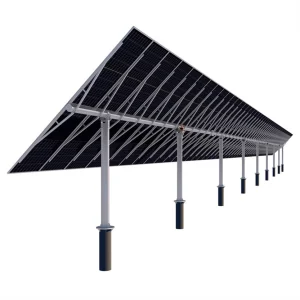
Bifacial technology, which captures sunlight from both sides, is now the preferred choice for utility projects. When combined with tracking systems, bifacial modules can increase energy gain by up to 25% compared to monofacial panels.
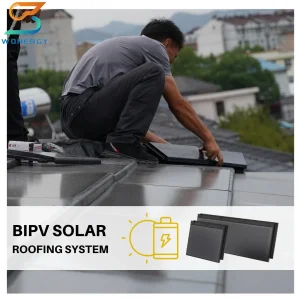
Building Integrated Photovoltaics (BIPV) are transforming urban architecture. Solar tiles and shingles allow buildings to generate power while maintaining aesthetic integrity, a key trend in sustainable urban development in the US and Europe.
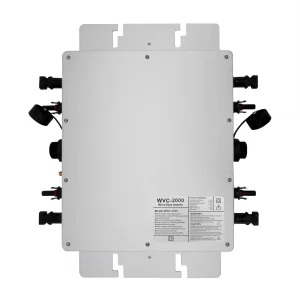
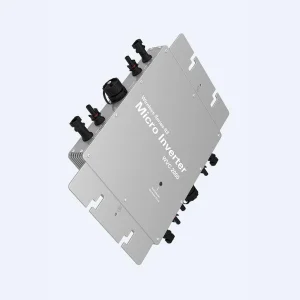
For residential and commercial rooftops, micro-inverters are gaining ground over string inverters. They offer module-level optimization, enhanced safety (lower DC voltage), and easier system scalability.
Solar is no longer just about generation; it's about dispatchability. The integration of Battery Energy Storage Systems (BESS) allows for 24/7 solar power, smoothing out the intermittency and providing grid stability.
While China remains the global hub, there is a growing trend toward diversified supply chains. However, the cost-efficiency and R&D speed of top-tier Chinese factories like Anhui Ran Solar continue to lead the global market.
AI is being used to predict maintenance needs and optimize energy flow. Digital twins of PV plants allow operators to simulate performance and identify issues before they cause downtime.
As early PV installations reach their end-of-life, the focus is shifting to module recycling. Leading manufacturers are now designing for circularity, ensuring materials like glass, aluminum, and silicon can be reclaimed.
The shift toward 210mm and 182mm wafers allows for modules exceeding 600W-700W. Higher power density means fewer modules to install, reducing Balance of System (BOS) costs for EPC contractors.
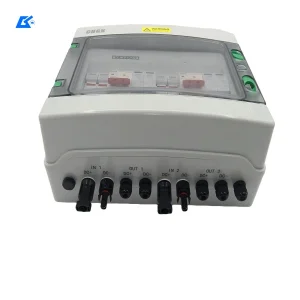
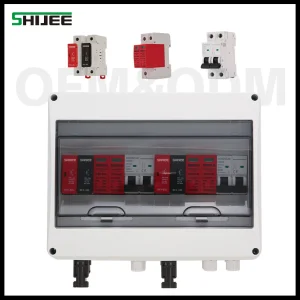
Since 2011, Anhui Ran Solar Co., Ltd. has stood at the forefront of the renewable energy revolution. As a professional manufacturer, we don't just produce panels; we engineer solutions. Our facility integrates the entire PV value chain, ensuring that every component—from the IP65 Combiner Box to the High-Efficiency Monocrystalline Module—meets rigorous international standards.
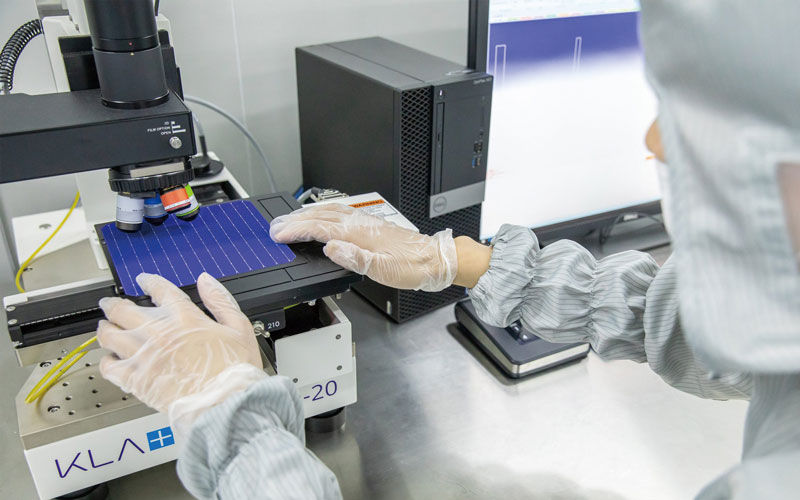
Our 7.5 GW production capacity is powered by modularized, fully automated lines. This "Smart Manufacturing" approach minimizes human error and maximizes precision, allowing us to offer a 25-year performance warranty with absolute confidence. Our R&D team works tirelessly to implement over 40 patented technologies, focusing on the next generation of solar efficiency.
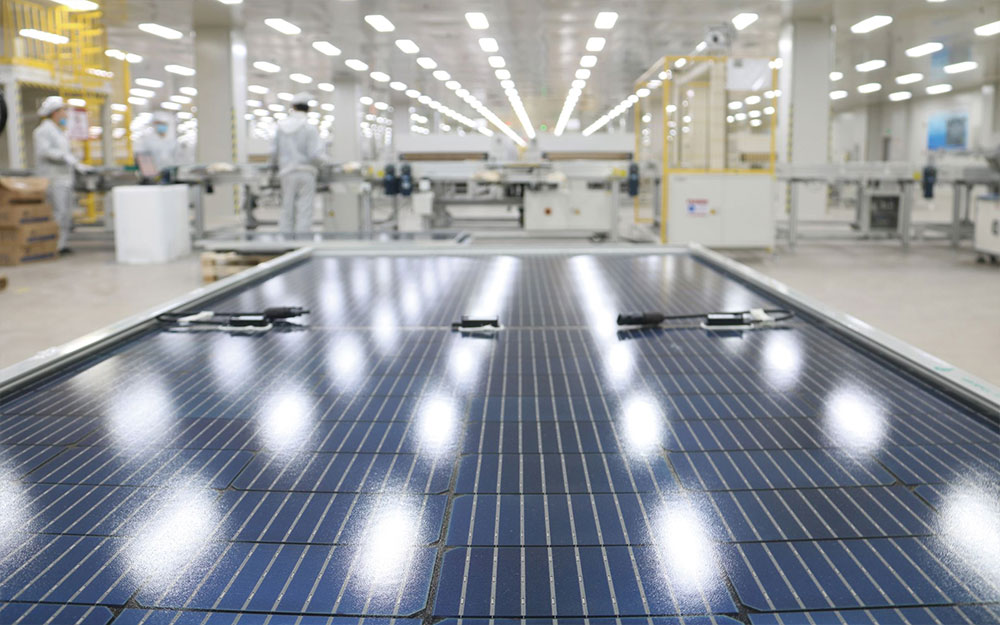
Our high-wattage 700W modules are perfect for factories looking to reduce operational costs and meet "Net Zero" carbon targets.
Utilizing our specialized Solar Panel Cleaning Robots, we ensure utility projects in dusty environments maintain peak performance without wasting water.
With BIPV Roofing Tiles and micro-inverters, we turn modern homes into self-sustaining power plants with sleek, integrated designs.
 Ran Solar