Ran Solar
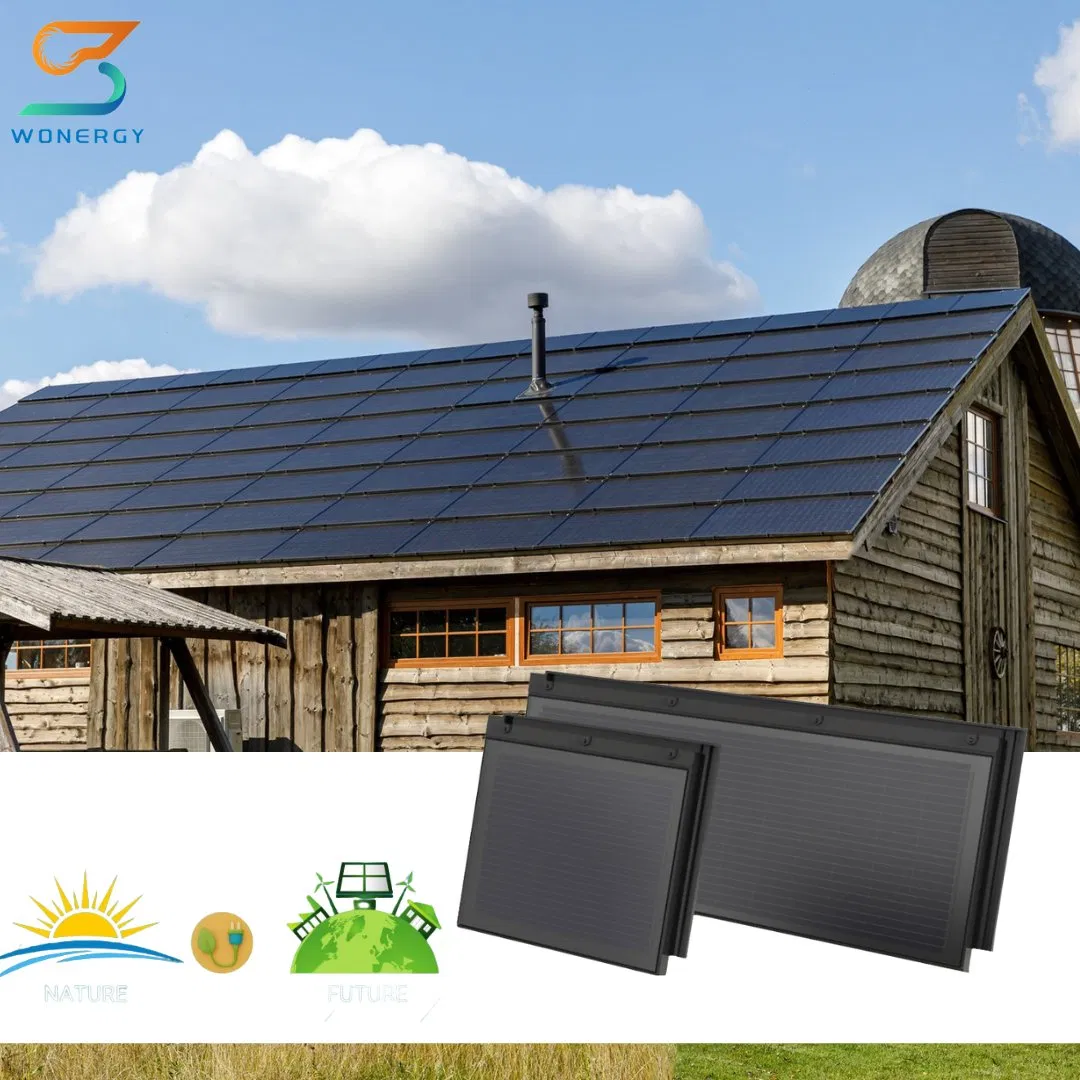
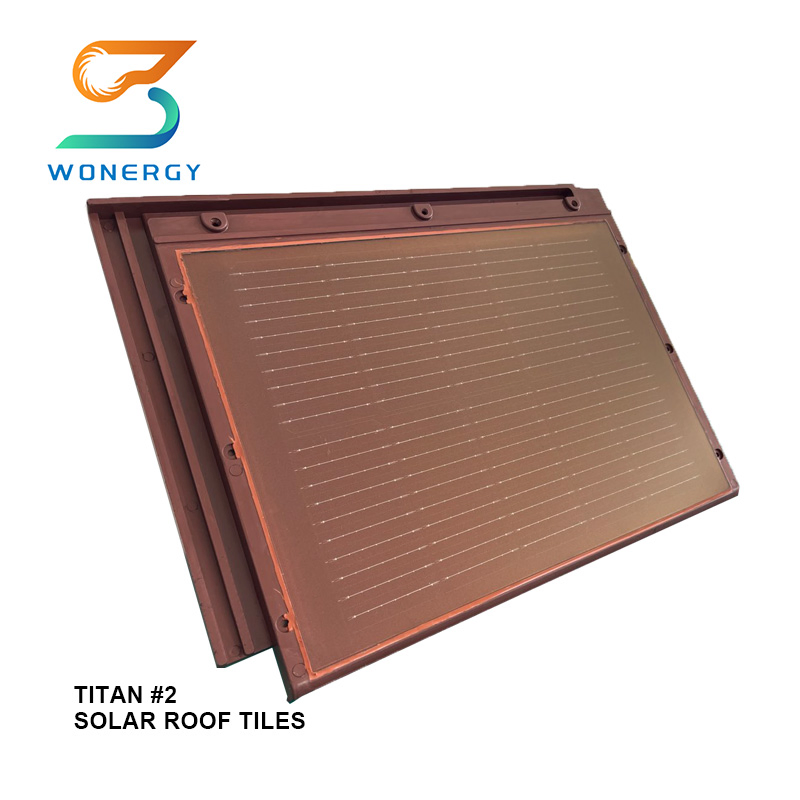
1 / 5
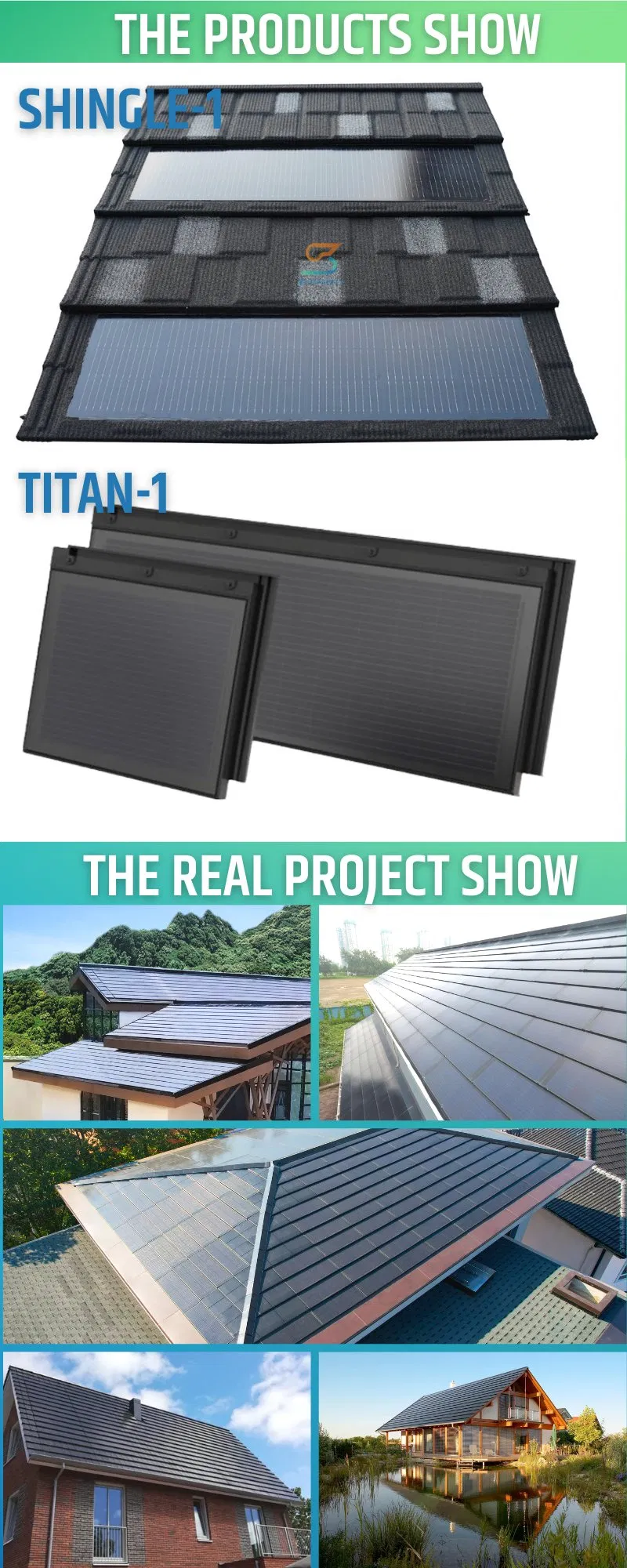
| Model NO. | Solar Tile |
|---|---|
| Number of Cells | 2*12 |
| Application | Rooftop, Commercial/Residential |
| Condition | New |
| Certification | ISO, CE |
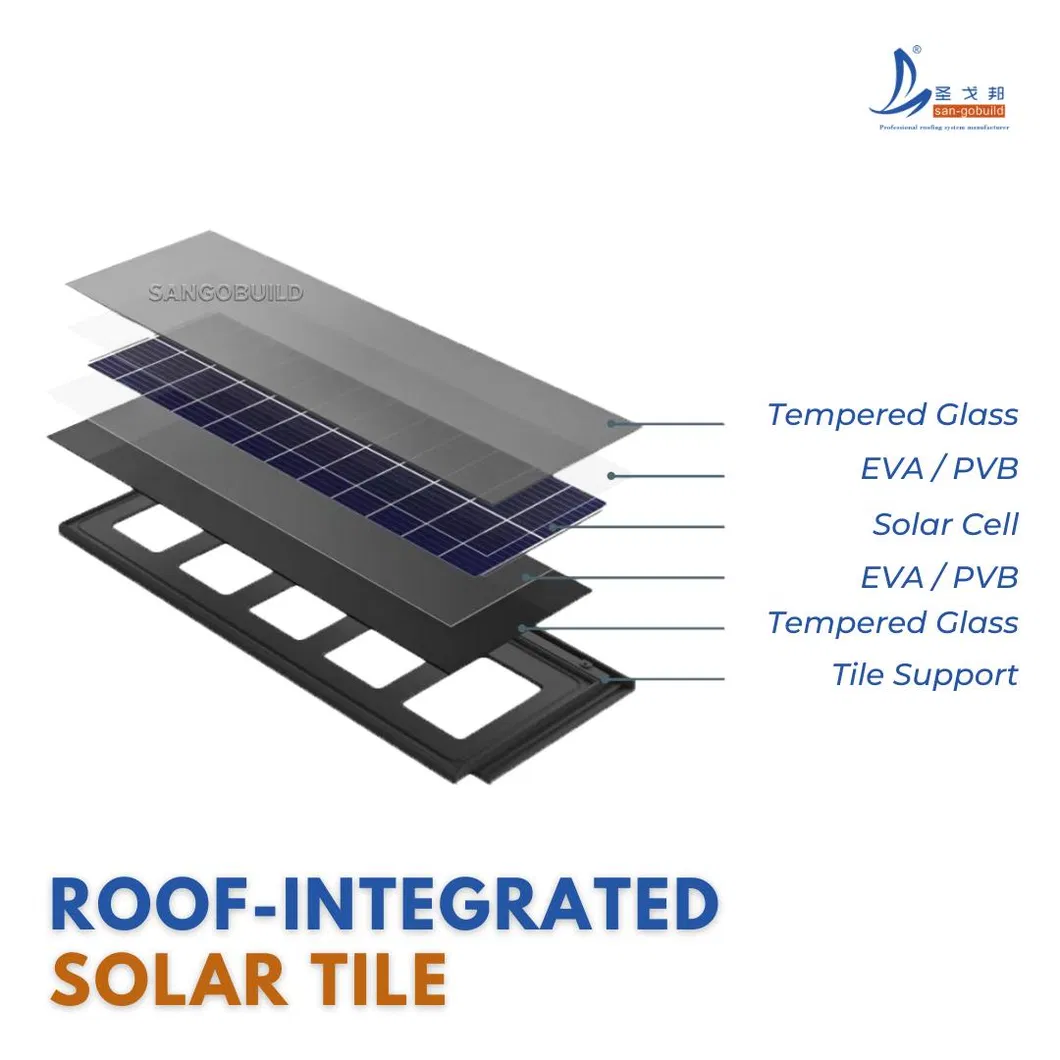
| Material | Monocrystalline Silicon |
| Transmittance | 92% |
| Glass Thickness | 3.2mm |
| Panel Efficiency | 18.4% |
| Advantage | Clean Energy |
| Type | Perc, Half Cell, Bifacial, Double-Glass, All Black |
| Weight Per Tile | 16.5kg / 9kg |
| Specification | 1260*480mm / 630*480mm |
| HS Code | 85414300 |
| Production Capacity | 800,000 Per Month |
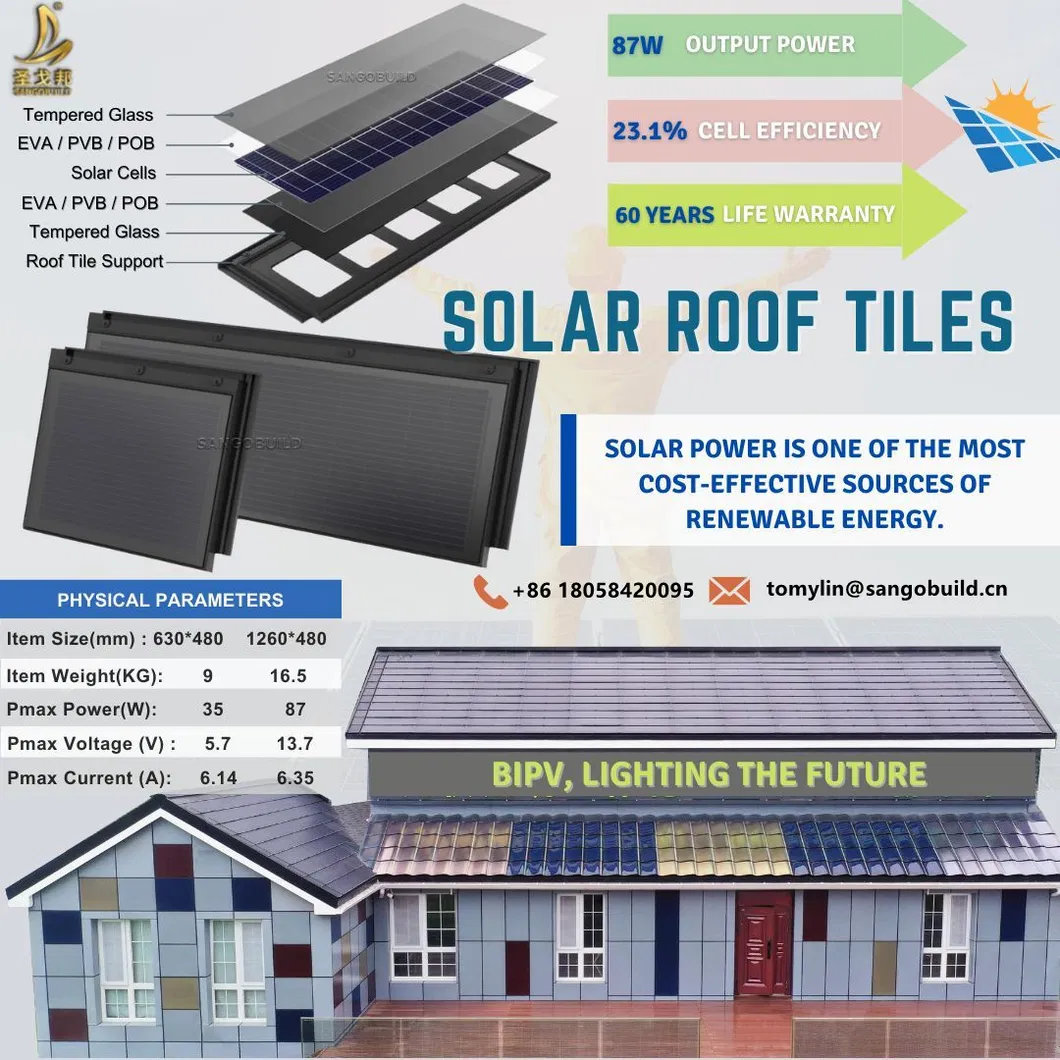
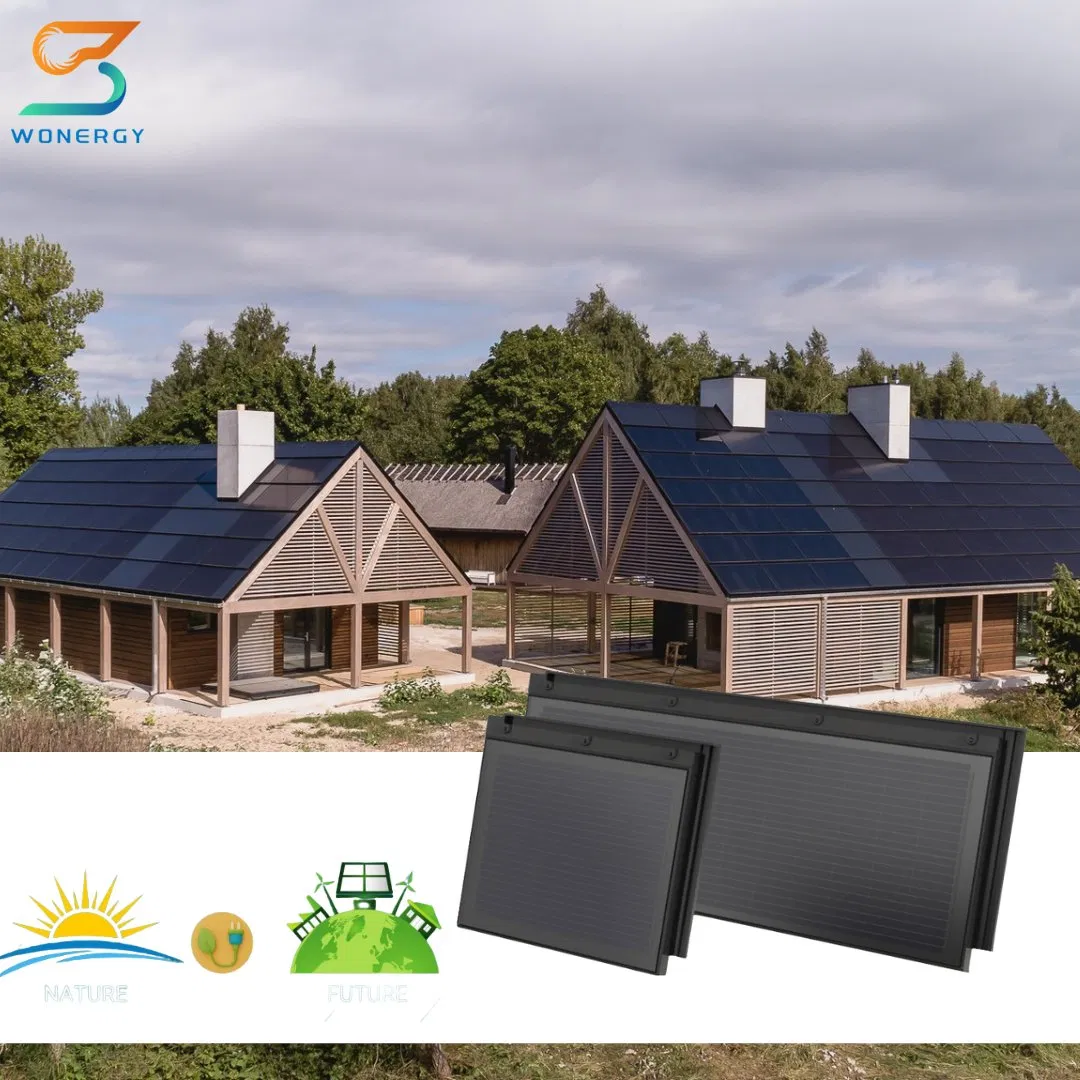
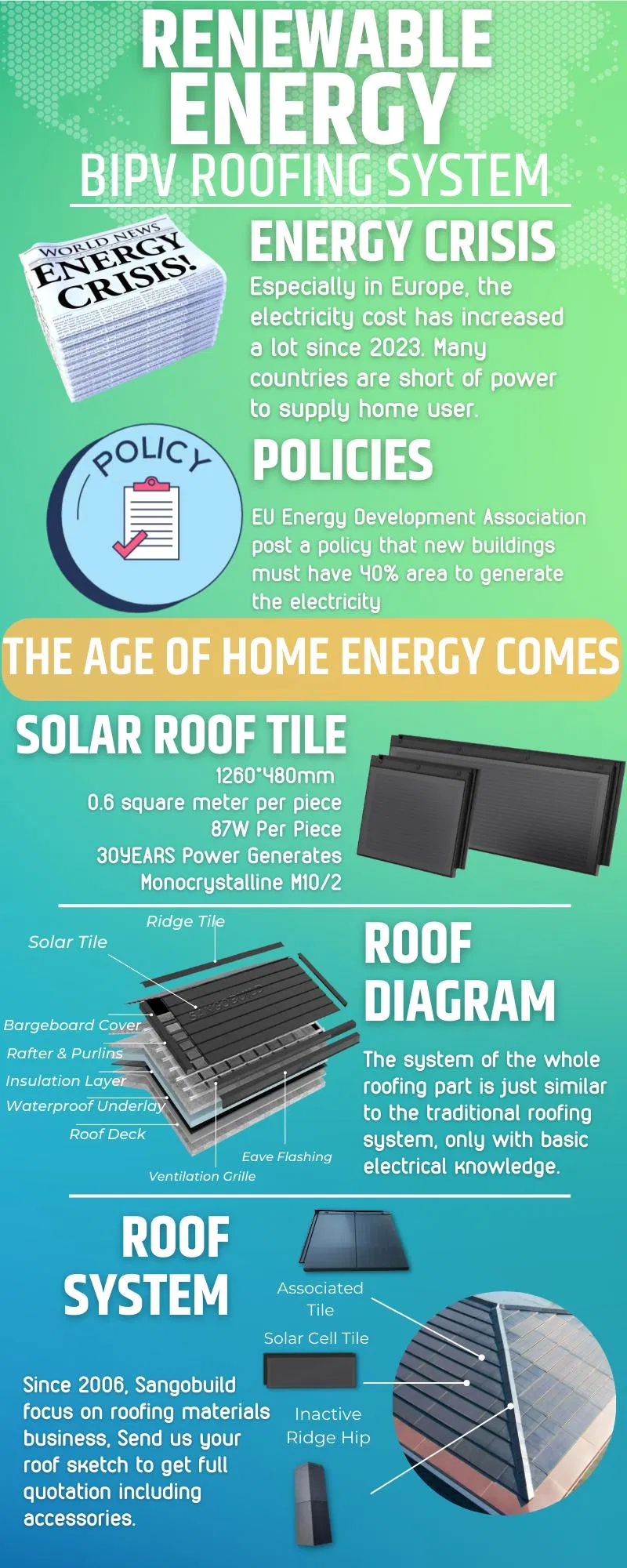
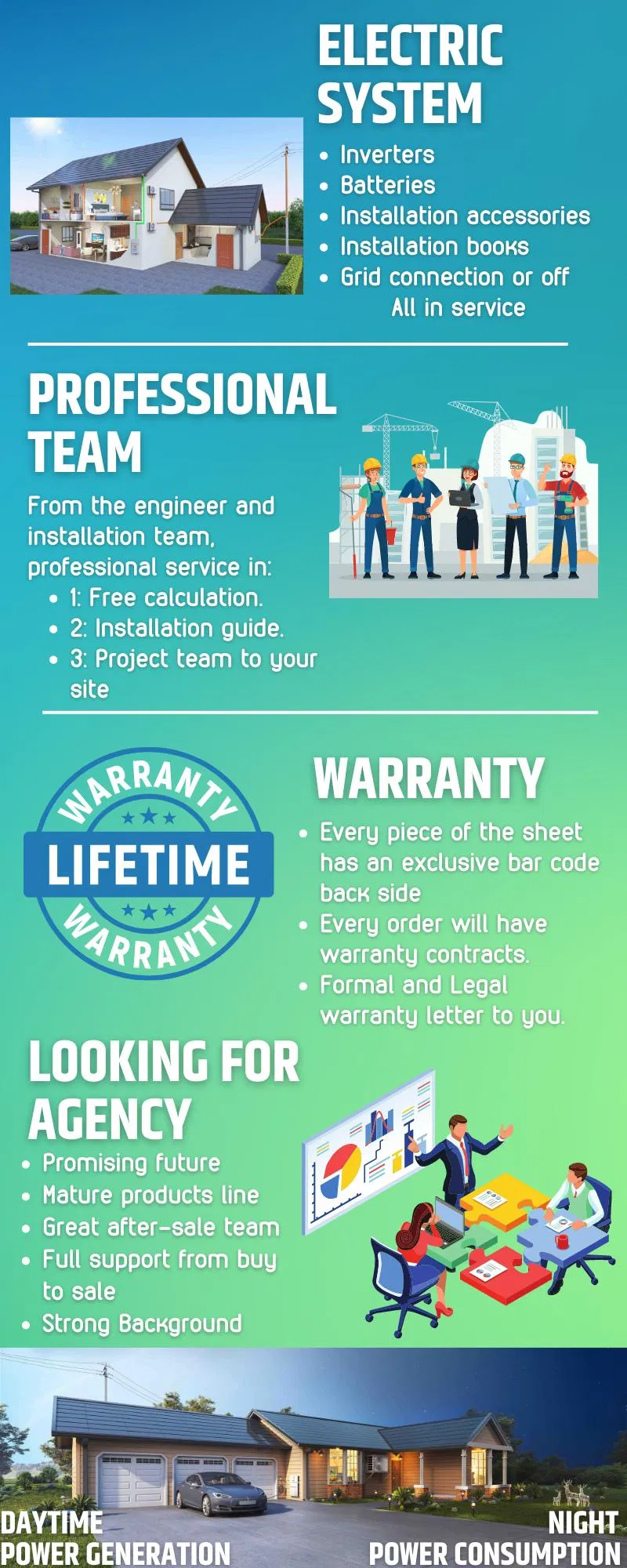
Building-integrated photovoltaics (BIPV) energy is revolutionizing how homeowners can incorporate solar energy production into their homes. BIPVs are built into the house's vital exterior elements, serving the double function of generating renewable energy while performing necessary structural tasks.
This solution is designed for anyone interested in the premium design aspects of roof integration, combining aesthetics with sustainable power.
| Feature | BAPV (Applied) | BIPV (Integrated) |
|---|---|---|
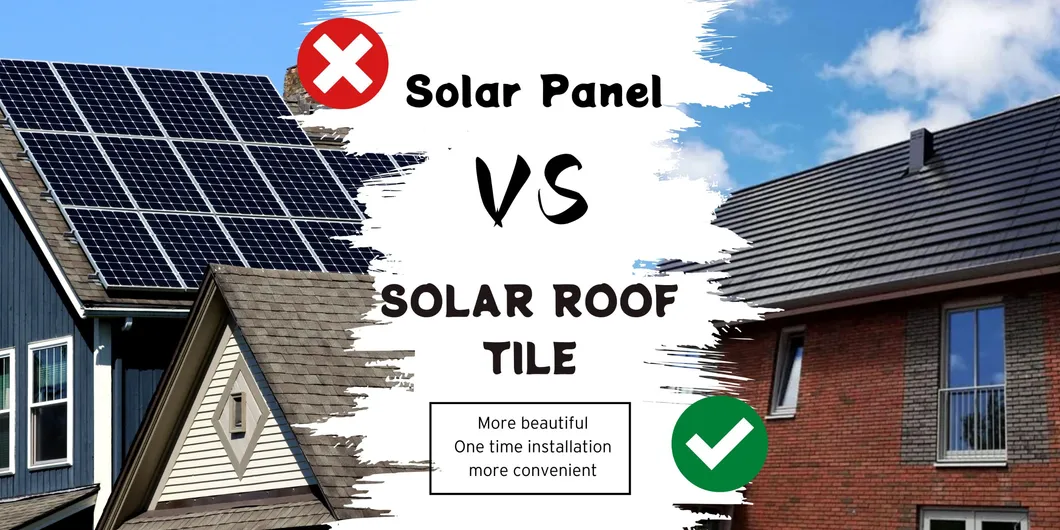
| Installation | Fitting modules to existing surfaces | Replacement of traditional elements |
| Function | Power generation only | Part of integral building structure |
| Appearance | Can look messy/poor integrity | Beautiful, simple, and modern |
| Lifespan | ~20 Years | 60+ Years |
| Security | Complex stress on structure | High structural safety |
| Waterproof | Higher leakage risk | Premium waterproofing resistance |
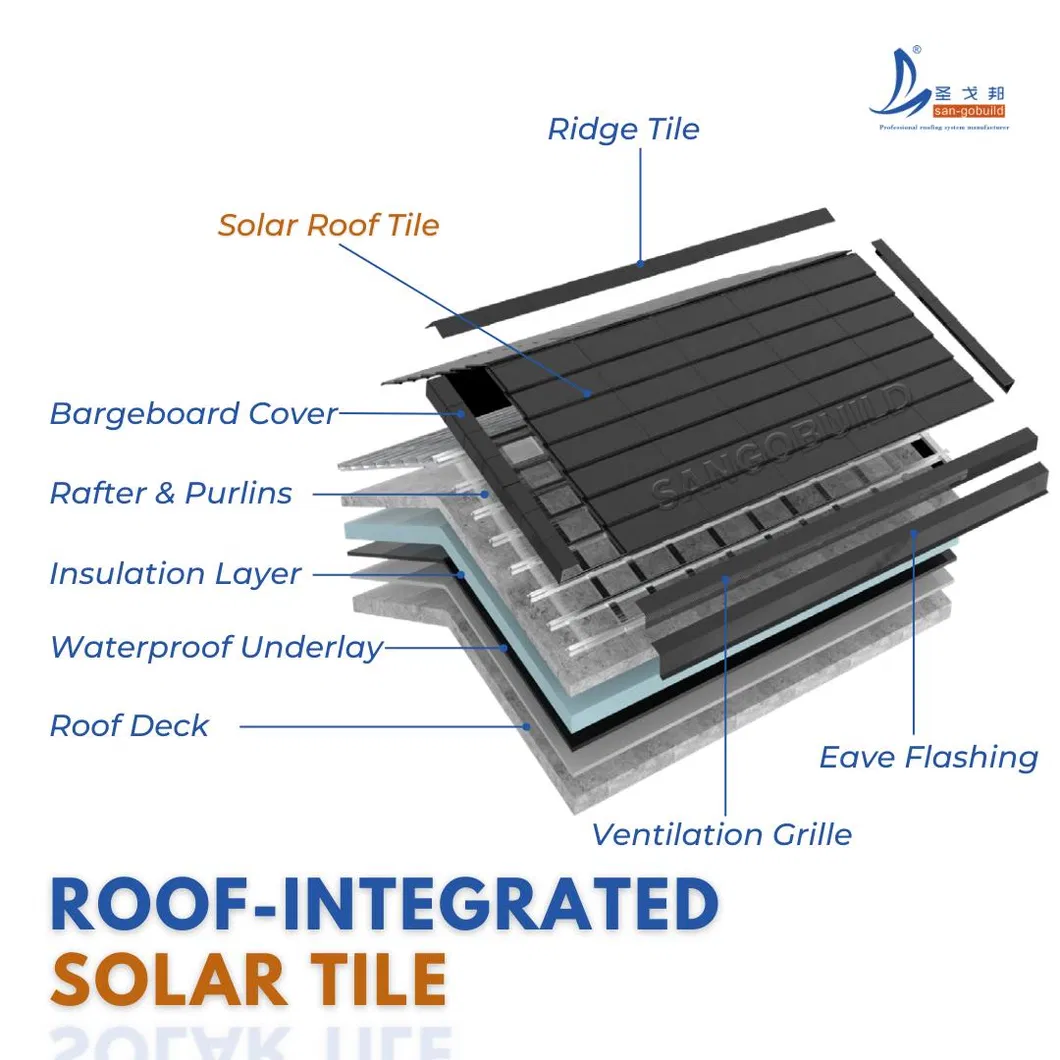
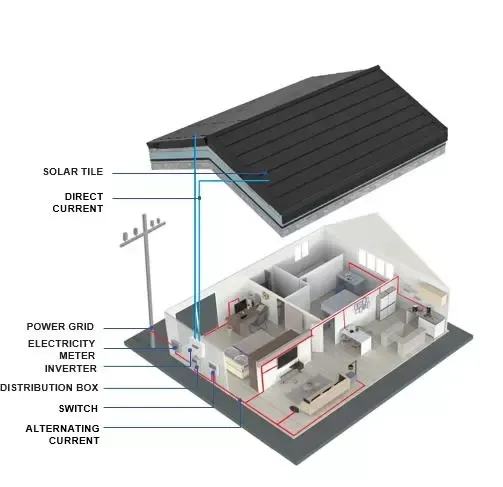
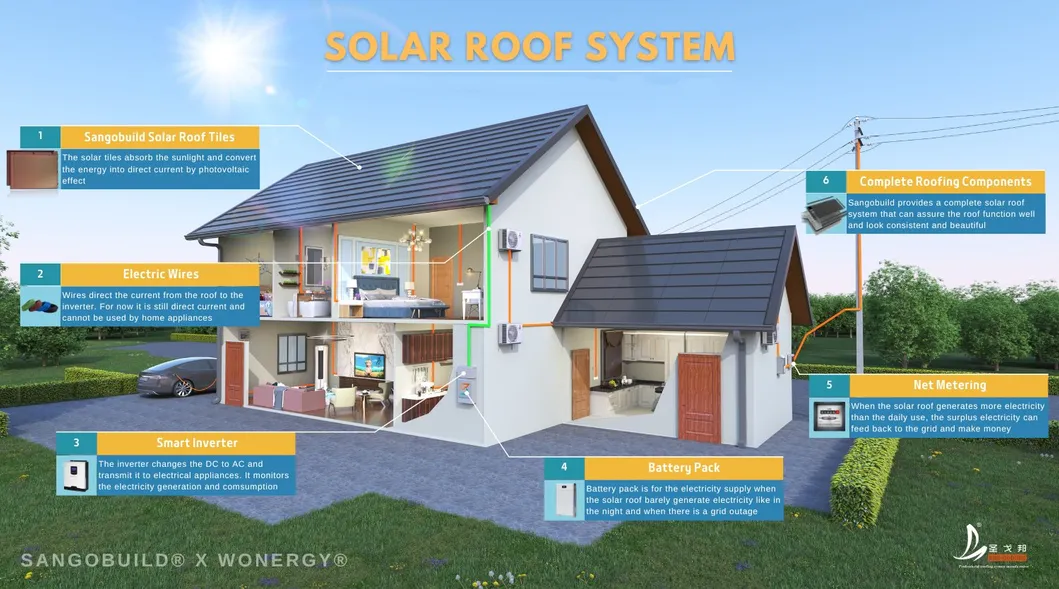
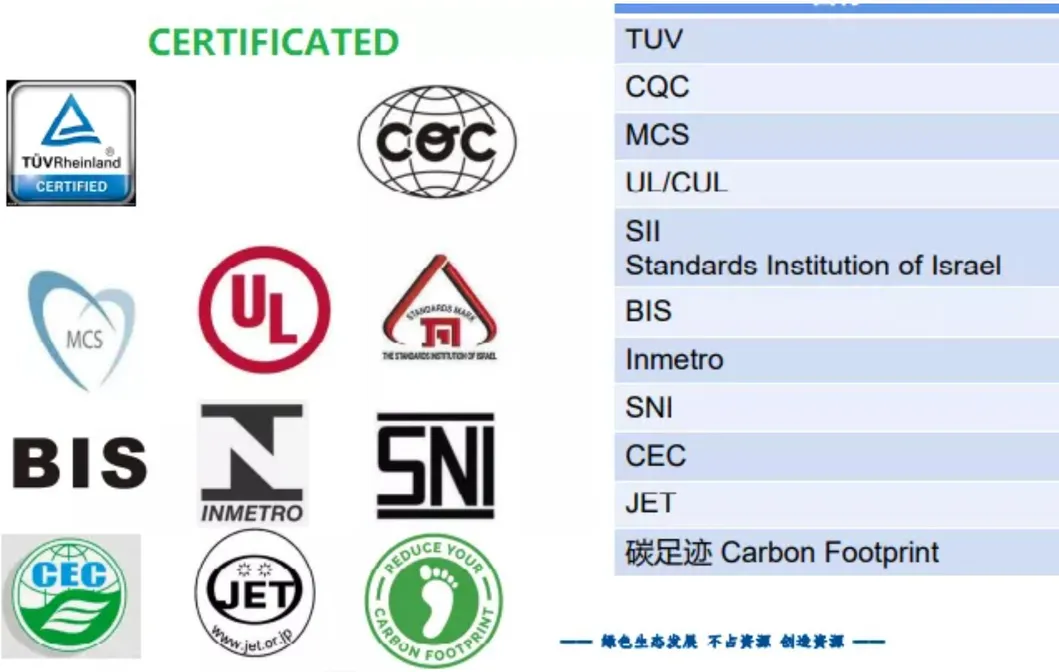
Approved by ISO9001, CE, TUV, and CCC. Over ten years of R&D experience in smart building energy.
138 BIPV patents. Features heat preservation, sound insulation, and clean energy generation.
6-hour response time, ensured delivery, and comprehensive technical support via video.
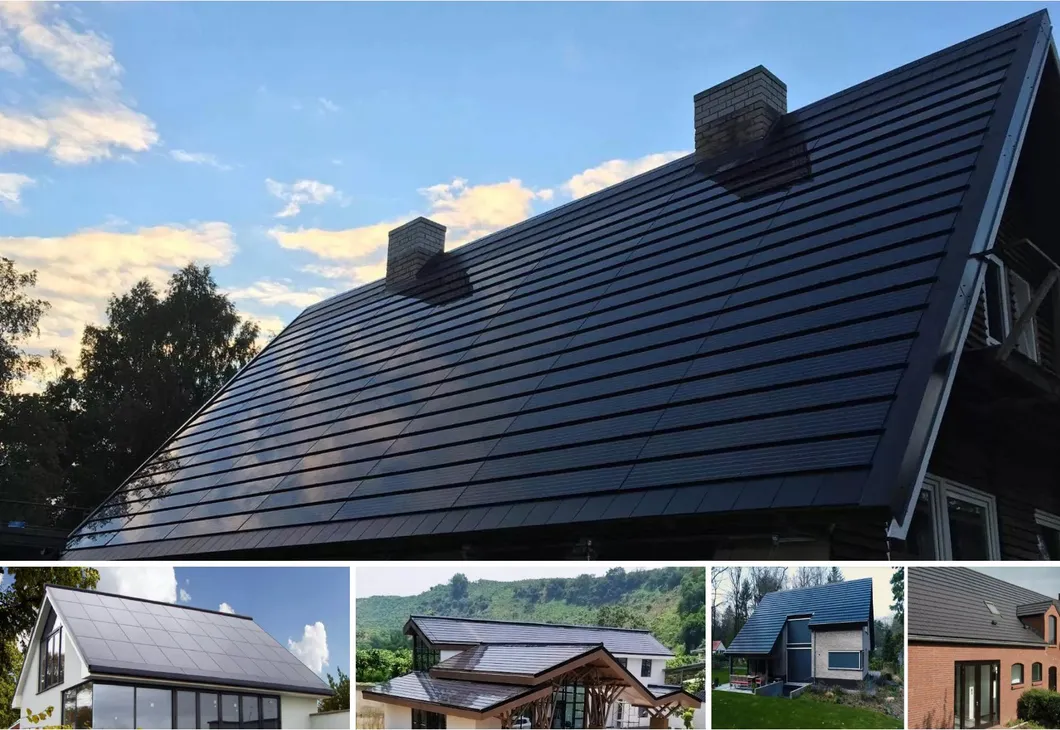
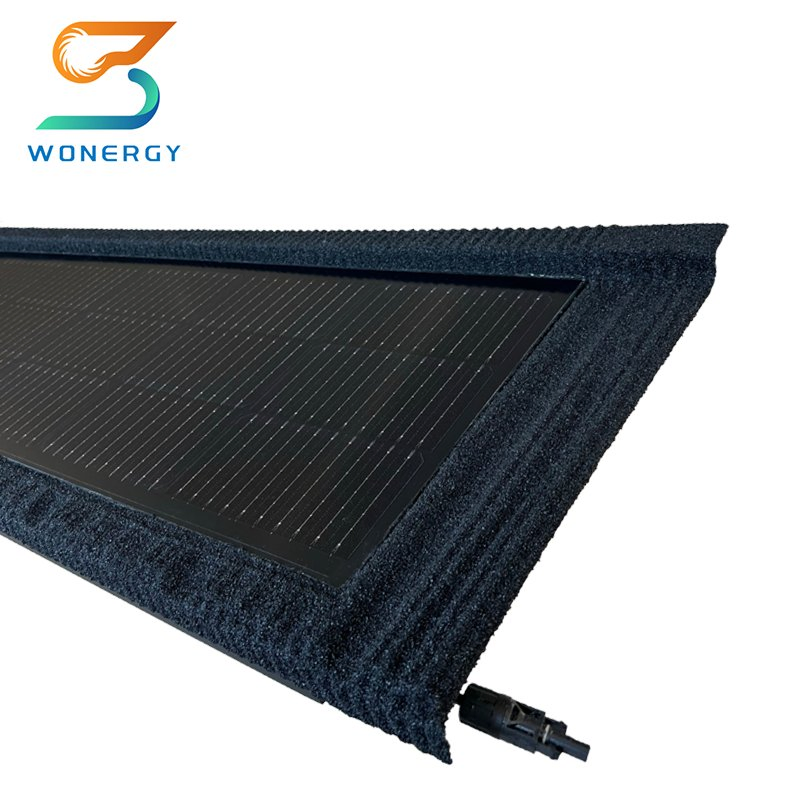
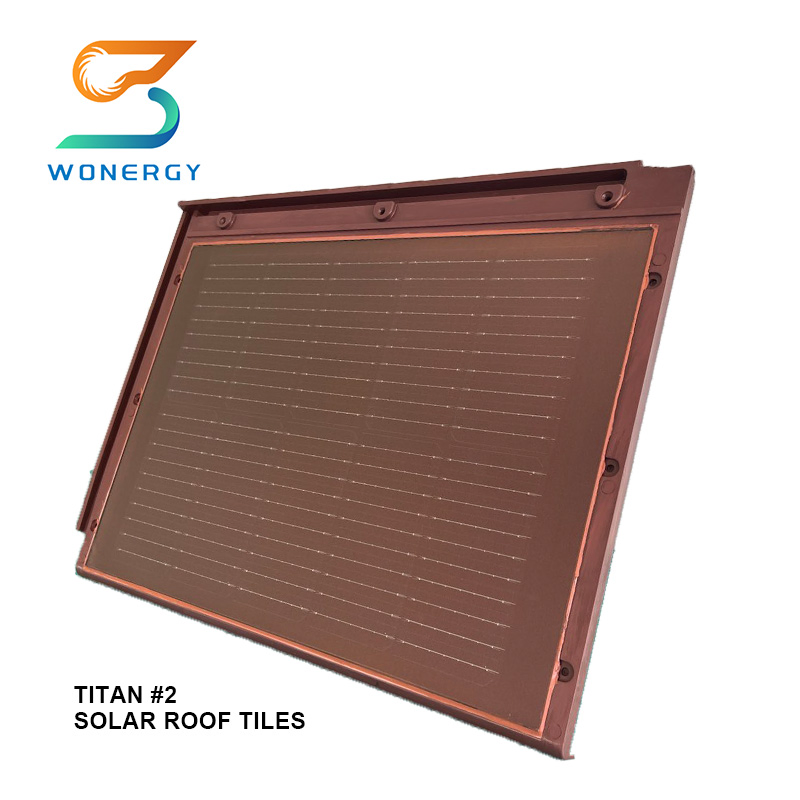
BIPV products include solar roofing panels, tiles, or shingles that replace traditional materials. They can also be integrated into facades, windows, and skylights.
Production depends on solar radiation (insolation), climate conditions, and shading. On average, efficiency is high enough to significantly offset or cover household energy needs.
Yes, because they serve a dual purpose: they protect the building and generate electricity. This "discounts" the cost of the roof since you don't need to buy separate traditional roofing materials.
Solar tiles are highly durable and typically last 25-30 years, often outlasting traditional asphalt shingles which usually last about 15 years.
Yes, they are designed to withstand rain, high winds, and hail. They often carry high fire (Class A) and wind (ASTM D3161 Class F) ratings.
BIPV products like solar shingles are designed to be lightweight and easy to install for roofing professionals, often faster than multi-phase BAPV installations.