In 2026, many solar system owners face a common issue: "why is my solar system not feeding back to the grid?" Understanding this problem requires knowledge of both technology and regulations. It is essential to analyze your system’s performance and its connection to the grid.
Common reasons include technical failures or misconfigurations. For example, an inverter may malfunction, preventing energy from being exported. Furthermore, grid restrictions can limit solar energy feed-in. Local policies may have changed, affecting your ability to share energy.
It’s crucial to assess your solar system regularly. Ensure all components function correctly and stay informed on local grid policies. If you experience recurring problems, consider consulting professionals for a thorough inspection. Ignoring these issues may lead to missed energy savings and financial losses, compelling many to reflect on their solar investments.
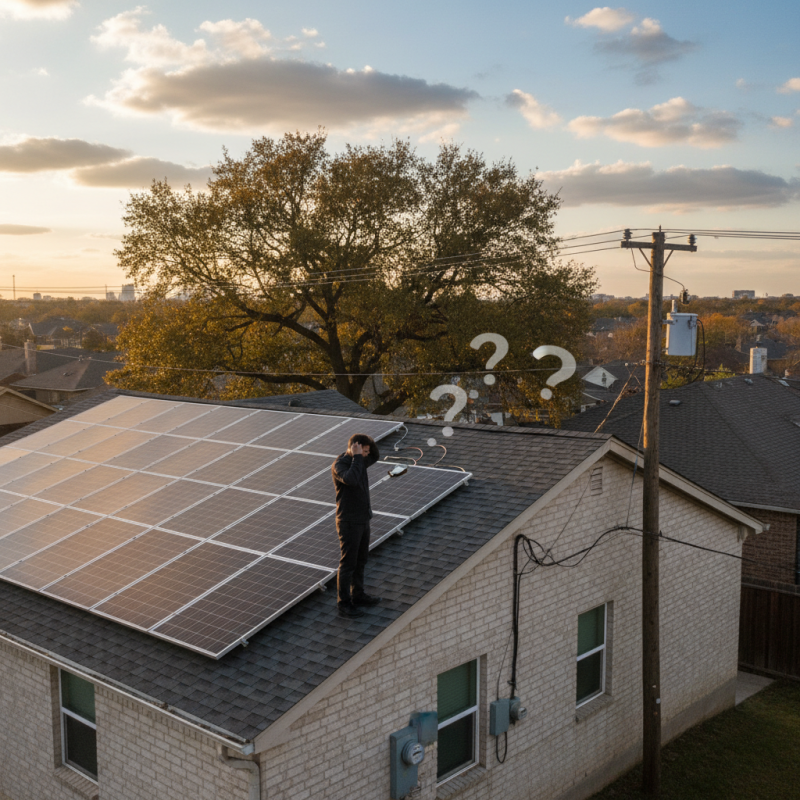
Understanding solar feed-in tariffs and grid connectivity is crucial for solar system owners. In 2026, many users experience issues with their systems not feeding back to the grid. This can stem from various factors, including outdated technology or regulatory changes. For example, if your inverter isn't compatible with current grid standards, energy export may be impossible.
Solar feed-in tariffs provide compensation for energy sent back to the grid. These tariffs can change quickly, often depending on governmental policies. If you haven't kept up with these updates, your system may miss out on potential earnings. Additionally, many users overlook maintenance. Neglected systems can underperform, leading to frustrations during sunny days.
Reflecting on these issues is essential. Assessing the condition of your solar panels and inverter can lead to improved performance. Engaging with a professional can help identify barriers to effective grid connectivity. Regular education about solar technology and tariffs keeps you informed. Empowered users can make better decisions and maximize their solar investment.
If your solar system is not feeding power back to the grid in 2026, several common issues may be at play. One significant reason could be inverter malfunction. Inverters are crucial as they convert the generated direct current into alternating current for the grid. If there’s a technical glitch or a software issue, your system may halt its output.
Another reason could be low solar production due to weather conditions. Overcast days can significantly reduce energy generation. Additionally, dirt or debris on solar panels can block sunlight. Regular cleaning of panels can mitigate this problem, yet many homeowners overlook this necessity.
A lack of communication between your system and the grid might also be a factor. Poor network connections or outdated technology can disrupt energy flow. Sometimes, even a trivial disconnection or a need for system updates can prevent feedback.
Keep an eye on these details. It’s essential to monitor and maintain your solar system regularly. Ignoring these aspects can lead to reduced efficiency and frustration.
In 2026, many solar system owners face challenges with grid feedback. Configuration plays a crucial role in this issue. Studies show that systems with mismatched components, like inverters and panels, often underperform. An analysis by the Solar Energy Industries Association reported that 30% of residential systems were not optimized for energy output.
Grid compatibility is another critical factor. For instance, if your local utility has strict interconnection rules, it impacts feedback capabilities. A September 2022 report indicated that utilities in states like California imposed limitations to prevent overloads. Such regulations can hinder the benefits of solar investment.
Inadequate installation practices can also lead to issues. Poorly oriented panels or incorrect tilt angles reduce efficiency. Several homeowners realize their systems are not maximizing sunlight capture. More than 20% of solar installations had to be retrofitted in the last two years due to configurations that didn't meet evolving standards. Upgrading equipment might be necessary to realize the full potential of solar energy.
In 2026, many solar system owners are finding their installations not feeding back to the grid. This issue can often be traced back to regulatory changes impacting solar feed-back mechanisms. Several regions have adopted new policies designed to address grid overload concerns. These regulations can limit the volume of energy that homeowners can send back to the grid.
Additionally, complex requirements may arise for compliance. Homeowners may face new interconnection standards or need to use specific equipment. Failure to meet these standards could mean significant delays or even rejections of feed-back requests. This can be disheartening for many, as they rely on these systems to offset costs.
Feedback mechanisms are intended to benefit both the grid and the consumer. However, with evolving regulations, clarity can become blurred. Homeowners should constantly assess their solar systems against changing regulations. Better communication between stakeholders will be essential to ensure ongoing support for solar energy. This underscores the need for informed decision-making in an evolving energy landscape.
If your solar system is not feeding back to the grid in 2026, several issues could be at play. One common problem is connection failure. Check the cables and connections from your solar panels to the inverter. Loose or corroded connections can interrupt the flow of electricity. A professional should inspect these elements regularly to ensure they maintain optimal performance.
Monitoring systems can also be useful. These systems provide real-time data on energy production. A sudden drop in production might indicate an underlying issue. Perhaps your solar panels are shaded by trees or dirt. Another possibility is that your inverter has malfunctioned. Inverters need maintenance and can fail over time.
Another aspect to consider is the local grid requirements. Utility companies often have specific regulations concerning solar feed-in. Ensure your system meets all local guidelines. Sometimes, updates or changes in policies can affect system performance. Regular communication with your utility provider can alleviate misunderstandings. Each detail is crucial to maintaining a functioning system. Reflect on these points to troubleshoot effectively.
: Common issues include inverter malfunction, low solar production, and lack of communication with the grid.
Overcast days reduce energy generation. Dirt on panels blocks sunlight, decreasing efficiency.
Neglected systems underperform. Cleaning panels and checking connections can enhance output.
Inverters convert direct current into alternating current. Malfunctions can stop energy output.
New policies may limit energy feedback volumes or require compliance with new standards.
Regularly educate themselves on current tariffs and system maintenance requirements.
Regular checks help catch issues early, preventing frustrations with system inefficiencies.
Yes, outdated inverters or systems may not comply with current grid standards, blocking feedback.
Ignoring updates can lead to missed earnings and potential compliance issues.
Experts can identify barriers and improve system performance, guiding better investment decisions.
In the exploration of the question "why is my solar system not feeding back to the grid," several factors come into play. Understanding solar feed-in tariffs and grid connectivity is crucial, as they dictate how excess power generated by solar systems can be sent back to the grid. Common reasons for a solar system's inability to feed power back include technical malfunctions, inverter issues, or improper installation.
The configuration of the solar system significantly impacts its efficiency in 2026, especially with evolving technologies and regulatory changes affecting feedback mechanisms. It's important for solar system owners to stay informed about these changes and identify potential troubleshooting steps. Solutions may range from simple adjustments to system settings to professional assessments for more complex issues, ensuring optimal performance and contribution to the grid.
Ran Solar