Why is My Solar System Not Feeding Back to the Grid?

Time:2026-08-25 Author:Isabella
0%

As solar adoption rises, many homeowners face a common dilemma: "why is my solar system not feeding back to the grid?"According to the Solar Energy Industries Association (SEIA), over 3 million homes in the U.S. have solar panels. Despite advances in technology, some systems fail to export energy as expected.

Multiple factors can contribute to this issue. For instance, inverter problems are a leading cause. A study from the Lawrence Berkeley National Laboratory found that nearly 20% of solar installations have inverter-related failures. Additionally, shading and orientation issues can drastically reduce system output, hindering energy flow.

Understanding these challenges is crucial. Many homeowners may overlook simple maintenance or fail to grasp grid connection requirements. Addressing these concerns is vital for maximizing the benefits of solar energy. Reflecting on your setup can reveal solutions to enhance your solar performance.
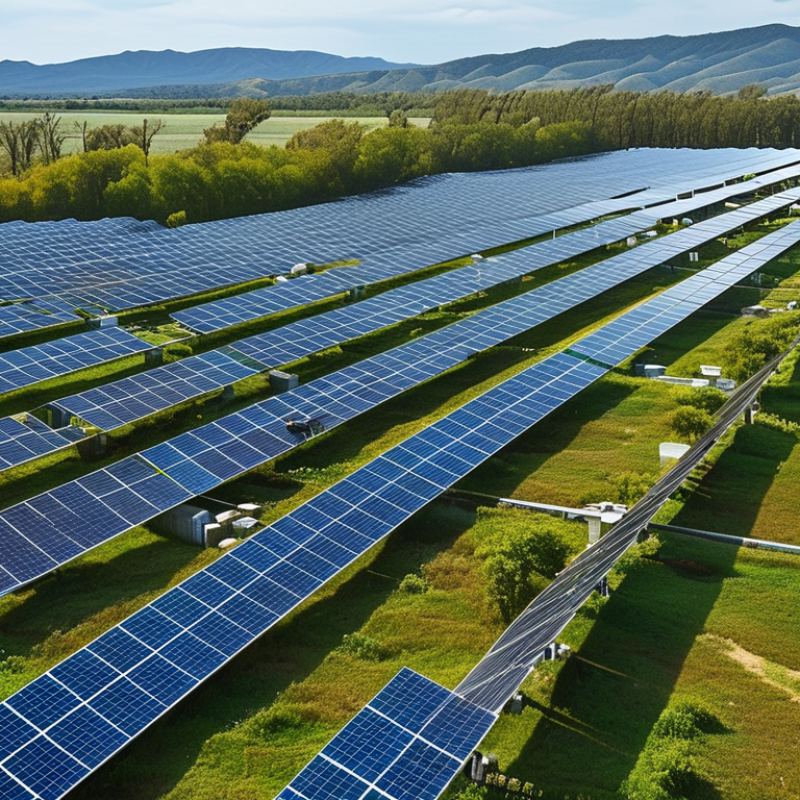
Why is My Solar System Not Feeding Back to the Grid?

Understanding Solar Feed-in Tariffs and Grid Connections

Understanding solar feed-in tariffs and grid connections can be complex. Solar feed-in tariffs (FiTs) incentivize solar energy production by allowing homeowners to sell excess energy back to the grid. However, many systems fall short of connecting effectively to the grid, leading to frustration among users.

Data from the Solar Energy Industries Association shows that in 2022, nearly 30% of solar installations faced grid connection issues. Delays in approval and lack of infrastructure contribute to this problem. Homeowners should ensure that their systems comply with local regulations and consult with professionals familiar with the grid's requirements. This knowledge can save you from unexpected setbacks.

Monitoring your energy output is crucial. Check your inverter and meter regularly. Many systems feature monitoring apps. These tools can help identify if your system is fully operational. If not, troubleshooting early can lead to timely solutions. Adjusting settings or addressing grid compatibility can make a significant difference in performance.

Common Reasons for Solar Systems Not Feeding Energy to the Grid

There are several reasons why your solar system may not be feeding energy back to the grid. A common issue is the inverter. If the inverter is malfunctioning, it will not convert the solar energy into electricity that can be fed into the grid. Regular maintenance is essential. Checking the inverter’s display can provide insights into its performance. If it shows an error, it may need repairs or replacement.

Another factor to consider is your local utility’s requirements. Some utilities might restrict the amount of energy you can send back. This can depend on capacity limits and regulations. Also, grid outages or malfunctions can temporarily halt the feed-in process.

Weather conditions also play a role. Overcast skies or heavy rain can reduce energy production. However, continuous low energy output might indicate a deeper issue. Ensure that your panels are clean and unobstructed. Debris can significantly decrease their efficiency. Examine your system regularly to verify its health and functionality. Recognizing these issues can lead to better performance and energy savings.

Technical Issues with Inverters and Their Impact on Grid Feedback

When solar systems fail to feed back energy to the grid, inverter issues are often at fault. Inverters convert direct current (DC) from solar panels into alternating current (AC) suitable for the grid. If there are technical malfunctions, energy production declines significantly. Common problems include improper installation or outdated software. Such issues can lead to poor energy efficiency and reduced grid interaction.

Regular maintenance is crucial. Users often overlook the significance of checking inverter performance. An error code on your inverter may indicate a fault you can't see. Furthermore, environmental factors like shade or dirt can affect inverter functionality. These external conditions can diminish energy output, making it seem like the entire system is underperforming.

While some homeowners rely on self-monitoring tools, they may miss critical indicators. It's essential to consult a professional for periodic checks. The reliance on technology alone can lead to misunderstandings about system performance. Ensuring all components work harmoniously is key to a productive solar energy system. Ultimately, addressing inverter issues head-on can optimize your solar experience.

Inverter Efficiency Impact on Grid Feedback

Regulatory Factors Affecting Solar Energy Export to the Grid

Understanding the regulatory factors that influence solar energy export to the grid is crucial for solar system owners. One significant aspect is the policy framework in place. Different regions have varying incentives and regulations for solar energy. These can impact how much energy you can send back to the grid. In some areas, there might be caps on how much solar energy can be fed back. This can lead to frustrations for homeowners eager to contribute to renewable energy.

Moreover, interconnection standards often dictate the technical requirements for connecting your solar system to the grid. If your system does not meet these standards, you cannot export energy. This situation can cause confusion and disappointment. Inadequate understanding of these regulations can result in overspending on systems that lack necessary approvals. Regularly reviewing local regulations can help you remain compliant.

Another factor involves utility company policies. Some utilities may impose fees for grid access or limit payments for exported energy. This dynamic can influence whether your solar system feels worthwhile. Engaging with your utility and understanding their policies may reveal options for optimizing your system's performance. A proactive approach can equip you with knowledge to maximize your solar investment.

Seasonal and Environmental Factors Influencing Solar Energy Production

Seasonal and environmental factors significantly impact solar energy production. For instance, the efficiency of photovoltaic (PV) systems can vary dramatically due to changes in temperature and sunlight. Research shows that solar panels can lose up to 20% of their efficiency when temperatures exceed 25°C. This loss is crucial during summer months when solar generation is expected to peak.

Cloud cover plays a pivotal role in energy output as well. During cloudy days, solar production can drop by 50% or more. The National Renewable Energy Laboratory (NREL) indicates that geographical location affects sunlight availability. Areas with seasonal variations in sunlight may face challenges in maintaining consistent energy feed to the grid.

Dust and debris accumulation on panels can further hinder energy capture. Regular cleaning can enhance efficiency by 10% or more. Additionally, the angle of installation can affect performance. Panels facing away from the sun may receive less energy. These factors highlight the need for careful monitoring and maintenance to ensure optimal solar system performance. Adjustments based on these elements can improve energy output and contribute to grid feeding.

FAQS

: What factors influence solar energy export to the grid?

: Regulatory factors like policies, interconnection standards, and utility company rules significantly affect solar energy export.

Are there limits on how much energy I can feed back to the grid?

Yes, some regions impose caps on energy exports, which can be frustrating for solar system owners.

What happens if my solar system doesn’t meet interconnection standards?

If your system fails to meet these standards, you cannot export energy, leading to potential disappointment.

How can I ensure compliance with local regulations?

Regularly reviewing and understanding local regulations can help you remain compliant and avoid overspending.

Do utility companies charge fees for connecting to the grid?

Some utility companies may charge fees or impose limits on payments for energy exported, affecting system viability.

What seasonal factors impact solar energy production?

Temperature, sunlight availability, and seasonal variations can significantly affect solar energy efficiency and output.

How does temperature affect solar panel efficiency?

Research shows solar panels lose up to 20% efficiency when temperatures exceed 25°C, impacting summer production.

Why is regular cleaning of solar panels important?

Dust and debris can hinder energy capture; regular cleaning can enhance efficiency by 10% or more.

How does installation angle affect solar panel performance?

Panels facing away from the sun receive less energy, which highlights the need for proper installation.

What role does cloud cover play in solar energy production?

Cloudy days can reduce solar output by 50% or more, which can cause inconsistent energy feed to the grid.

Conclusion

Understanding the reasons behind "why is my solar system not feeding back to the grid" is essential for solar energy users. There are several common factors that can hinder a solar system from feeding energy back to the grid, including technical issues with inverters, regulatory restrictions, and seasonal or environmental influences that affect solar energy production.

Inverters are crucial for converting solar energy into a usable format for grid connection; if they are malfunctioning, this can significantly impact feedback capabilities. Additionally, local regulations might impose limitations on energy export, affecting how much solar energy can be sent back to the grid. Seasonal fluctuations, such as reduced sunlight during winter months or cloudy weather, can also contribute to decreased energy production, further complicating the issue. Understanding these factors allows solar users to identify potential solutions and optimize their systems for better performance.

Isabella

Isabella

Isabella is a dedicated marketing professional with a sharp focus on driving brand growth and engagement through strategic content creation. With an extensive background in digital marketing, she combines her passion for storytelling with her keen understanding of industry trends to deliver......