Top Ways to Use Solar Power During Outages Without Batteries

Time:2026-11-13 Author:Aria
0%

A blackout does not always mean your rooftop panels are useless. But many grid-tied systems shut down automatically when utility power fails. That safeguard protects utility crews and your equipment. Without batteries, usable solar power depends on compatible equipment, direct sunlight, and careful load choices. A small inverter may run a router or charge a phone, while a refrigerator’s startup surge can overwhelm it.

Solar educator and author Sean White teaches practical photovoltaic system design. A useful takeaway, paraphrased rather than presented as a verbatim quote, is this: “Match the equipment and loads to the sunlight actually available.” That principle shapes how to use solar energy during a power outage without batteries. It also keeps expectations realistic. Cloud cover can reduce output quickly, and panels alone do not provide a safe, ready-to-use outlet.

This guide explores sunlight-only backup systems, portable panels, and direct-use options. It explains why some hybrid inverters can power selected circuits during daylight, while standard grid-tied inverters cannot. You will also find practical checks: confirm your inverter’s outage mode, review its rated output, and connect only compatible devices. Never assume a panel or exposed wire is safe to handle. A sunny morning may support basic essentials; evening power is another matter. The limits deserve attention, too. A simple setup may help, but it can be frustrating when clouds arrive or loads exceed expectations. The goal is dependable preparation, not a promise of uninterrupted power.
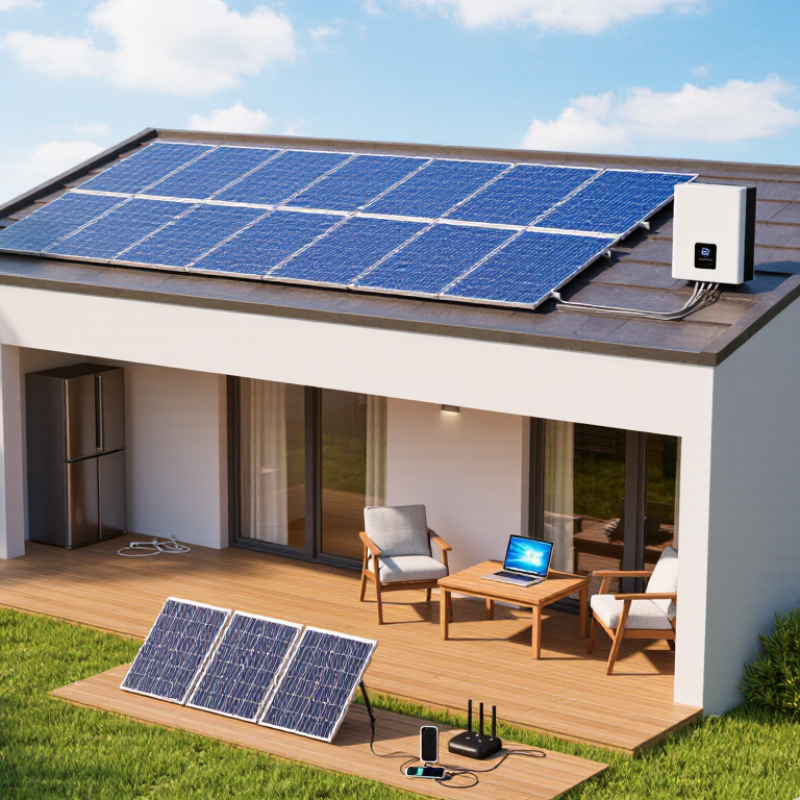
Top Ways to Use Solar Power During Outages Without Batteries

Check Whether Your Solar System Can Operate Safely During an Outage

Before an outage, check whether your solar inverter is designed to operate independently from the utility grid. Many grid-connected systems shut down when the grid fails, even in bright sunlight. This safety feature helps prevent electricity from flowing back onto power lines. Solar panels alone do not guarantee backup power.

Look for documented outage or islanding capability in your system’s manual, then ask a qualified electrician to confirm the required transfer equipment and safe operating procedure. Do not open electrical panels or improvise connections. If your system supports direct solar use without batteries, its output may still change with passing clouds. A refrigerator starting up can also draw more power than expected. Small details matter.

Plan which essential devices you will run, and check their power needs against the system’s limits. Keep loads modest, and expect interruptions when sunlight drops. Never connect household wiring in a way that could energize utility lines. That risk is easy to underestimate. Have a professional explain how your system separates from the grid and, if appropriate, demonstrate a safe test before an outage occurs.

Match Essential Appliances to Available Daytime Solar Output

During an outage, usable solar power depends on sunlight and equipment that can operate safely without the grid. Many standard grid-tied systems shut down when the grid fails. A qualified installer can confirm whether your setup supports daytime backup without batteries.

Start with the inverter’s continuous output, then compare it with each appliance’s running watts. A small fan, modem, or LED lights may fit a modest supply. Check startup surges too: refrigerators can briefly draw much more power when their compressors begin. Small loads first. Avoid connecting appliances through improvised wiring.

Run flexible tasks when sunlight is strongest. You might charge a phone late morning, then use a compatible solar-powered circuit for a few hours of refrigeration. Keep the refrigerator closed and monitor its temperature. Clouds change everything. Output can fall quickly, so leave a margin rather than planning around the panel’s advertised peak. I would not assume yesterday’s sunny performance will repeat; shade, heat, and changing weather can make a careful schedule imperfect. Use only equipment rated for the intended setup, and follow its operating instructions.

Power Compatible Devices Directly Through a Battery-Free Inverter

During an outage, some solar systems can run compatible devices without storing energy first. The key is an inverter specifically designed to accept solar-panel input and provide power while disconnected from the grid. A typical grid-tied inverter may shut down during an outage for worker safety, even when the panels are in bright sun.

Check the inverter’s manual for its operating voltage range, startup requirements, and battery-free mode. Then match the panels to those specifications. A small, steady load—such as a phone charger or LED lamp—may be easier to support than a refrigerator, which can draw a sharp surge when its compressor starts. Keep loads within the inverter’s continuous and surge ratings. No buffer means output can change quickly.

Clouds matter. A passing shadow can reduce available power, and some systems may stop or restart as sunlight shifts. Use only the inverter’s protected AC outlet, and connect devices according to its instructions; never improvise wiring into household circuits. Sensitive equipment may need stable, regulated output. Test the setup outdoors in steady daylight before relying on it, and be honest about its limits: after sunset, direct solar power stops. I would not plan around a device that cannot tolerate interruptions.

Top Ways to Use Solar Power During Outages Without Batteries - Power Compatible Devices Directly Through a Battery-Free Inverter
Device or Use Typical Operating Power Direct-Solar Suitability Practical Guidance
LED lights About 5–15 W per bulb High Use efficient LED lamps during daylight or strong sun. Several lamps can often run together if their combined demand stays within the inverter’s available output.
Wi-Fi router or modem About 5–20 W High in steady sunlight Check the power rating on the device or adapter. Internet service may still be unavailable if the provider’s network equipment has also lost power.
Phone charging About 5–30 W per charger High Charge phones when solar output is strong. A compatible DC charging port can avoid the conversion losses of an AC adapter.
Laptop About 30–100 W while charging or in use High to moderate Use the original or a correctly rated power adapter. Reduce screen brightness and avoid intensive workloads to lower power demand.
Small circulation fan About 20–75 W Moderate to high A fan is generally more practical than an air conditioner for direct solar use. Motor starting demand can briefly exceed its running wattage.
Television About 50–150 W, depending on size and type Moderate to high Check the label for actual consumption. Keep other loads modest so changing sunlight is less likely to interrupt viewing.
Small refrigerator Often about 100–300 W while the compressor runs Moderate; requires careful matching Compressor startup can require several times the running power. Confirm the inverter’s surge rating and allow for variable solar output; avoid opening the door unnecessarily.
Small DC water pump Commonly about 50–300 W, depending on pump and load Moderate Pump power varies substantially with flow, pressure, and head height. Check both the pump’s operating rating and its startup requirements before connecting it.

Important: These are typical approximate ranges; actual power use varies by model and operating conditions. A battery-free inverter must be specifically designed to supply loads directly from solar panels. Output can fluctuate with clouds, shade, and changing sunlight, and ordinary grid-tied inverters generally shut down during a grid outage for safety.

Before connecting a load: Check the inverter’s permitted PV input range, continuous output, surge capacity, and compatibility with the device. Do not connect an inverter to a household wall outlet or energize home wiring without a properly designed, code-compliant transfer arrangement installed by a qualified professional.

Use Portable Solar Panels for Small, Critical Electronics

During an outage, a portable solar panel can keep a few small electronics working without a battery. Choose a panel with a regulated USB output, then connect one device at a time. A phone, compact radio, or USB light is more realistic than a laptop. Keep the panel angled toward direct sun, with its surface clear of leaves and dust. Clouds matter. Output can drop quickly, and some phones may stop charging when voltage fluctuates. I would not treat a sunny forecast as a guarantee.

The National Renewable Energy Laboratory’s PVWatts model applies a 14% default system-loss allowance when estimating solar production. That figure models larger systems, not every portable panel, but it’s a useful reminder: rated watts are not the same as power delivered to your device. Check the panel’s actual USB output and your device’s input requirements before an outage. Test the setup outdoors, and watch whether charging pauses when a cloud crosses the sun. Place electronics in shade while the panel stays in sunlight; heat can be hard on devices. For essential medical equipment, follow its manufacturer’s power guidance rather than relying on a small panel alone. A direct-sun test is helpful, but real outage weather may be less cooperative.

Use Portable Solar Panels for Small, Critical Electronics

Approximate power use varies by device and operating conditions. A portable panel can help keep low-power essentials running during an outage; available output depends on sunlight, panel angle, and charging losses. Check your device’s specifications before connecting it.

Manage Changing Sunlight, Power Surges, and Electrical Hazards

With no battery, sunlight becomes your schedule. A cloud can dim a panel’s output in seconds, so choose devices that tolerate interruptions, such as a small fan or task light. Phones and laptops may stop charging when power fluctuates. Use a compatible solar regulator or inverter designed for direct solar input, and check its limits against both the panel and device. Keep the panel clear of passing shadows. Reposition it as the sun moves, but expect output to vary. That part can be frustrating.

Power surges and wiring mistakes deserve equal attention. Use intact, outdoor-rated cables, and keep connectors dry and off wet ground. Stop using any cable with cracked insulation, loose fittings, or unusual heat. Follow the equipment’s shutdown steps before disconnecting or repositioning panels. Never plug a solar inverter into a household outlet to energize home wiring; electricity can flow back into circuits and endanger workers. Avoid setup during thunderstorms, and do not handle connections with wet hands. A simple setup is not automatically a safe one. Check the instructions, even when the connections seem obvious.

FAQS

Can solar panels power my home during a grid outage?

Not necessarily. Many grid-connected systems shut down when utility power fails. This helps prevent electricity from flowing onto power lines.

How can I check whether my system supports outage power?

Check the manual for documented backup or islanding capability. Ask a qualified electrician to confirm the equipment and safe operating steps.

Can I connect appliances directly to household wiring?

No. Do not improvise connections or open electrical panels. Have a professional explain how your system separates from the grid.

Which appliances might work with limited daytime solar power?

A small fan, modem, or LED lights may suit a modest supply. Compare each device’s running watts with the inverter’s continuous output.

Why should I check an appliance’s startup power?

A refrigerator compressor may briefly draw much more power when starting. Leave a margin; advertised panel output is not always available.

When should I run flexible tasks?

Try charging a phone or running compatible equipment during strong midday sunlight. Keep refrigerator doors closed and monitor the temperature.

Can a portable solar panel charge small electronics?

A panel with regulated USB output may charge a phone, compact radio, or USB light. Test it outdoors before an outage.

Will portable panel output stay steady in sunlight?

No. Clouds, shade, heat, and changing conditions can reduce output. I would not trust yesterday’s sunny results as a guarantee.

Can a small portable panel reliably power medical equipment?

Do not rely on one without checking the equipment’s power guidance. Follow the manufacturer’s instructions and plan a dependable backup source.

Conclusion

Using solar power during an outage without batteries depends first on whether your system is designed to operate safely when the grid is down. Many grid-connected systems shut off automatically during outages, so check your system’s operating instructions and confirm which equipment can provide power independently. Once you know what is available, prioritize essential appliances that can run during daylight and match their energy needs to the solar output at that time.

This guide explains how to use solar energy during a power outage without batteries by connecting compatible devices directly to a suitable battery-free inverter or using portable solar panels for small, critical electronics. It also covers practical ways to adapt as sunlight changes, avoid overloading equipment when appliances start up, and reduce electrical hazards. Careful planning helps make the most of available solar power while keeping both people and equipment safe.

Aria

Aria

Aria is a dedicated marketing professional with a deep passion for innovative strategies and a keen understanding of our company's product offerings. With a wealth of experience in the industry, Aria excels at crafting engaging content that highlights the unique features and benefits of our......