The increasing shift towards renewable energy sources has made solar energy a valuable asset for businesses. For warehouse owners, understanding how to maximize solar ROI for warehouse roofs is essential. Investing in solar panels can lead to significant cost savings and increased property value. However, many overlook key factors that can impact their return on investment.
Strategically assessing the roof's condition is crucial. The structural integrity must be sound to avoid costly repairs later. Additionally, the local climate plays a vital role in energy generation. Installation angles and shading can affect output, too. Many businesses install panels but don’t evaluate these variables adequately. This oversight can diminish potential returns.
Understanding available incentives also matters. Tax credits and grants can improve ROI significantly. However, navigating these options can be complex. Hiring a knowledgeable consultant may help identify which incentives apply. With careful planning and informed decisions, maximizing solar ROI becomes an achievable goal.
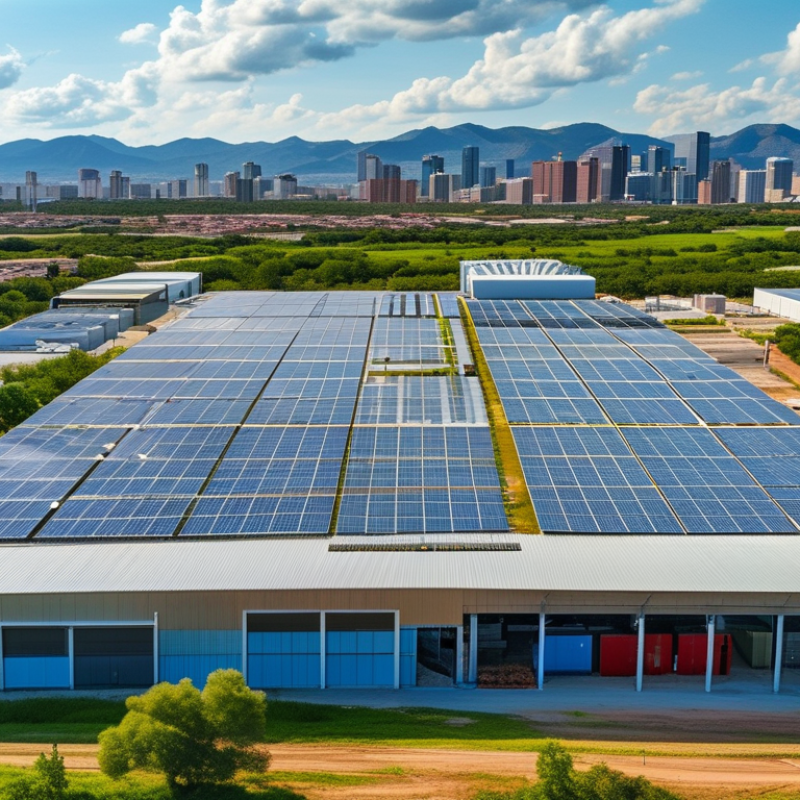
When considering solar installations, not all warehouse roofs are created equal. A recent report from the National Renewable Energy Laboratory highlights that flat roofs, with an area of at least 10,000 square feet, are often ideal candidates for solar systems. These roofs typically provide easier access and greater space for panel arrangement. Moreover, a structural assessment is essential. Roofs must support the additional weight of solar panels without compromising their integrity.
Here are some tips for identifying suitable warehouse roofs:
- Look for flat or low-slope roofs to maximize sunlight absorption.
- Ensure compliance with local building codes.
- Conduct thorough structural evaluations before installation.
In addition, consider the roof's age. Older roofs may require repairs or replacements prior to solar installation. If a roof has less than 10 years of lifespan left, it might not be a good investment. Another factor to think about is the surrounding environment. Trees or tall buildings can create shade, significantly decreasing solar efficiency. Evaluating these criteria helps in making informed decisions on solar investments.
This chart illustrates the potential ROI from solar installations on different types of warehouse roofs. The data reflects estimated yearly savings based on sunlight exposure and roof suitability.
When considering solar panel options for warehouse roofs, efficiency and durability are key. Many facilities now look to advanced technologies that offer high energy output. For warehouses, it's essential to select solar panels that can withstand harsh weather conditions. Manufacturers typically provide performance warranties, which can offer some assurance.
There are various types of solar panels, such as monocrystalline and polycrystalline. Monocrystalline panels are known for their efficiency. However, they can be more expensive. Polycrystalline panels might present a budget-friendly option, but their efficiency is generally lower. Evaluating the energy needs of the warehouse is crucial. A well-planned setup can significantly enhance the return on investment.
Thinking about installation is also important. Roof structure and orientation play a big role in the overall performance. Shadows from nearby structures can obstruct sunlight. Engaging with a solar expert can be beneficial. They can offer insights tailored to your specific situation. However, ensure you ask about potential downsides as well. Installing solar is not a one-size-fits-all solution. It requires careful planning and consideration.
| Technology | Efficiency (%) | Cost per Watt ($) | Lifespan (Years) | Warranty (Years) |
|---|---|---|---|---|
| Monocrystalline | 15-22% | $0.80 - $1.00 | 25-30 | 10-25 |
| Polycrystalline | 13-16% | $0.70 - $0.90 | 25 | 10-25 |
| Thin-Film | 10-13% | $0.60 - $0.80 | 20-25 | 10-15 |
| Bifacial | 15-22% | $0.90 - $1.10 | 25-30 | 10-25 |
Calculating the expected ROI for solar projects on warehouse roofs involves careful analysis. The typical ROI for commercial solar installations can range from 15% to 30%. Factors influencing this return include installation costs, energy savings, and local incentives. For instance, federal tax credits and state programs can dramatically reduce expenses. Many businesses overlook these incentives. Research shows that up to 70% of companies do not fully leverage available financial benefits.
Tips: Conduct a thorough cost analysis before investing. Consider variables such as panel efficiency and maintenance costs. High-efficiency panels might have higher upfront costs, but they offer significant long-term savings. An energy audit can also identify additional savings opportunities.
The financial landscape for solar energy is evolving rapidly. A report by the Solar Energy Industries Association notes that the cost of solar systems has dropped by over 80% in the past decade. However, businesses must calculate ongoing expenses, such as insurance and potential repairs. Some installations may require unexpected additional funding due to local regulations. Therefore, careful planning is essential. Regularly reviewing the project's performance against initial projections can identify areas for improvement.
Optimizing solar system design is crucial for maximizing energy production on warehouse roofs. A well-designed system can significantly increase return on investment (ROI). Start by evaluating the roof's orientation. South-facing roofs naturally receive more sunlight. Adjust the tilt angle to enhance solar capture. This simple change can improve efficiency.
Consider the materials used as well. Use high-quality solar panels that are suited for your region’s climate. Not all panels perform equally under varying temperatures. The difference in efficiency may impact your long-term energy yield. Engage with experienced professionals who understand local conditions. Their expertise can guide you in making informed decisions.
Implement energy storage solutions to complement your solar system. Battery storage allows excess energy collection during peak production hours. This can be invaluable during cloudy days or after sunset. Another tip is to regularly maintain the system. Clean panels and check wiring to avoid inefficiencies. Neglecting maintenance can quickly diminish your output, reducing ROI over time.
Implementing effective maintenance strategies is crucial for maximizing the energy efficiency of solar systems on warehouse roofs. Regular inspections can identify issues before they escalate. According to a report by the National Renewable Energy Laboratory (NREL), poorly maintained solar panels can lose up to 25% of their efficiency. This highlights the importance of routine checks and cleaning.
Moreover, the performance of solar systems is significantly influenced by environmental factors. Dust, debris, and even bird droppings can block sunlight. A study from the International Journal of Energy Research revealed that dirty panels may produce 15% to 30% less energy. Scheduling regular cleanings ensures optimum performance and extends the lifespan of the solar installation.
It’s also essential to monitor the system’s output consistently. A drop in energy production could indicate maintenance needs. Employing a monitoring system can track performance in real time. While these strategies require investment, the potential return on investment is substantial. Investing in maintenance can lead to a more sustainable and financially viable solar solution for warehouses in the long run. The lack of proactive maintenance can lead to unforeseen costs and diminished efficiency, warranting continuous evaluation of strategies.
: Flat or low-slope roofs are ideal. They maximize sunlight absorption and provide ample space.
A minimum of 10,000 square feet is often recommended for effective installations.
A structural assessment is necessary. Roofs must support the extra weight of the panels.
Older roofs may need repairs. If a roof has less than 10 years of lifespan, reconsider installation.
Shade from trees or buildings can drop solar performance. It's vital to evaluate the surroundings.
Regular inspections are key. Cleaning panels can prevent efficiency loss due to dirt and debris.
They can lose up to 25% efficiency if not maintained properly.
System output should be monitored. A drop may indicate maintenance needs or issues.
Yes, it can enhance performance and extend the lifespan of the solar system, yielding financial benefits.
It can lead to unforeseen costs and reduced efficiency, emphasizing the need for ongoing evaluation.
Maximizing solar ROI for warehouse roofs involves a strategic approach that begins with identifying the most suitable roof structures for solar installation. This includes evaluating the orientation, angle, and surface condition of the roofs to ensure optimal energy capture. Next, warehouse owners must evaluate various solar panel options and technologies to select those that best meet their energy needs and financial goals.
Calculating the expected ROI is crucial, as it allows for an understanding of potential financial incentives and savings from solar projects. Additionally, optimizing the solar system design for maximum energy production ensures that the investment yields the highest returns. Finally, implementing regular maintenance strategies is essential for sustaining long-term solar efficiency and ensuring that the system continues to operate at peak performance, thus reinforcing the original investment and maximizing returns over time. By following these guidelines on how to maximize solar ROI for warehouse roofs, businesses can realize significant energy savings and contribute to a more sustainable future.

Ran Solar