After a winter storm, solar panels may appear bright, clean, and completely unproductive. The key question is: why does snow cover affect solar energy production? Snow blocks sunlight from reaching photovoltaic cells, reducing the radiation converted into electricity. Even a thin, uneven layer can lower output across part of a panel. In many systems, the weakest section influences the performance of connected cells. Heavy, wet snow can also add temporary weight and increase mechanical stress. However, the effect varies with snow depth, temperature, panel angle, wind, and system design.
The picture is not perfectly tidy. Field monitoring by solar engineers shows that steeply tilted panels often shed snow sooner than flat arrays. Dark panel surfaces may warm under sunlight, creating narrow melt channels. Reflected light from clean snow can sometimes improve production after the surface clears. That benefit should not be confused with energy during full coverage. A practical assessment needs local weather records, panel orientation, inverter data, and measured snowfall. It should not rely on a single winter day. Safe maintenance matters too; scraping icy surfaces can damage protective coatings or create injury risks. Experience from rooftop inspections suggests that patience often protects equipment better than rushed removal. Still, every site differs, and simplified explanations can miss important details. This introduction examines the physical mechanisms, measurable losses, and design choices that shape winter solar performance. It also considers uncertainty, because real snow rarely falls evenly, and production estimates can be imperfect.
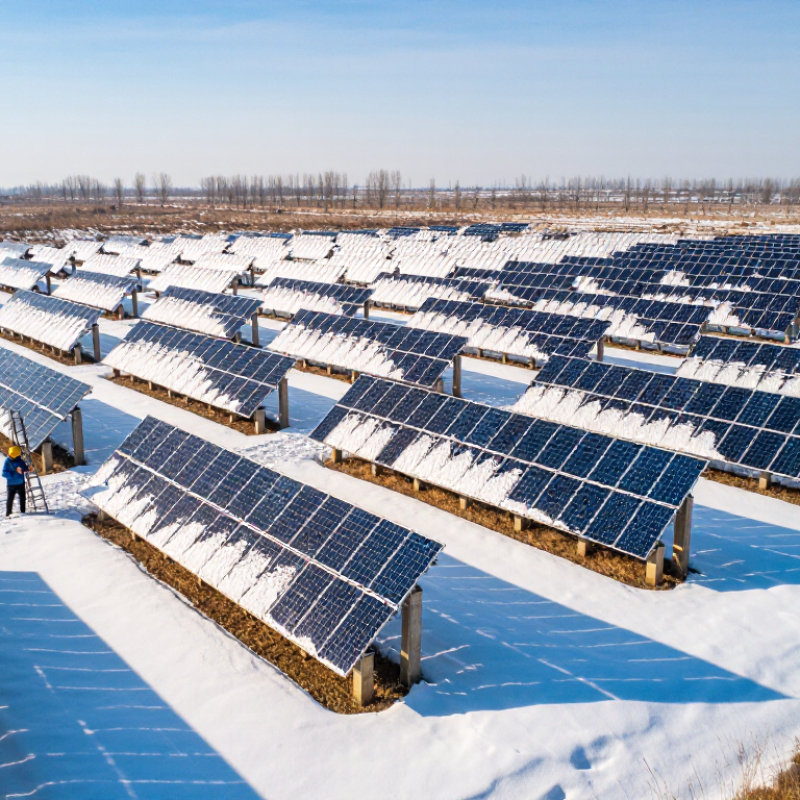
Snow cover changes how much sunlight reaches a solar panel. Fresh snow can form an opaque layer over the glass, blocking direct light from the cells below. Even a thin coating may reduce output sharply when it covers several rows. That loss is immediate. Small gaps can still produce electricity, but uneven snow creates partial shading across connected cells. In field observations, one snowy corner has sometimes affected the whole system more than expected.
Snow also changes the light itself. Bright snow reflects sunlight toward exposed panel surfaces, especially when panels are tilted. This reflection can slightly increase light on uncovered areas. However, it rarely compensates for the shade created by packed snow. Cloudy winter skies add more diffuse light, which passes through gaps but remains weaker than clear, direct sunlight. Panel angle, snow texture, temperature, and wind all matter. Loose powder may slide away, while wet snow can freeze into a stubborn layer. A dark edge may melt first, creating a narrow strip of working cells. Not always.
Performance estimates should use local weather records and measured system data. Simple assumptions about “snowy days” can be misleading. Snow depth does not reveal coverage, and coverage does not reveal cell-level shading. Safe maintenance also matters; scraping glass carelessly can cause damage. My earlier expectation that one sunny afternoon would clear every panel was too optimistic. Frozen layers often remained after the air warmed.
| Snow Condition | Typical Snow Depth or Coverage | Approximate Snow Albedo | Sunlight Reaching Active Cells | Estimated Daily PV Yield* | Primary Effect on Production |
|---|---|---|---|---|---|
| No snow on the module | 0 cm; 0% module coverage | 0.10–0.20 | 100% | 100% | Reference condition |
| Snow on the ground only | 5–20 cm ground snow; 0% module coverage | 0.70–0.90 for fresh snow | Approximately 100% on the front surface | 95–105% | Ground snow mainly changes reflected light; front-side output is usually affected indirectly |
| Thin, patchy snow on the module | 1–3 cm; 10–25% coverage | 0.70–0.90 | 75–90% | 70–85% | Partial shading and scattering reduce the irradiance received by cells |
| Partial module coverage | 3–8 cm; 25–50% coverage | 0.60–0.85 | 50–75% | 45–70% | Uneven shading can cause disproportionate losses in series-connected cell strings |
| Heavy module coverage | 8–15 cm; 50–75% coverage | 0.50–0.80 | 20–50% | 15–45% | Most direct sunlight is blocked, and electrical mismatch losses increase |
| Complete module coverage | 15 cm or more; 75–100% coverage | 0.40–0.90 | 0–20% | 0–15% | Snow acts as an opaque or highly scattering barrier over the active surface |
| Snow has slid or melted from the module | Ground snow remains; 0–5% module coverage | 0.60–0.90 on the ground | 95–100% | 90–105% | Production can recover quickly when the module surface becomes clear |
Fresh snow can form an opaque layer over the glass. Even a thin coating may block several rows of cells. Output can fall immediately.
Yes. Connected cells can share the effect of partial shading. One snowy corner may reduce output more than expected.
Snow can reflect sunlight toward exposed panel areas. This may slightly improve uncovered sections. Usually, reflection cannot replace blocked direct light.
Clouds provide weaker, diffuse light. Snow scatters and absorbs part of it. Gaps may still receive light, but production remains limited.
Wet snow absorbs more light and may freeze firmly. Heavy snow can block production almost completely. Powder may slide away more easily.
Yes. Steeper panels often shed loose snow after warming or wind. Low angles may retain snow longer. Natural shedding is not guaranteed.
No. Coverage and cell-level shading matter more than depth alone. A shallow patch across key rows may cause serious losses.
Use local weather records and measured system output. Include panel angle, storm frequency, temperature, and melting patterns. Regional averages can mislead.
No. Careless scraping can scratch the protective surface. Gentle, safe methods are better. My earlier belief that one sunny afternoon cleared everything was too optimistic. Frozen layers sometimes remained.
Why does snow cover affect solar energy production? Snow changes how much sunlight reaches solar panels by reflecting, blocking, and scattering incoming solar radiation. A thin, bright layer can reflect light away, while deeper or wetter snow may cover the panel surface and prevent sunlight from reaching the photovoltaic cells. Snow can also diffuse light, reducing the intensity and consistency of solar energy, especially during cloudy or stormy weather.
The effect of snow depends on panel angle, snow depth, temperature, wind, and local climate. Steeper panels may shed snow more easily, while warmer conditions can encourage faster melting and earlier recovery of energy output. Panel design, surface texture, and spacing can also influence how quickly snow slides or melts away. In cold, snowy climates, temporary production losses may be significant, but clear skies and reflective snow can sometimes improve output after the panels are uncovered. Understanding these factors helps explain why snow affects solar systems differently across regions.

 Ran Solar