The efficiency of solar panels remains a pivotal topic in the renewable energy sector. One technology gaining significant attention is half-cut cell solar panels. Reports indicate that these panels can achieve efficiency rates exceeding 22%, outperforming traditional full-cell designs. A recent study by the International Renewable Energy Agency (IRENA) confirms that half-cut cell technology can reduce energy losses due to shading and improve thermal performance under high temperatures.
According to Dr. Emily Carter, a leading expert in solar panel technology, “Half-cut cell solar panels maximize sunlight capture while minimizing energy loss.” This technology divides each solar cell in half, allowing for better performance in various lighting conditions and mitigating the effects of shading. Furthermore, their design helps in reducing the resistance losses that typically plague traditional panels.
However, despite the advantages, cost considerations remain a challenge. The initial investment for half-cut cell panels can be higher. This raises an important question: are the long-term benefits worth the upfront costs? As we explore why are half-cut cell solar panels more efficient, it is crucial to weigh both the technological advancements and the economic implications.
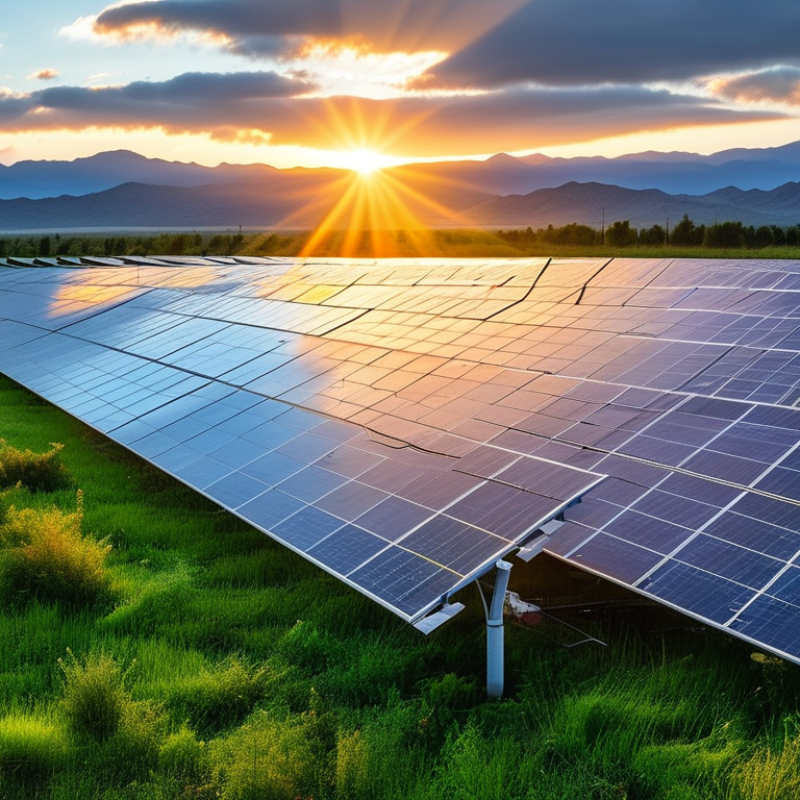
Half cut cell solar panels have gained attention for their superior efficiency. The design involves splitting standard solar cells into two halves. This innovative approach reduces the distance that electricity must travel within the cell. As a result, power loss is minimized, leading to a notable increase in energy output.
A significant advantage of half cut cell technology is improved thermal performance. Half cut cells generate less heat compared to traditional cells. This lower temperature ensures better efficiency, especially in hot climates. Additionally, these panels are more resistant to shading issues. If one part of the panel is shaded, the other section continues to produce energy, enhancing overall performance.
Tips: When considering solar panel options, evaluate your local climate. If you live in a sun-rich area, half cut cells can offer substantial gains. Also, think about the installation environment. Shaded roofs may benefit from the unique design of half cut cells. Remember, energy efficiency can lead to lower electricity bills over time.
Half cut cell solar panels represent a significant advancement in photovoltaic technology. Their design features cells that are cut in half, reducing material usage and improving performance. Recent studies indicate that these panels can achieve efficiency rates exceeding 21%, compared to traditional full cell panels, which typically max out around 17-18%. This increase in efficiency is largely attributed to reduced shading and better light absorption.
One of the notable benefits of half cut cells is their enhanced temperature coefficient. A lower decrease in output with rising temperatures leads to better performance in hotter climates. Reports from the National Renewable Energy Laboratory (NREL) show that half cut cell panels can maintain up to 25% more energy production under high temperatures. This makes them a compelling choice for residential and commercial installations.
However, the manufacturing process can complicate things. Cutting cells in half requires precise technology and increased handling, potentially impacting yield rates. Some manufacturers face challenges in maintaining consistency and quality during production. As the industry evolves, it is crucial to address these complexities to realize the full potential of half cut cell technology. Improvements in quality control and manufacturing techniques will play a vital role in maximizing efficiency while also keeping costs competitive.
Half cut cell solar panels are gaining attention for their improved efficiency. This design minimizes resistance, enhancing energy production. A study published by the National Renewable Energy Laboratory suggests that half cut cell technology can reduce resistive losses by up to 50%. This reduction plays a key role in boosting performance, especially in low-light conditions.
The innovation behind half cut cells involves splitting traditional solar cells in half. This leads to lower current flow, which decreases resistive losses. With reduced shading impact, even partially shaded areas still generate power effectively. Industry reports indicate that these panels can achieve efficiency rates exceeding 22%, compared to conventional panels, which often max out around 18%.
Tips: Consider your installation’s orientation. Proper placement helps maximize sunlight exposure. Also, check local incentives for solar technology. They can significantly offset upfront costs. Always consult with experts for specific recommendations tailored to your needs.
Half-cut cell solar panels have gained attention for their enhanced efficiency. The design of these panels allows for better light absorption. With cells cut in half, there is less resistance to the flow of electricity. This leads to higher overall power output. The reduced shading effects also play a significant role in increasing efficiency.
Light absorption is crucial. A half-cut cell structure captures sunlight more effectively. This enables better collection of energy, even in less than ideal conditions. Shadows or obstructions impact performance differently than in traditional panels. These panels can still generate power even when partially shaded. This resilience makes them a viable option for various installations.
Tips: Maintain your solar panels regularly. Clean them to ensure optimal light absorption. Monitor performance to spot any issues early. Consider the orientation of your panels for maximum sunlight exposure. Adjust if necessary to improve efficiency. Understanding these details can lead to better energy management. Effective use of half-cut cells can enhance your solar investment significantly.
The adoption of half cut cell solar technology is rapidly gaining traction in 2023. This innovative design allows for increased efficiency by minimizing the losses associated with shading and enhancing performance in low-light conditions. As solar installation costs decrease, many consumers now prioritize efficiency. Half cut cell panels prove their worth by delivering more power in limited space.
Market trends indicate a growing preference for half cut cell technology among investors and homeowners alike. Many are recognizing its advantages over traditional solar panels. Reports show a notable increase in adoption rates, with a significant portion of new installations utilizing this technology. However, some challenges remain. Consumers may face higher initial costs due to the advanced technology. Navigating these concerns requires careful consideration.
Despite potential drawbacks, the benefits of half cut cell panels are compelling. Enhanced durability and energy output can lead to greater long-term savings. Nevertheless, the market must reflect on how to educate consumers about these advantages. Making informed decisions is crucial in this evolving landscape of solar energy. Balancing economic factors and technological advancements will shape the future of solar panel adoption.
: Half cut cell design splits standard solar cells into two halves, improving efficiency and reducing power loss.
These cells generate less heat compared to traditional ones, enhancing efficiency, especially in hot climates.
If part of the panel is shaded, the other section continues to generate energy, maintaining overall performance.
Half cut cells capture sunlight more effectively, resulting in higher power output and reduced resistance.
Regular cleaning ensures optimal light absorption, which can improve energy output and system efficiency.
Evaluate local climate and shading conditions to maximize the benefits of half cut technology.
Yes, they generate power even when partially shaded, making them versatile for various installations.
Regular checks can identify issues early, allowing for timely maintenance and improved energy management.
Some believe shading drastically reduces energy output; however, half cut cells maintain performance under shade.
Yes, adjusting panel orientation can maximize sunlight exposure and enhance energy efficiency over time.
Half-cut cell solar panels are gaining traction in the solar energy market due to their several advantages that enhance efficiency. These panels minimize electrical resistance, resulting in improved performance, especially in low-light conditions. The unique design of half-cut cells reduces shading losses and allows for greater light absorption, which significantly boosts energy output compared to traditional solar cells. This discussion leads us to explore why half-cut cell solar panels are more efficient: their structural benefits enable better performance under various environmental conditions.
In 2023, the adoption rates of half-cut cell technology are on the rise, reflecting market trends that favor higher efficiency solutions. As solar technology continues to advance, the benefits of half-cut cell design become increasingly clear, attracting both residential and commercial sectors looking for optimal energy solutions. The combination of reduced resistance, enhanced light absorption, and innovative design puts half-cut cell panels ahead of traditional options, contributing to a more sustainable energy future.
Ran Solar