How to Fix Low Power Output from Solar Modules?

Time:2026-05-01 Author:Charlotte
0%

Understanding why solar modules produce less power than rated is crucial for optimizing energy output. According to expert Dr. Emily Harper, "Many factors can affect the performance of solar panels." Discovering the reasons behind decreased power output is essential for every solar system owner.

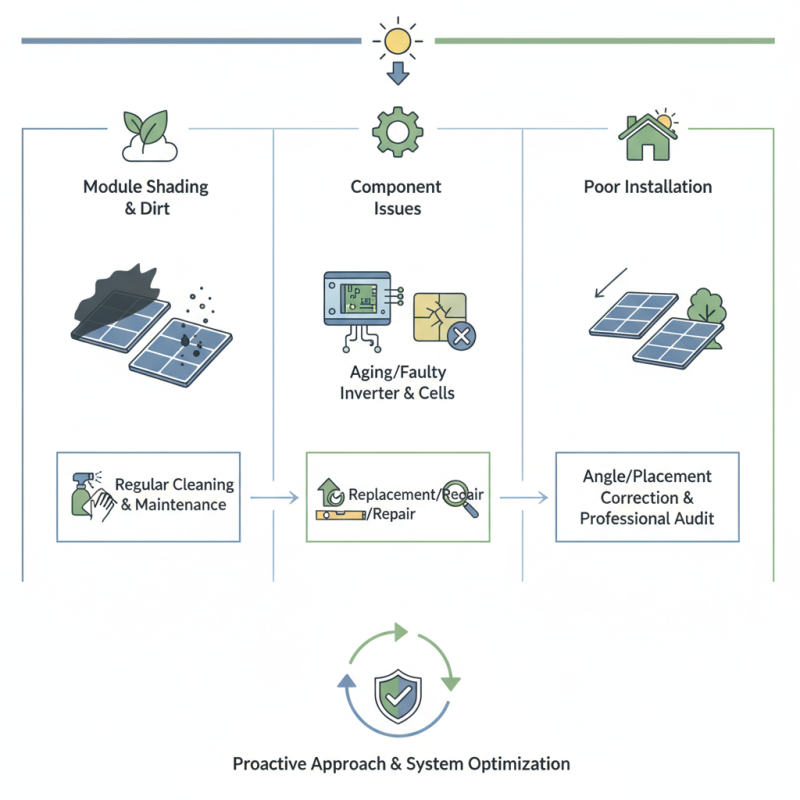
Module shading, dirt accumulation, and aging components are common culprits. Dr. Harper emphasizes that even a small amount of shade can reduce energy production significantly. Regular maintenance and cleaning can help mitigate this issue. Another overlooked reason could be the inverter performance. Faulty inverters often lead to reduced efficiency, causing frustration for users.

Poor installation may also contribute to low output. Incorrect angle or placement can decrease a panel’s energy capture. Reflecting on these factors can lead to better performance. Assess your system regularly and seek professional evaluations when needed. This proactive approach can enhance your solar power experience.
How to Fix Low Power Output from Solar Modules?

Identifying Common Causes of Low Power Output in Solar Modules

Low power output from solar modules can stem from various issues. One common cause is shading, which can reduce energy production significantly. A study by the National Renewable Energy Laboratory indicates that even a small shadow can lower output by up to 80%. Dirt and debris on panels can also hinder performance. Clean solar panels are crucial, as dirt can decrease efficiency by approximately 10% to 30%.

Temperature extremes can impact solar efficiency. High temperatures may lead to a drop in output. An analysis from the Solar Energy Industries Association highlights that solar panel efficiency decreases by about 0.5% for every degree Celsius above 25°C. Electrical issues, such as connection problems, can also lead to reduced power. Regular maintenance checks are essential to ensure optimal performance.

Tip: Keep your solar panels clean and free of debris. Inspect them regularly to prevent dirt buildup.

Tip: Monitor your system’s temperature. Consider installing temperature sensors to manage performance more effectively.

Addressing these issues can improve output. Regular maintenance promotes longer lifespan and better efficiency. Understanding these common causes allows owners to take corrective action swiftly. Fixing these aspects can enhance solar output significantly, leading to better power generation and efficiency.

Testing and Measuring the Performance of Solar Panels

Testing and measuring the performance of solar panels is crucial for understanding their efficiency. Start with a multimeter to check the voltage output. Locate the wiring junction box and connect the probes. Ensure the panels are facing the sun for accurate readings. If the voltage is lower than expected, your panels may not be working optimally.

Use a solar analyzer for a more comprehensive assessment. This device measures both voltage and current output. It can identify shading issues or dirty surfaces. Clean any debris from the panels. Regular maintenance can significantly improve performance. Document your findings for future reference. This practice promotes awareness of any consistent performance dips.

Remember that environmental factors matter. Days with cloud cover can lower output, which is normal. Comparing performance across different seasons helps identify trends. Stay proactive with inspections and adjustments. If you notice persistent low power output, consider consulting an expert for deeper evaluation.

Performance Measurement of Solar Panels

This chart displays the power output of solar panels across different testing conditions, measured in Watts. The data illustrates the variations in performance based on temperature and sunlight intensity.

Cleaning and Maintaining Solar Panels for Optimal Efficiency

Solar panels are an essential investment for harnessing renewable energy. However, they can lose efficiency if not properly cleaned and maintained. Dust, dirt, and debris accumulate on the panels over time, blocking sunlight and reducing power output. Regular cleaning is crucial to ensure optimal performance. Use a soft brush or cloth to gently remove loose particles. Avoid harsh chemicals, as these can damage the panel surface.

Monitoring the condition of your solar panels is equally important. Look for any signs of wear and tear, such as cracks or discoloration. If damage is found, it could hinder energy production. Additionally, ensuring that the panels are positioned correctly can prevent shading from nearby trees or buildings. Shifting them to a sunnier spot might be necessary.

Periodic maintenance checks can prevent minor issues from escalating. Engage a professional to inspect connections and wiring. This ensures your solar system operates at peak efficiency. Learning about common problems and their solutions fuels better upkeep practices. Taking these steps can enhance the longevity and effectiveness of your solar investment.

Upgrading Components to Improve Solar Module Performance

When dealing with low power output from solar modules, upgrading components can be a key strategy. Many systems underperform due to outdated or inadequate parts. Enhancing components may lead to notable improvements. Consider the inverter, for example. A high-efficiency inverter converts more energy from solar panels. This can significantly boost overall output.

Another component worth examining is the wiring system. Using larger gauge wires can reduce resistance. This change minimizes energy loss during transmission. Additionally, replacing aging connectors can improve efficiency. High-quality connectors ensure reliable connections, which reduce power drops.

Regularly inspecting and upgrading compatible components is essential. It may sound simple, yet many overlook this vital step. Investing effort into improvements can yield substantial returns. Keeping track of performance metrics will guide future upgrades as well. Embracing this proactive approach can help maintain a solar system's effectiveness over time.

Consulting Professionals for Comprehensive System Evaluation

Low power output from solar modules can disrupt the entire energy system. Consulting professionals becomes crucial for a thorough evaluation. Experts in the industry have access to tools and techniques that ensure a detailed analysis of your solar setup. Their experience helps identify issues you may not recognize. For instance, dirty panels, faulty wiring, or shading can severely affect output.

Industry reports suggest that up to 20% of a solar system's efficiency can be lost due to shading alone. Professional technicians can measure this loss accurately using advanced tools. They examine angles, obstructions, and weather conditions, and compare these with expected energy outputs. These insights help in making informed adjustments to improve efficiency.

Regular maintenance evaluations can also be overlooked. A study revealed that about 30% of solar systems installed from 2014 to 2019 experienced significant performance drops. This reflects the importance of periodic professional checks. Without these, small issues can escalate, leading to costly repairs. It's vital to treat your solar system with the attention it deserves, which includes involving industry specialists who can provide proven solutions and reliability.

How to Fix Low Power Output from Solar Modules?

Issue Possible Causes Recommended Solutions Common Indicators
Dirty Panels Dust, debris, or bird droppings on the surface Regular cleaning and maintenance Reduced output during sunny days
Poor Installation Improper angle or orientation Consulting installation professionals for realignment Inconsistent power output throughout the day
Shading Nearby trees or buildings blocking sunlight Trimming surrounding vegetation or relocating panels Lower generation during certain times of the day
Component Failure Malfunctioning inverter or wiring issues Professional inspection and replacement Frequent system shutdowns or error messages
Aging Equipment Decreased efficiency over time Considering panel replacement or upgrading Output falling below expected levels

FAQS

: What causes low power output in solar modules?

: Low power output may result from shading, dirt, temperature extremes, and electrical issues.

How does shading affect solar panel performance?

Even a small shadow can reduce output by up to 80%, significantly impacting energy production.

Why is keeping solar panels clean important?

Dirt and debris can decrease efficiency by 10% to 30%. Regular cleaning promotes better performance.

How does temperature affect solar panel efficiency?

Efficiency drops by about 0.5% for every degree Celsius above 25°C, particularly in high temperatures.

What can I use to measure solar panel performance?

A multimeter checks voltage, while a solar analyzer measures voltage and current for a detailed assessment.

How can I improve the performance of solar modules?

Upgrading components like inverters and wiring can boost output. Regular inspections are also essential.

What role does regular maintenance play in solar efficiency?

Regular maintenance promotes longer lifespan and better efficiency, leading to improved energy output.

Should I keep a record of my solar panel performance?

Documenting findings helps track performance trends and identify consistent dips or issues over time.

What should I do if I notice persistent low power output?

Consult an expert for deeper evaluation and to pinpoint specific problems affecting your solar system.

Are environmental factors affecting solar output normal?

Yes, cloud cover and seasonal changes can lower output. Monitoring these factors can help detect trends.

Conclusion

If you find yourself asking, "why are my solar modules producing less power than rated?" it’s essential to examine several factors that could be impacting their efficiency. Common causes for low power output include shading, dirt, and damage to the panels. Testing and measuring the performance of solar panels can help identify any underlying issues affecting their output. Regular cleaning and maintenance are crucial to ensure optimal efficiency, as dirt and debris can significantly reduce power generation.

Furthermore, upgrading components such as inverters or wiring can enhance the overall performance of your solar module system. If problems persist, it may be beneficial to consult professionals for a comprehensive evaluation, as they can provide expert insights and solutions tailored to your specific situation. By addressing these factors, you can improve the performance of your solar modules and maximize your energy production.

Charlotte

Charlotte

Charlotte is a seasoned marketing professional with a deep understanding of the company's portfolio and a passion for elevating its presence in the market. With a keen eye for detail and a commitment to excellence, she ensures that our professional blog is regularly updated with insightful articles......