Understanding what are the maintenance costs for a 10kw solar system is crucial for homeowners and investors alike. Regular maintenance ensures the longevity and efficiency of the solar system. According to a report by the National Renewable Energy Laboratory (NREL), maintenance costs can vary greatly. On average, these costs can range from $15 to $30 per month, depending on various factors.
Factors influencing maintenance expenses include system age, location, and specific technology used. For example, in areas with heavy dust or snow, more frequent cleaning may be necessary. Additionally, warranties and service agreements often dictate the extent of maintenance costs. A well-maintained 10kw solar system can lead to energy savings that far outweigh these expenses.
However, over time, some owners might overlook maintenance. Neglect can lead to decreased efficiency and potential repair costs. An inspection every year is generally recommended. Most installers offer maintenance packages, which can alleviate concerns for owners. Understanding these costs and their impact on overall investment is essential for sustaining an efficient solar energy system.
Understanding the Basics of Maintenance Costs for Solar Systems
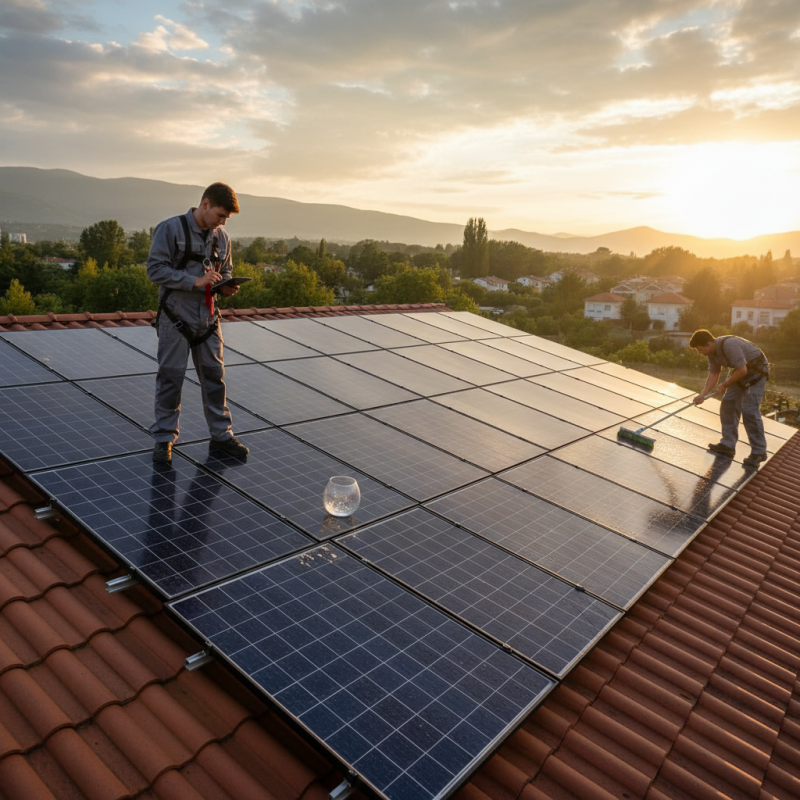
When it comes to solar systems, understanding maintenance costs is crucial. For a 10kW solar system, these costs can include cleaning, inspections, and repairs. Cleaning is essential to ensure optimal performance. Dust and debris can build up on panels, reducing efficiency. Some homeowners choose to clean their panels regularly, while others may hire professional services.
Inspections are another important factor. Routine checks can identify potential issues early. A professional inspection often costs between $100 and $300 annually. In some cases, parts may need replacement, adding to total costs. Not all repairs are costly, but budgeting for unforeseen issues is wise. Allocating around 1-2% of the system’s initial cost for maintenance each year is a common practice.
Many owners overlook soft costs like labor. Hiring skilled technicians for repairs or upgrades can add up. Choosing not to address small issues promptly can lead to larger problems down the line. So, being proactive is key to maintaining cost-effectiveness. Engaging with local experts may offer reliable insights into managing these expenses effectively.
Factors Influencing Maintenance Costs of a 10kW Solar System
Calculating maintenance costs for a 10kW solar system involves several factors. The type of solar panels and inverter used can significantly impact these costs. Standard maintenance costs typically range from 1% to 3% of the total installation cost annually. For a 10kW system, this can translate to $100 to $300 yearly.
Weather conditions also play a crucial role. Areas with heavy rainfall may require less cleaning, while dusty regions may incur higher maintenance costs due to frequent cleaning needs. A study by the National Renewable Energy Laboratory suggests that dirt accumulation can reduce solar panel efficiency by up to 25%. Moreover, the system's location affects accessibility. Roof-mounted systems might need professional help for maintenance, increasing costs.
Proper planning is essential. Components like inverters have different lifespans. Inverters usually need replacement every 5 to 10 years. This adds to long-term costs. Keeping records of maintenance activities can help identify recurring issues, potentially lowering unexpected expenses. Regular inspections are necessary to avoid larger problems, which can be costly. Balancing cost against potential efficiency gains is a constant challenge for solar system owners.
Estimating Routine Maintenance Expenses for Solar Panels
Estimating routine maintenance expenses for a 10kW solar system involves several key factors. To keep solar panels in optimal condition, regular inspections are necessary. These checks can reveal dirt, debris, or potential damage. Cleaning costs typically range from $150 to $300 per visit, depending on the system's location and accessibility. Annual inspections are recommended, adding to the yearly budget.
In addition to cleaning, string inverter replacement can be a significant expense. On average, inverters last between five to ten years. Depending on the model, replacement can cost anywhere from $1,000 to $3,000. This expense should be factored into long-term planning. Monitoring systems can also help track performance but may require subscription fees.
Don't overlook the importance of local weather conditions. Harsh climates can contribute to wear and tear, increasing maintenance needs. It's vital to adjust your budget for these variations. While solar systems are generally low maintenance, unexpected repairs can still arise, prompting the need for a contingency fund.
Estimated Annual Maintenance Costs for a 10kW Solar System
Identifying Potential Repairs and Their Impact on Costs
When maintaining a 10kW solar system, identifying potential repairs is crucial. Common issues include inverter failures, wiring damage, and degradation of solar panels. Inverters usually last about five to ten years. Replacing them can be a significant cost, often exceeding $1,000. Wiring may become frayed due to environmental factors, leading to safety hazards and additional expenses.
Regular inspections can reveal problems early. This proactive approach minimizes repair costs and enhances system efficiency. Inspect solar panels for dirt and debris; they can block sunlight and reduce output. Cleaning costs are relatively low, but neglecting this can result in larger expenses down the line.
It’s also wise to track the performance of your system. Sudden drops in energy production often signal hidden issues. Keeping an eye on your system can prevent costly repairs later, creating peace of mind. Consider documenting any repairs or maintenance tasks. This record helps in anticipating future issues and managing budgets effectively.
Budgeting for Long-term Maintenance of Solar Energy Systems
Maintaining a 10kw solar system requires thoughtful budgeting. Regular maintenance ensures efficiency and longevity. However, many owners overlook long-term costs. Understanding these expenses can significantly impact financial planning.
Annual maintenance typically includes inspections, cleaning, and repairs. A thorough inspection may cost around $200. Cleaning panels might add another $150 per year. Small repairs can vary widely. Unexpected issues could arise, leading to unplanned costs. Owners must be prepared for these potential expenses.
In the long run, budgeting for maintenance is essential. While solar panels are designed to last, they are not immune to wear and tear. Battery replacements and inverter repairs may occur as the system ages. Setting aside funds for these expenses can alleviate financial strain later. Embracing this proactive approach ensures your solar investment remains sound.
FAQS
: Main costs include cleaning, inspections, and repairs. Routine upkeep ensures optimal performance and longevity.
Cleaning is essential. Dust and debris block sunlight, reducing efficiency. Regular cleaning helps maintain performance.
Inspections typically range from $100 to $300 annually. Regular checks can identify issues before they become costly.
Budgeting 1-2% of your initial system cost is common. This accounts for regular upkeep and unexpected repairs.
Common repairs include inverter failures and wiring issues. These can lead to higher costs if neglected.
Inverters last five to ten years. Replacing them can cost between $1,000 and $3,000, so plan accordingly.
Monitoring can identify sudden drops in energy production. Early detection prevents larger, costly repairs down the line.
Harsh climates increase maintenance needs. Adjust your budget to accommodate potential wear and tear from local conditions.
Yes, soft costs like labor for repairs can add up. Neglecting small issues can lead to bigger, costlier problems later.
Regular inspections and performance tracking are key. Keeping detailed records helps anticipate and budget for future repairs.
Conclusion
When considering a 10kW solar system, it's essential to understand what are the maintenance costs for a 10kW solar system, which can significantly impact overall financial planning. Maintenance costs typically include routine expenses such as cleaning solar panels, inspecting system components, and ensuring optimal performance. These routine maintenance expenses can vary based on factors like location, system design, and environmental conditions.
Moreover, potential repairs should be factored into the budget, as they can arise from equipment wear and tear or damage from external elements. Long-term budgeting for maintenance involves anticipating these repairs and setting aside funds to ensure the solar system remains efficient and cost-effective over its lifespan. By understanding these components, solar system owners can better prepare for the financial responsibilities associated with maintaining a 10kW installation.

 Ran Solar