In the pursuit of maximizing solar energy production, one vital factor arises: shading. Properly spacing solar rows is essential to ensure optimal sunlight exposure. This article focuses on how to calculate the distance between solar rows to avoid shading. Understanding this concept can directly influence energy efficiency and system performance.
When solar panels are too close, shading occurs, leading to significant energy losses. It is crucial to consider factors such as the sun's path, panel tilt, and local environment. Different installations may require unique calculations. Some novices might assume that a standard distance suffices, but each scenario holds variables that could affect results. It is not just about distance; angles and nearby structures matter too.
Calculating these distances accurately requires attention to detail and experiences from previous installations. Using shadow analysis tools and simulations can improve reliability. However, many still overlook these calculations, resulting in inefficiencies. Reflecting on past mistakes can guide future decisions, ensuring better performance. Emphasizing the need for careful consideration promotes effective solar array design.
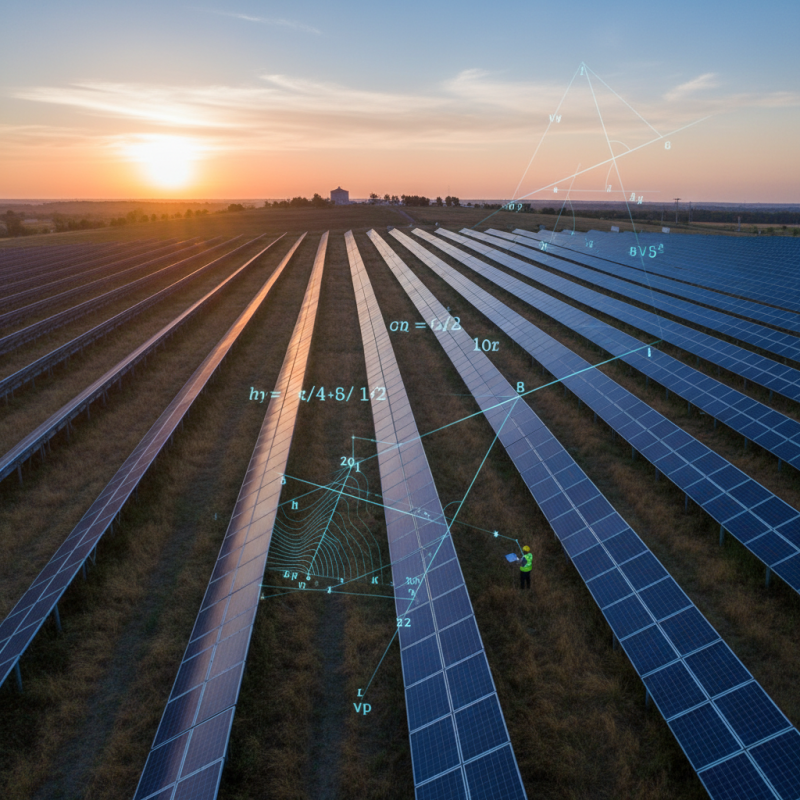
Understanding Solar Row Spacing Fundamentals
Understanding the spacing between solar rows is crucial to maximize energy production. Improper spacing can lead to shading, which reduces efficiency. When solar panels are too close, one row can block sunlight from reaching another. This is often overlooked but has significant implications for performance.
To determine the ideal distance, consider panel height and local climate. A common guideline suggests spacing rows at least two to three times the height of the panels. For example, if your panels are 1 meter high, place them 2 to 3 meters apart. This distance helps minimize shading during peak sunlight hours.
Tips: Measure the sun's path in different seasons. Shadows can vary greatly. Also, consider local topography. Hills or buildings can affect sunlight, requiring adjustments in spacing. Regularly review panel placement to ensure optimal performance. If you notice shading, rethink row spacing.
Taking these factors into account is essential. Remember, what works in one location might not in another. Reflect on your setup regularly. Adjust your design to enhance energy efficiency. Testing different configurations can lead to better sustainability outcomes.
How to Calculate Distance Between Solar Rows to Prevent Shading
This chart illustrates the relationship between row height, row spacing, and the resulting irradiance reduction. To optimize solar panel performance, adjusting the spacing between rows is crucial for minimizing shading effects, ensuring efficient energy capture.
Factors Influencing Distance Between Solar Rows
When calculating the distance between solar rows, several factors come into play. The angle of the sun, the height of the panels, and the geographical location of the installation significantly affect shading. For instance, solar panels installed in areas with higher solar angles, like near the equator, may require less space than those placed at higher latitudes. According to the National Renewable Energy Laboratory (NREL), a general rule of thumb is to space panels 1.5 times the height of the panels to minimize shading.
Additionally, seasonal variations in sunlight should be considered. In winter months, the sun is lower in the sky, necessitating greater distances between rows. Ignoring this can lead to reduced energy production. A study from the Solar Energy Industries Association (SEIA) indicates that incorrect spacing can decrease a solar array’s output by up to 30%.
Tip: Always assess local weather patterns and sunlight exposure when planning your solar layout. Using shading analysis tools can help you optimize row spacing. Furthermore, regular maintenance of surrounding vegetation is crucial. Overgrown plants can increase shading and impact energy efficiency.
Step-by-Step Guide to Measure Solar Panel Height
When planning a solar installation, measuring the height of solar panels is essential for optimal efficiency. A crucial aspect is the distance between solar rows. This ensures that taller panels do not cast shadows on their neighbors. Research indicates that a minimum spacing of 2 to 3 feet is necessary for panels that are 6 feet tall. This can vary based on the geographic location and tilt angle of the panels.
To accurately measure the height, start with the base of the solar panel. Use a level and tape measure for precision. Measure from the ground to the highest point, accounting for any tilt. Be mindful of seasonal changes; shadows can differ throughout the year. A study by the National Renewable Energy Laboratory (NREL) found that optimal solar panel placement can increase efficiency by up to 20%.
Proper distance calculations help enhance energy production. For instance, a 5% drop in efficiency due to shading can significantly impact overall output. Some installers overlook this critical detail. Reflecting on these missteps can lead to better planning in future installations. Always prioritize accurate measurements to avoid costly errors later on.
How to Calculate Distance Between Solar Rows to Prevent Shading? - Step-by-Step Guide to Measure Solar Panel Height
| Solar Panel Height (m) |
Distance Between Rows (m) |
Optimal Angle (degrees) |
Potential Shading (hours) |
| 1.0 |
4.0 |
30 |
2 |
| 1.5 |
5.0 |
25 |
1.5 |
| 2.0 |
6.0 |
20 |
1 |
| 2.5 |
7.0 |
15 |
0.5 |
| 3.0 |
8.0 |
10 |
0.3 |
Calculating Optimal Spacing to Minimize Shading
When planning solar row spacing, calculating optimal distance is crucial. Solar panels need sunlight to work efficiently. If they are too close, shadows can form, reducing power generation. The ideal gap depends on various factors, including the angle of the sun and the height of the panels.
Consider the height of your solar array. Taller arrays require more space to avoid shade from adjacent rows. A general rule is to double the height of the panel when calculating distance. This may sound simple, but many forget to factor in seasonal changes. The sun's position shifts, which can alter shading throughout the year.
You might face challenges when implementing your plan. It is tough to find the perfect distance. Measurements can vary based on geographical location and local weather conditions. Regularly reviewing your setup can help address any shading issues that arise over time. Adjusting row distances may be necessary as the sun's path changes. This trial and error approach leads to better results. Always remember that initial calculations are just a starting point. Keeping an eye on performance will help ensure your solar energy system remains effective.
Assessing Seasonal Sun Angle for Better Layout Design
Assessing the seasonal sun angle is crucial for optimizing the layout of solar rows. The angle changes dramatically throughout the year, affecting how much sunlight each panel receives. In practice, a south-facing installation might receive more sunlight in the summer than in winter. This variation requires thoughtful planning to maximize energy capture.
To prevent shading, one must calculate the distance between rows based on the sun's position in different seasons. For example, during winter months, the sun is lower in the sky, which may cause rows to cast shadows on each other. A spacing of at least 3 to 4 meters between rows may be necessary to avoid this issue. Utilizing tools like solar pathfinders helps to determine the sun's trajectory accurately.
Designing for this variability isn't always straightforward. Even expert calculations can sometimes lead to suboptimal outcomes if local conditions like nearby trees or buildings aren't taken into account. Considering the impact of seasonal changes can make or break the efficiency of a solar panel system. It’s essential to adapt designs continually and reflect on past setups for improvement.
Conclusion
When considering how to calculate the distance between solar rows to avoid shading, it's essential to understand the fundamental principles of solar row spacing. Various factors influence the optimal distance, including panel height, seasonal sun angles, and the geographical location of the installation. A systematic approach involves measuring the height of the solar panels and assessing the sun's angle at different times of the year.
By following a step-by-step guide, one can accurately determine the necessary spacing between solar rows. This calculation helps minimize shadows cast by adjacent rows, ensuring that each panel receives maximum sunlight exposure throughout the year. Ultimately, careful planning and measurement are key to designing an efficient solar layout that optimizes energy production while preventing shading issues.

 Ran Solar