As the demand for renewable energy rises, solar power remains a key focus. Yet, cloudy weather often challenges efficiency. Research indicates that solar panels can lose up to 30% of their energy output under overcast conditions. This highlights a critical question for both homeowners and energy professionals: how to increase solar panel efficiency in cloudy weather.
Experts like Dr. Emily Thornton, a leading researcher in solar technologies, emphasize the importance of innovation. She stated, “Understanding the limitations of solar power in varying conditions is essential for optimizing performance.” By exploring advanced materials and innovative designs, we can enhance energy capture even when the sun is hidden.
Moreover, companies are investing in technologies like bifacial panels and tracking systems. These developments aim to maximize light absorption from reflected sources. While progress is tangible, challenges remain in widespread implementation and cost-effectiveness. Ultimately, the ongoing evolution in solar technology will shape how we harness energy in less-than-ideal conditions.
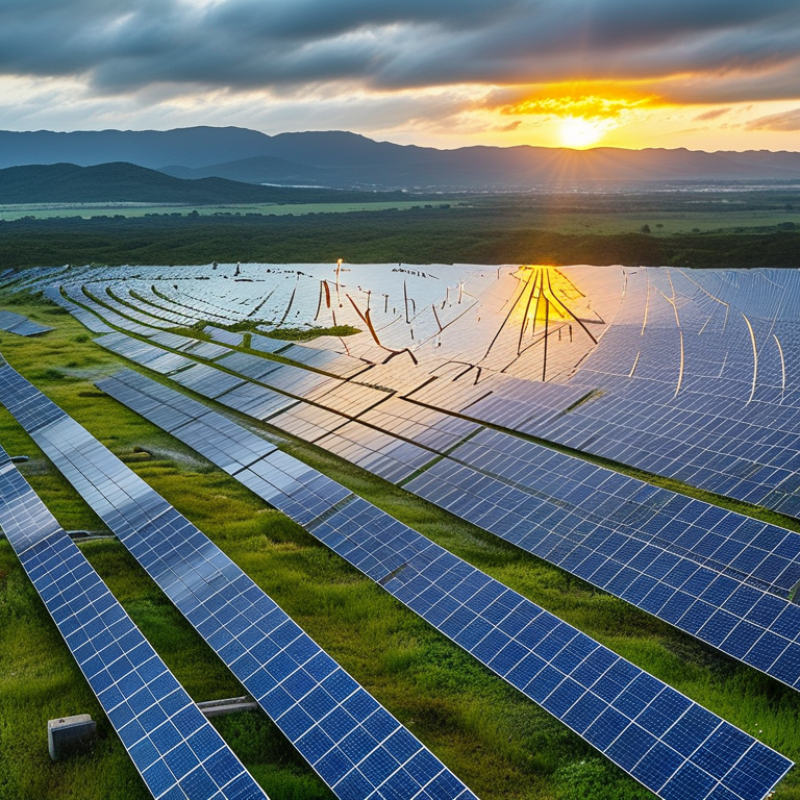
Techniques to Optimize Solar Panel Performance in Overcast Weather
Cloudy weather can reduce solar panel efficiency, but various techniques can help optimize performance. One effective method is using solar trackers. These devices adjust the panel's angle throughout the day, capturing more sunlight, even when it’s overcast. Installation may require extra upfront investment, but the long-term gains can be significant.
Another technique involves cleaning your solar panels regularly. Dust, dirt, and debris can accumulate, obstructing sunlight even in less than ideal conditions. Using a soft brush or hose is usually sufficient. However, be cautious. Overzealous cleaning might scratch the surface.
Additionally, investing in high-efficiency panels can also improve production in cloudy weather. While more expensive, they are designed to harness more light. However, their performance still varies depending on the specific weather conditions. Each strategy has advantages and challenges. Exploring these options can lead to informed decisions based on unique energy needs.
Understanding how Cloud Cover Affects Solar Energy Generation
Cloud cover can significantly impact solar energy generation. When the sky is overcast, solar panels usually produce less electricity. However, they can still operate efficiently under these conditions. Understanding how to maximize their output is essential for solar energy users.
One way to enhance efficiency is by using solar panels with high sensitivity to diffuse light. These panels can capture sunlight even on cloudy days. Additionally, keeping the panels clean helps maintain their performance. Dust and debris can obstruct light absorption, reducing energy output.
It’s worth noting that not all clouds are equal. Thin clouds can allow more sunlight to pass through than thick ones. A nuanced approach to solar energy might involve adjusting system settings or adding battery storage. This can help users optimize their energy usage when solar production dips. Keep an eye on weather patterns and adjust expectations accordingly. This reflection can help in planning energy needs.
How Cloud Cover Affects Solar Panel Efficiency
Utilizing Advanced Solar Technologies for Cloudy Conditions
Cloudy conditions often challenge solar energy production. However, advanced solar technologies can improve efficiency significantly. Many traditional solar panels struggle to capture sunlight in low light. Yet, improvements in materials and design can enhance performance. For instance, bifacial solar panels absorb light from both sides. This feature allows them to harness scattered sunlight more effectively.
Moreover, incorporating thin-film solar technology can lead to better outcomes. Thin-film cells perform well under diffused light conditions. They are lighter and can be installed in varied settings. This adaptability means they can work on rooftops, walls, and other surfaces. Additionally, solar trackers can be used. These devices adjust panels’ angles to capture maximum light during cloudy days.
Investing in energy storage solutions is another valuable approach. Batteries can store excess energy generated during sunny periods. This stored energy can then be used when sunlight is limited. However, reliance on these technologies necessitates careful consideration of costs and efficiency. Not every setup may yield the desired results, prompting further exploration and improvement.
How to Boost Solar Panel Efficiency in Cloudy Conditions?
| Technology |
Description |
Efficiency Gain (%) |
Cloudy Condition Adaptation |
| Bifacial Solar Panels |
Capture sunlight from both sides, increasing energy capture. |
10-20% |
Reflective surfaces help harness diffuse light. |
| Thin-Film Solar Technology |
Flexible and lightweight, effective in low-light conditions. |
8-15% |
Better performance in cloudy weather than traditional panels. |
| Maximizing Angle of Inclination |
Adjusting angle to optimize sunlight capture. |
5-10% |
Optimal angle can improve performance in overcast conditions. |
| Advanced Inverters |
More efficient conversion of solar power to usable electricity. |
2-5% |
Enhanced performance in variable sunlight. |
| Heliostat Systems |
Mirror systems that redirect sunlight to a focal point. |
15-25% |
Can increase capture area significantly in cloudy weather. |
The Role of Angle and Orientation in Maximizing Solar Output
Cloudy weather can significantly reduce solar panel efficiency. However, the angle and orientation of solar panels play a critical role in maximizing their output under such conditions. Installing panels at the optimal angle can capture more sunlight, even when the skies are overcast. This requires understanding the sun's path and adjusting the tilt according to your location.
For instance, a tilt angle closer to your latitude can enhance performance on cloudy days. Tilt adjustments allow panels to collect diffuse sunlight more effectively. Additionally, orienting panels toward the equator—south in the Northern Hemisphere and north in the Southern Hemisphere—can capture maximum light throughout the year. This simple adjustment could lead to noticeable improvements in energy production.
It's also important to remember that even small misalignments can affect output. Regularly assessing the angle and orientation is crucial. An angle change of just a few degrees can make a difference. Reflecting on regular maintenance helps ensure that your system is operating optimally, especially in less-than-perfect weather conditions.
Innovative Materials that Enhance Solar Panel Efficiency in Low Light
Innovative materials can significantly enhance the efficiency of solar panels, especially in low light conditions. Recent studies indicate that solar panels made with bifacial technology can capture light from both sides, increasing energy output by up to 30% in cloudy weather. This improvement stems from reflective surfaces that utilize light bouncing off the ground or surrounding structures.
Additionally, new coatings incorporated in solar cells can enhance their light absorption capabilities. For instance, perovskite materials have shown promise in absorbing a wider spectrum of sunlight, including low-intensity light. These materials can boost conversion efficiency to approximately 25%, even when sunlight is limited. Research is ongoing, but early results highlight significant potential.
It’s essential to consider the real-world application of these technologies. While they show promise, their long-term durability and stability remain uncertain. Current reports indicate that some innovative materials might degrade faster than traditional silicon-based panels. This could impact their overall effectiveness and longevity. The industry must address these challenges to ensure reliability in varying weather conditions. The path to enhancing solar efficiency is complex, but with continued investment in innovative materials, solutions may emerge.
FAQS
: Cloud cover reduces solar energy output. However, panels still generate electricity under overcast skies.
Yes, solar panels can operate efficiently even in cloudy conditions.
Panels with high sensitivity to diffuse light are optimal. They capture sunlight better on overcast days.
Dirt and debris block light absorption, reducing energy output. Regular cleaning helps maintain performance.
Thin clouds allow more sunlight than thick clouds. This can influence energy production levels.
Advanced solar technologies, like bifacial panels and thin-film cells, enhance efficiency under diffuse light.
Yes, adjusting system settings can help optimize energy usage when sunlight is limited.
Batteries store excess energy generated when sunny. This energy can be used during cloudy periods.
Yes, solar trackers can adjust angles to capture maximum light even on cloudy days.
Yes, some technologies may not yield the desired results. Careful consideration of costs is essential.
Conclusion
This article explores various strategies on how to increase solar panel efficiency in cloudy weather. It begins by discussing the impact of cloud cover on solar energy generation, emphasizing that while direct sunlight may be diminished, solar panels can still harness diffused light. The piece highlights techniques such as adjusting the angle and orientation of solar panels to maximize their exposure to available sunlight, even during overcast conditions.
Furthermore, the article delves into the utilization of advanced solar technologies and innovative materials designed specifically to enhance performance in low-light situations. By adopting these strategies, solar energy systems can significantly optimize their output, ensuring that users can continue to benefit from renewable energy sources, regardless of typical weather challenges.

 Ran Solar