Solar energy continues to gain traction as a sustainable energy source. However, understanding the durability of solar panels is crucial for potential users. A key concern is the degradation rate. This rate determines how much power a solar module loses over time. Experts emphasize the importance of this metric for consumers making informed decisions.
Dr. Jane Anderson, a solar energy specialist at GreenTech Analytics, states, “What is the degradation rate of modern solar modules? It’s a vital question that impacts long-term investment.” Dr. Anderson highlights that typical degradation rates for modern solar panels range from 0.3% to 0.8% per year. This translates to a significant drop in efficiency over decades.
Many solar panel manufacturers offer warranties that span 25 years or more. Yet, it's important to ask: How reliable are these guarantees? Real-world performance can vary significantly. Factors like installation, location, and climate play roles in degradation. Understanding these factors is essential. Choosing the right solar module is about assessing both performance and longevity.
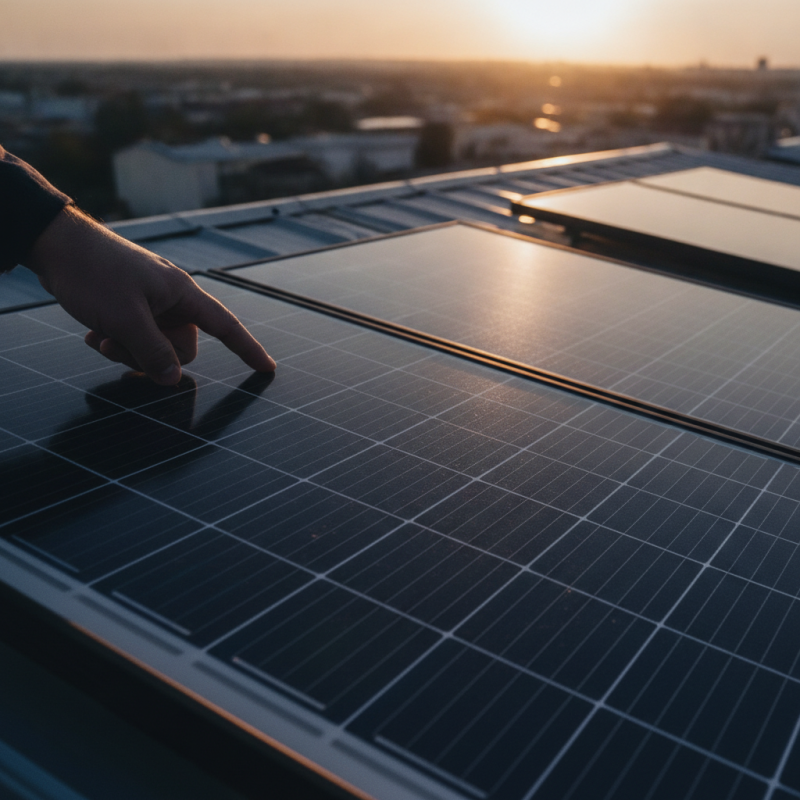
Solar modules play a crucial role in harnessing renewable energy. They convert sunlight into electricity, reducing reliance on fossil fuels. According to the International Renewable Energy Agency (IRENA), solar energy could supply over 30% of global electricity by 2050. This promising outlook stems from technological advancements and the decreasing costs of solar modules.
However, there are challenges to consider. The degradation rate of solar panels refers to the loss of efficiency over time. Most high-quality solar modules experience a degradation rate around 0.5% to 1% annually. This means that after 25 years, the efficiency can drop to approximately 80-90%. A study by the National Renewable Energy Laboratory (NREL) highlights that environmental factors, such as temperature and humidity, can significantly influence these rates.
While the potential for solar energy is immense, concerns arise about sustainability and long-term impact. Not all solar panels are created equal; quality varies widely. Consumers must weigh cost against performance longevity. Proper maintenance and monitoring can mitigate some degradation effects. Making informed decisions becomes essential for maximizing the benefits of solar energy.
There are several types of solar modules available today, each featuring unique characteristics.
Monocrystalline solar panels are known for their high efficiency and space-saving design.
They consist of single-crystal silicon, making them durable and long-lasting. These modules usually perform well in low-light conditions,
but their initial cost can be higher.
Polycrystalline panels, on the other hand, are made from multiple silicon crystals.
They are typically less efficient than monocrystalline options but are also cheaper to produce. Polycrystalline modules can occupy more space
due to their lower efficiency. Many choose them for larger installations where space is not a major concern.
Thin-film solar panels present a different approach. They are lightweight and flexible,
which can be an advantage in certain applications. However, they often have lower efficiency compared to crystalline modules.
The degradation rate of each type varies too, and this aspect requires careful consideration.
Understanding these differences helps consumers make informed choices while reflecting on their energy needs.
Understanding the degradation rates of solar modules is crucial for optimizing their performance. Degradation refers to the gradual loss of efficiency over time. On average, solar panels lose about 0.5% to 1% of their efficiency each year. This means that after two decades, many panels might operate at around 80% of their original capacity.
Different factors influence degradation rates, including environmental conditions and the quality of materials used. For instance, extreme heat can accelerate wear and tear. On the other hand, panels installed in shaded or humid locations may degrade at a different rate. Even high-quality panels can experience unexpected drops in performance due to manufacturing defects.
Monitoring performance is essential for maintaining efficiency. It's important to conduct regular inspections and maintenance. This helps identify any significant performance drops early. Users should stay informed about their solar panels' health. Researching and understanding different modules can lead to better long-term investments. Each installation is unique, requiring careful consideration of various factors influencing degradation.
When considering solar modules, understanding degradation rates is essential. Various factors influence how solar panels lose efficiency over time. Temperature, humidity, and exposure to ultraviolet light all contribute significantly. Panels in hot climates may degrade faster due to higher heat exposure.
Installation quality also plays a crucial role. Poorly installed panels can face physical stress, leading to quicker deterioration. Regular maintenance can mitigate some risks. Checking for dirt, grime, or shading on the panels can help maintain their performance.
Tips: Use a professional for installation. Regular inspections can identify potential issues early. Investing in high-quality materials can lead to better long-term performance. Remember, the right environment can enhance lifespan, while neglect can reduce efficiency. Taking proactive measures ensures your solar investment remains reliable.
When analyzing solar modules, it's essential to consider their performance over time. Degradation rates play a critical role in this assessment. Leading brands showcase various efficiencies and durability levels. Research indicates that some modules may lose around 0.5% to 1% of efficiency each year. This degradation can significantly impact energy production over their lifespan.
Comparative studies of top solar brands reveal nuanced differences. Some modules exhibit rapid efficiency loss in harsh climates, while others perform consistently. Factors like temperature resistance and moisture protection influence long-term reliability. Solar performance can also vary based on installation and maintenance practices, underscoring the importance of proper setup.
Not all high-efficiency panels guarantee longevity. Users often find that while initial performance is promising, real-world conditions reveal potential pitfalls. Over-reliance on brand reputation alone can lead to disappointment. It is crucial to delve into data and user experiences to draw meaningful comparisons. Such analysis fosters informed decisions when investing in solar technology for sustainable energy generation.
| Solar Module Type | Average Efficiency (%) | Performance Warranty (Years) | Degradation Rate (% per year) | Temperature Coefficient (mV/°C) |
|---|---|---|---|---|
| Monocrystalline | 20.5 | 25 | 0.5 | -0.38 |
| Polycrystalline | 18.5 | 25 | 0.6 | -0.40 |
| Bifacial | 21.0 | 30 | 0.4 | -0.35 |
| Thin-film | 13.0 | 20 | 0.7 | -0.50 |
: There are three main types: monocrystalline, polycrystalline, and thin-film panels.
They are highly efficient and space-saving, made from single-crystal silicon.
They are cheaper to produce and don't require as much efficiency, which is fine for larger spaces.
They are lightweight and flexible, but generally have lower efficiency than crystalline modules.
Degradation refers to the gradual loss of efficiency over time, typically about 0.5% to 1% annually.
Environmental factors like extreme heat and poor material quality can speed up wear and tear.
Regular inspections and maintenance are crucial for identifying performance drops early.
Users might face unexpected drops in performance, impacting their energy generation.
Yes, understanding degradation rates and environmental conditions is essential for effective decision-making.
Absolutely, informed choices lead to better long-term investments, reflecting on energy needs.
In recent years, solar energy has emerged as a pivotal component in the transition to renewable energy sources, with solar modules playing a crucial role in harnessing this power. Understanding what the degradation rate of modern solar modules is essential for consumers and investors alike, as it directly impacts the longevity and efficiency of solar installations.
The degradation rate refers to the decline in performance of solar modules over time, influenced by various factors such as environmental conditions and manufacturing quality. There are different types of solar modules, each with unique features that affect their durability and performance under varying circumstances. By analyzing these degradation rates, potential users can make informed decisions about which solar technology best meets their needs, ensuring optimal performance throughout the lifespan of their energy systems.

Ran Solar