2026 Best Guide to Wiring Solar Panels in Series vs Parallel?

Time:2026-06-13 Author:Liam
0%

Wiring solar panels effectively is crucial for maximizing energy output. With the growing popularity of renewable energy, many homeowners and builders need clear guidance. Industry expert John Doe emphasizes, "Understanding how to wire solar panels in series vs parallel can greatly impact your solar system's efficiency." This highlights the importance of mastering different wiring techniques.

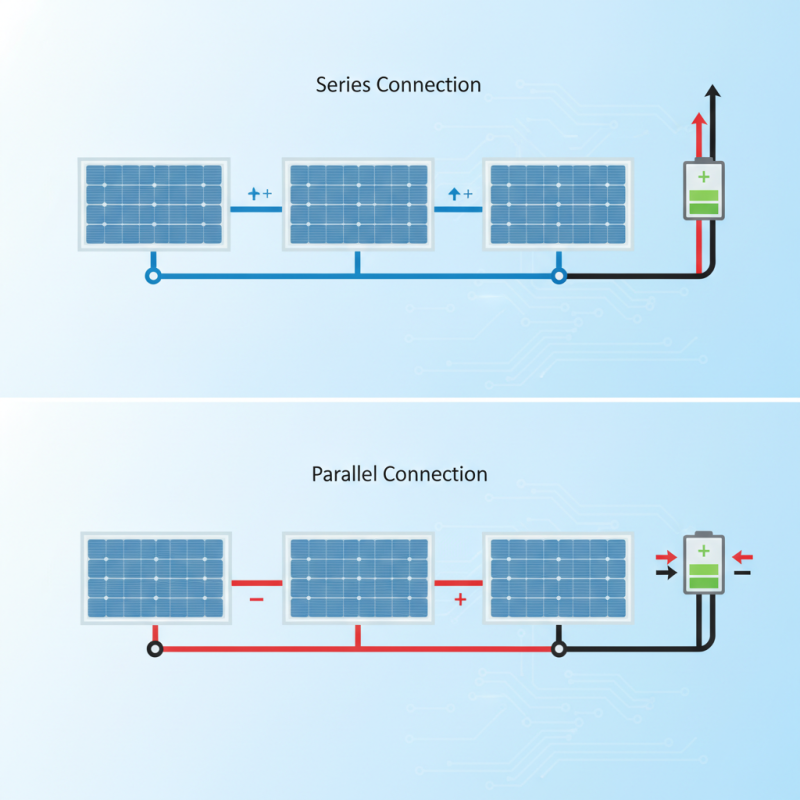
When deciding how to wire solar panels in series vs parallel, it’s essential to weigh the pros and cons. In series connection, the voltage increases while current remains the same. Conversely, parallel connection boosts current, keeping the voltage steady. Each method has unique benefits, and choosing the right one for your setup is vital.

Take the time to assess your space, energy needs, and equipment capabilities. Misunderstanding these basics can lead to inefficiencies. Research thoroughly and consider consulting professionals. Even experienced DIY enthusiasts can overlook critical details. Remember, proper wiring is key to harnessing the full potential of solar energy.
2026 Best Guide to Wiring Solar Panels in Series vs Parallel?

Understanding Solar Panel Wiring: Series vs Parallel

Wiring solar panels requires careful consideration of the layout. Understanding the difference between series and parallel configurations is essential for any solar installation. In a series connection, panels add their voltages. This can be beneficial for maximizing voltage when using long cable runs. However, if one panel underperforms, it affects the entire string. For instance, shading on one panel can reduce system output significantly.

Parallel wiring offers increased current. Each panel operates independently, which means shading or damage to one does not impact the others. This can be particularly useful in partially shaded installations or varied sunlight conditions. However, this configuration necessitates thicker wires to handle higher currents, which might increase costs.

Choosing between these two methods can be overwhelming. Think about your environment and energy needs. Evaluate potential shading from trees or buildings. Consider the complexity of wiring, as some setups may require additional components like fuses or circuit breakers. Each option has its pros and cons. Understanding these nuances can lead to more efficient solar energy production.

Advantages of Wiring Solar Panels in Series

Wiring solar panels in series offers several advantages, especially for homeowners and businesses looking to maximize energy output. When solar panels are wired in series, the voltage adds up while the current stays the same. This configuration can simplify system design and reduce the cost of wiring. According to the National Renewable Energy Laboratory, systems wired in series are often more efficient in small installations where space is limited.

One key benefit of series wiring is improved performance in low-light conditions. When panels are connected in series, one panel’s lower output does not necessarily affect the other panels. This is particularly important in shaded environments, where some panels may receive less sunlight. Professional reports indicate that series configurations can enhance overall energy production by up to 20% under specific conditions.

Tip: Always consider the voltage rating of your inverter when wiring panels in series. Ensure that the combined voltage of your panels does not exceed the inverter’s capacity.

Tip: Regularly check connections to avoid issues such as voltage drops. Poor connections can lead to inefficiencies and increase maintenance costs.

Overall, while series wiring has its merits, it may not be ideal for every situation. It's essential to weigh the pros and cons based on individual project needs.

Advantages of Wiring Solar Panels in Parallel

Wiring solar panels in parallel offers several advantages that are worth considering. When panels are connected in parallel, each panel operates independently. This means that if one panel is shaded or underperforming, the others can still generate electricity effectively. This independence can lead to more reliable overall performance in various weather conditions.

Another significant benefit is the increase in total current. Parallel wiring results in higher amperage, which is ideal for systems designed to run larger loads. For instance, if you need to power heavy appliances, parallel connections can deliver the required power without strain. This is crucial when maximizing efficiency in residential systems.

However, there are reflections needed on wiring configurations. A common misconception is that parallel wiring will always yield better results. In some cases, it may not be optimal for every installation. Considerations like space for wiring and potential voltage drops must be evaluated. That said, parallel wiring remains a popular choice for many installations due to its practical advantages.

2026 Best Guide to Wiring Solar Panels in Series vs Parallel

Aspect Wiring in Series Wiring in Parallel
Voltage Output Increases with each panel added Remains the same as a single panel
Current Output Same as a single panel Increases with each panel added
System Complexity Less wiring needed, easier setup More wiring and connections required
Cost Generally lower due to simpler installation Potentially higher due to more materials
Shade Tolerance Performance diminishes if one panel is shaded Better performance under partial shading
Use Case Ideal for high voltage applications Best for maximizing current output in low voltage systems

Key Factors to Consider When Choosing Wiring Method

When selecting between wiring solar panels in series or parallel, understanding the key factors is essential. The performance of your solar panel system hinges on how you connect these panels. Wiring in series increases voltage. This can be beneficial if you have a longer distance to the inverter. However, if one panel is shaded or damaged, the entire string's output decreases. This variability creates a challenge for many users.

On the other hand, parallel wiring keeps the voltage constant while increasing the current. This method is more forgiving if one panel underperforms. In shaded conditions, the other panels can still function efficiently. However, be cautious about the implications of higher current. This may require thicker cables and specific fuses to prevent overheating.

Temperature also plays a critical role. Higher temperatures can reduce panel performance, affecting series configurations more drastically. Always account for local climate when choosing a wiring method. Evaluating these factors is vital. There isn't a one-size-fits-all solution. Each setup requires careful analysis and consideration of your specific needs. A deeper understanding of these elements can lead to effective solar energy utilization.

Common Mistakes to Avoid in Solar Panel Wiring

When wiring solar panels, common mistakes can lead to significant issues. One frequent error is mismatching panel configurations. Using panels of different sizes or types can cause inefficiencies. This can be especially problematic in series connections, where all panels must be of similar output. If one panel underperforms, it drags down the entire system’s efficiency.

Another mistake occurs during the wiring process itself. Inadequate connections can lead to high resistance, resulting in overheating and energy loss. It's crucial to ensure secure and proper connections between wires. Neglecting to use appropriate gauges can also result in performance failure. Always consider the total current and voltage to select the right materials.

Additionally, many overlook the importance of proper grounding. Failing to ground the system can pose safety hazards and increase the risk of electrical shock. Regular inspections can help identify potential issues before they escalate. Learning from these mistakes helps improve overall solar panel performance and longevity.

2026 Wiring Solar Panels in Series vs Parallel

This chart illustrates the differences in voltage and current between wiring solar panels in series and parallel configurations. Series wiring increases voltage, while parallel wiring increases current.

FAQS

: What are the advantages of wiring solar panels in series?

: Wiring in series improves voltage and can simplify design. This can reduce wiring costs as well.

How does series wiring perform in low-light conditions?

Series wiring allows one panel’s low output to not affect others, boosting overall energy by 20%.

What is a crucial tip when wiring panels in series?

Always check your inverter's voltage rating. Ensure it's compatible with the combined voltage of the panels.

Why is wiring solar panels in parallel beneficial?

Parallel wiring lets each panel operate independently, enhancing reliability in various weather conditions.

What does parallel wiring increase in a solar system?

It results in higher amperage, helping to power larger appliances without strain on the system.

What mistakes should be avoided when wiring solar panels?

Mismatching panel types can cause inefficiencies, particularly in series connections.

Why are secure connections important in solar panel wiring?

Inadequate connections can lead to high resistance, overheating, and energy loss.

How can improper gauges affect solar panel performance?

Using the wrong gauge may lead to performance failures; the right one is essential for current and voltage.

What safety measure should never be overlooked in solar installations?

Proper grounding is crucial to prevent safety hazards and electrical shock risks.

How can regular inspections benefit a solar system?

They help catch potential issues early, improving overall performance and longevity of the system.

Conclusion

When exploring how to wire solar panels in series vs parallel, it’s essential to understand the fundamental differences between these wiring methods. Wiring solar panels in series involves connecting them end-to-end, which increases the overall voltage while maintaining the same current. This method is beneficial for systems where a higher voltage output is required, making it ideal for long-distance transmission. On the other hand, wiring in parallel connects the panels’ positive terminals together and their negative terminals together, which keeps the voltage constant but increases the current. This approach can enhance system reliability, as the failure of one panel typically won’t affect the rest of the array.

When deciding on the wiring method, several key factors must be considered, including the system's design, the available space, and the desired output. It's crucial to avoid common mistakes, such as mixing different panel types or failing to account for shading, as these can significantly impact performance. Understanding these aspects will guide you in making informed decisions on how to wire solar panels effectively, ensuring optimal energy production for your solar power system.

Liam

Liam

Liam is a dedicated marketing professional with a profound expertise in the industry, where he excels at highlighting the unique advantages of our core products. With a keen understanding of market trends and consumer needs, Liam frequently updates our company’s professional blog, providing......